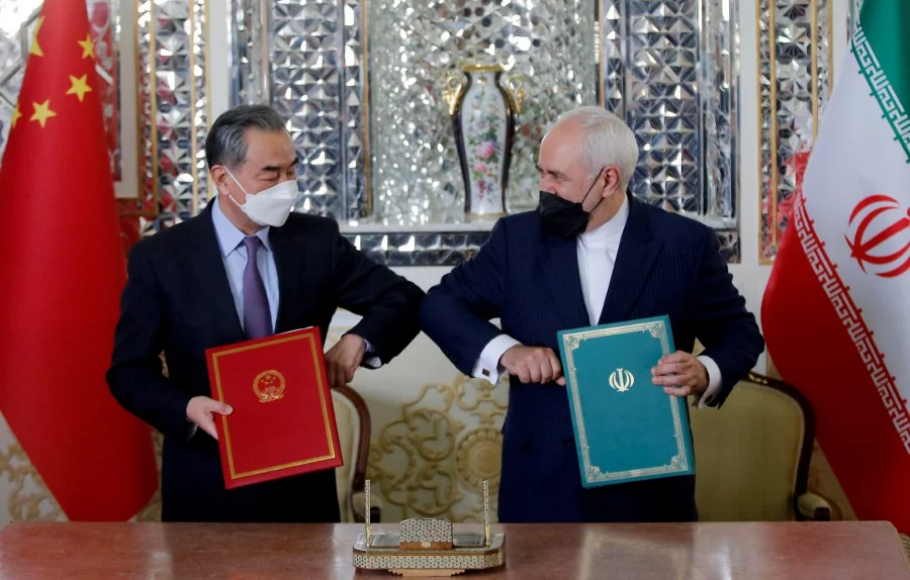
On the 27th of March, China and Iran, both subject to U.S. sanctions, signed a 25-year cooperation agreement on Saturday to strengthen their long-standing economic and political alliance.
The deal which has been in the works for five years covers a range of economic activities. Although details have been scarce, it covers oil and mining, as well as tourism and cultural exchanges. China agreed to invest $400 billion in Iran over 25 years in exchange for a steady supply of oil to fuel its growing economy under an economic and security agreement signed on Saturday. The project aims to significantly expand China’s economic and political influence. It has raised concerns in the United States and has wider implications for the Middle East.
Joint Comprehensive Plan of Action (JCPOA):
In 2015, Iran and several world powers including the United States reached an accord under which Iran agreed to dismantle much of its nuclear program in exchange for billions of dollars worth of sanctions relief. However, in 2018, the United States under Donald Trump departed from the accord. In retaliation, Iran has resumed its nuclear activities. President Joe Biden has pledged that the US will return to the programme if Iran comes back into compliance.
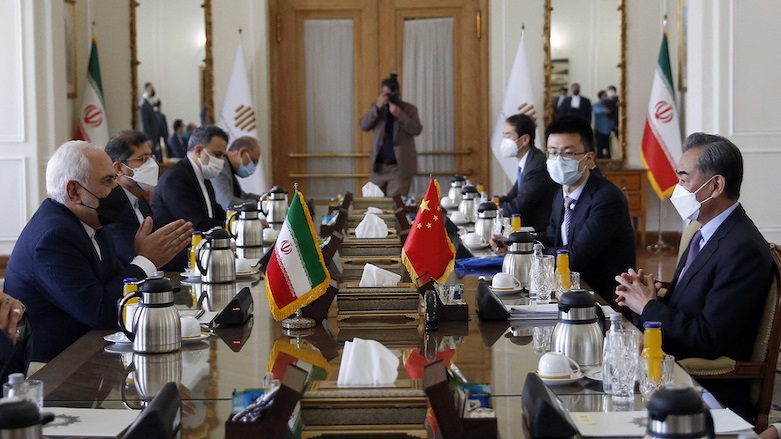
The issue is that Iran wants the sanctions that Trump imposed removed before any negotiations resume. This has been supported by China who demanded that the United States act first to revive the deal it broke by lifting unilateral sanctions that have suffocated the Iranian economy.
How does the Iran-China cooperation agreement relate to the JCPOA?
The cooperation agreement will in essence provide Iran with more flexibility as it attempts to fend off increasing pressure from the U.S. to re-join the nuclear deal.
What are some other concerns that the U.S has?
One concern, as reported by the Telegraph is that the deal will bring Iran into Beijing’s Belt and Road Initiative, a global infrastructure project meant to expand Chinese influence and investments in dozens of nations across the world. The increase of China’s influence in the Middle East could see China becoming the world’s largest economy, a position presently held by the United States.
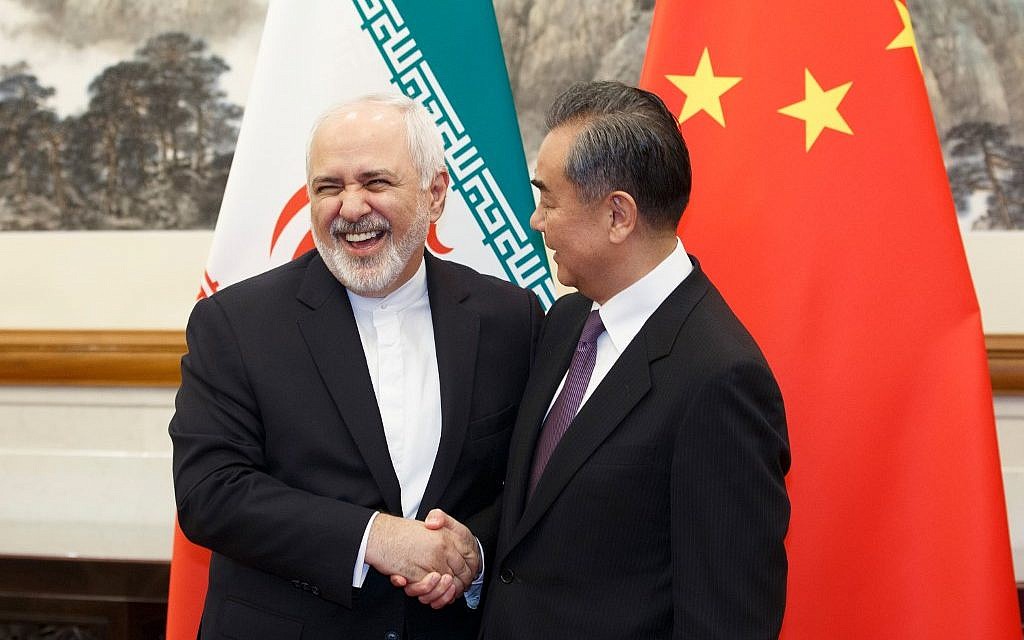
In essence, striking this deal with Iran is a more aggressive approach taken by China than before with regards to extending the Belt and Road Initiative. The Silk Road has been a major land trading artery that dates from as far back as the 2nd century BCE and the Belt and Road initiative will only serve to strengthen China’s economic position.
China views the U.S as a nation in irreversible decline and sees itself as the rising power of the 21st Century because of its increasing hold over the Middle East which is in part due to the Belt and Road Initiative.
Iran-Saudi Arabia Proxy War:
Another possible reason behind the deal stems from the Iran-Saudi Arabia Proxy War or Cold War in Yemen. The conflict between the two regions is waged on multiple levels over geopolitical, economic, and sectarian influence in pursuit of regional hegemony. In the past, China has adopted an economic diplomatic approach, building strong economic ties with all regional actors. However, the cooperation agreement could now provide Iran with both a greater economic advantage and an allyship with China.

The cooperation agreement, as is often the case with trade deals, is about far more than oil and investment. It appears to be a clear strategic mission to vie for allyship between the two nations who have found themselves in positions in which allyship has become a necessity. The cooperation agreement is multifaceted and advantageous to both nations.
To keep up with the latest commercial news, click on commercial to get your daily dose.
Donate & Support