By Saffiyah Khalique
Your commercial awareness dose
The Washington Post revealed in an article published today details of how one of Apple’s long-time iPhone suppliers has been accused of using forced labour from Uyghur Muslims in the Xinjiang region of China. The Post received documents from the Tech Transparency Project, which detailed Apple’s supplier Lens Technology has been using forced labour. The lens is also a supplier to other companies, including Amazon and Tesla. They are one of five companies that Apple work with that have been linked to using alleged forced labour from the Xinjiang region.
A spokesperson for Apple, Josh Rosenstock said: “Apple has a zero-tolerance for forced labour.” He goes on to confirm that the company has confirmed that there has been no labour received from Uyghur workers in Xinjiang and ensured that the company has not been using suppliers that had been using Uyghur labour.
Xinjiang is an incredibly important region for international supply of goods, with the region producing large amounts of raw materials such as cotton, coal and sugar. Coca-Cola has been linked to sourcing their sugar from Xinjiang and Nike has been documented as having Uyghur workers in a factory that makes Nike shoes.
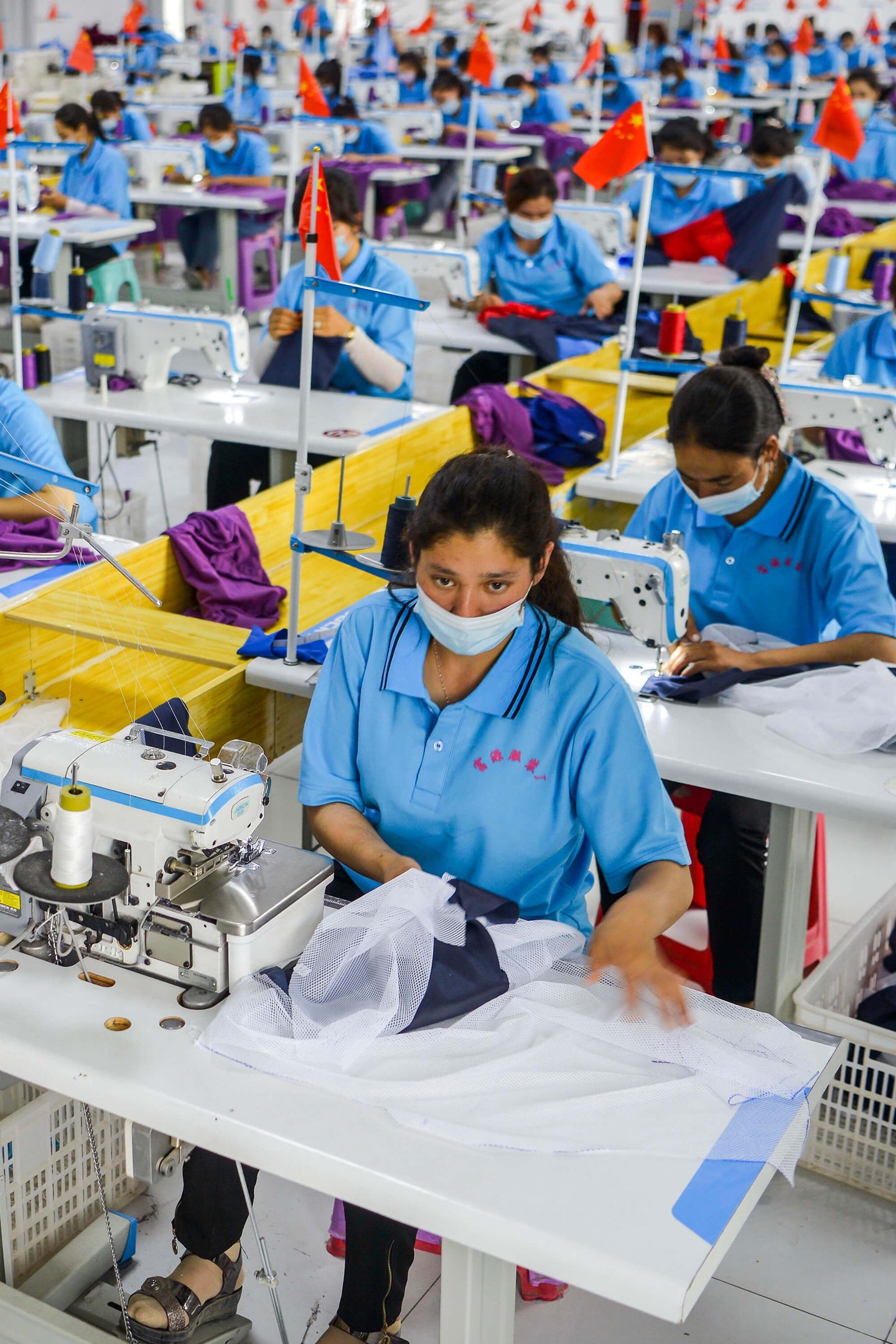
Apple’s involvement in the Uyghur conflict does not stop here. The US Congress began deliberating over the Uyghur Forced Labor Prevention Act (UFLPA), which would ban the imports of products from Xinjiang, where Muslim Uyghurs have been allegedly subjected to forced labour. The aim of this is to take a tougher stance on the human rights abuses and has gained bipartisan support in Congress passing through the House of Representatives in September.
Both Coca-Cola and Nike released statements saying that they had investigated allegations of forced labour. Coca-Cola stated they used third-party auditors to monitor its suppliers, however, the extent to these investigations should be questioned due to the high control the Chinese government exercise in the Xinjiang region.
Apple has stated that they believe the Uyghur Forced Labor Prevention Act (UFLPA) should become law. However, alongside other multinational companies, such as Nike and Coca-Cola, they have been lobbying Congress in attempts to weaken the bill. They argue that while they condemn the human rights abuses, the Act’s requirements could cause chaos among supply chains that are deeply embedded in China.
Apple has been found to have paid off outside firms to lobby on another Uyghur bill, the Uyghur Forced Labor Disclosure Act of 2020. As well as disclosure forms showing that the company has paid Fierce Government Relations, a firm led by former staff aides to Republican politicians. They paid them $90,000 to lobby on Xinjiang-related issues. Nike and Coca-Cola have also spent mass amounts of money on lobbying. Nike paid outside firms over $400,000 this year to lobby a various number of issues, including Uyghur legislation. Similarly, Coca-Cola spent $4.68 million in the first three quarters of 2020 on in-house lobbying.
Despite these claims by the companies, in the Australian Strategic Policy Institute’s March report, they found that Apple and Nike were among 82 companies that potentially benefitted from the abusive labour programs in Xinjiang, whether this was directly or indirectly. Overall, despite the resistance from multinationals, it is expected that the UFLPA will pass through the Senate. It may not happen during the Trump administration, but it is expected to pass during the new Biden administration.
To keep up to date with the latest commercial news, click on commercial awareness to get your daily dose.
Donate & Support