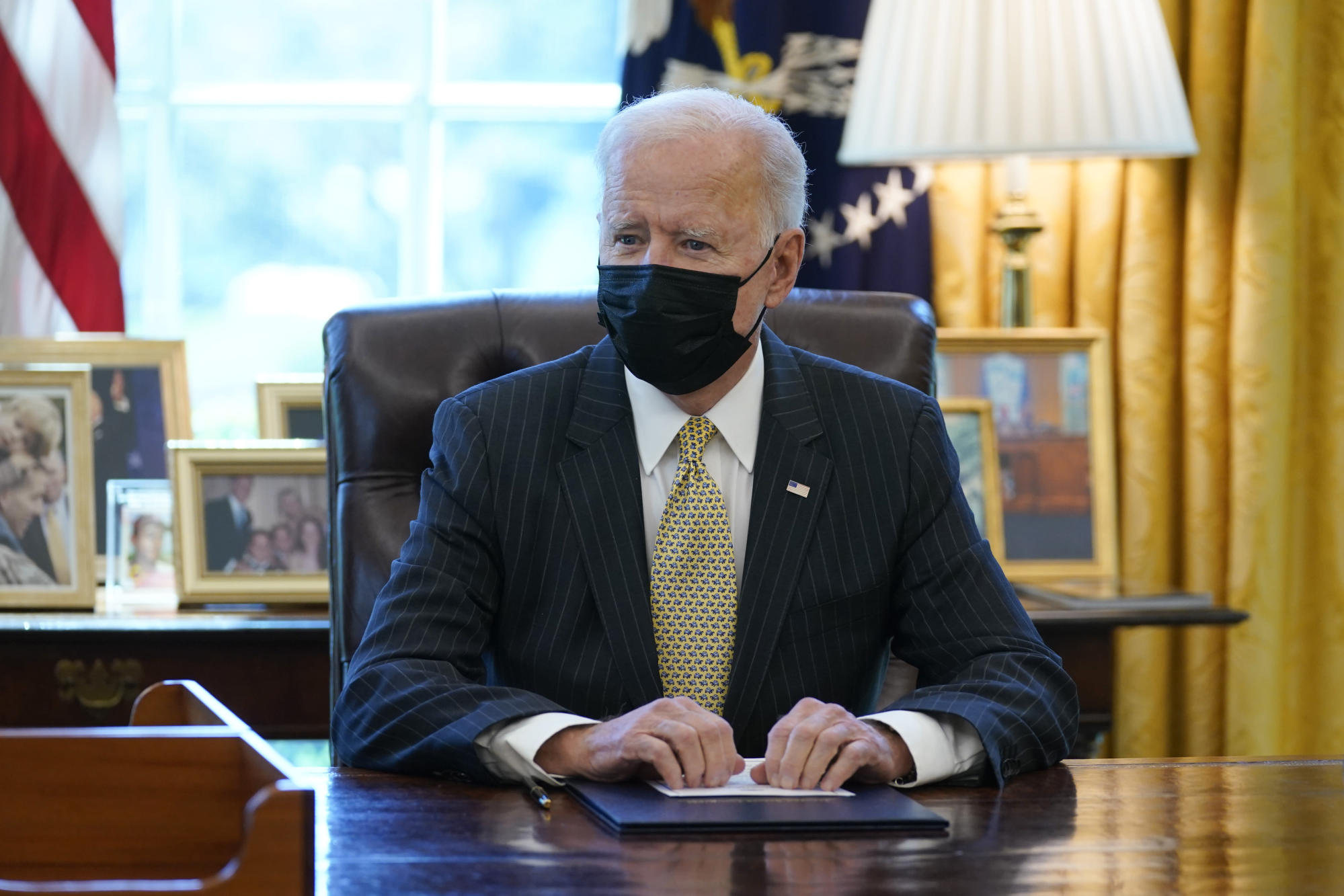
Since 31st March, the Biden Administration has announced two plans to revolutionize American infrastructure, planning to spend $2 trillion over the next ten years in public investment. To finance the American Jobs Plan and the Made In America Plan, Biden and the Democrats intend to hike corporate taxation on US multinational firms, to make up for Donald Trump’s 2017 “mates rates” tax cut which saw corporate taxation plunge to just 1% of GDP (compared to the average of 3% GDP contribution multinational firms make in other developed countries).
To finance the plans, the Biden Administration intends to raise the corporate income tax rate to 28%, whilst also imposing a 15% minimum tax on the book income of large companies with high profits. The plan also seeks to end the “race to the bottom” – where firms seek lower tax rates internationally – ‘by encouraging global adoption of robust minimum taxes’ and ending competition between domestic and foreign playing fields. During Trump’s administration, corporate tax dropped to just 1% of GDP, down from the 2% contribution made between 2000-2017.
The US Treasury estimates, however, that only 45 companies would be eligible to pay Biden’s minimum book-tax liability, as this would only apply to firms making more than $2bn in income (not the $100 million stated on the campaign trail).
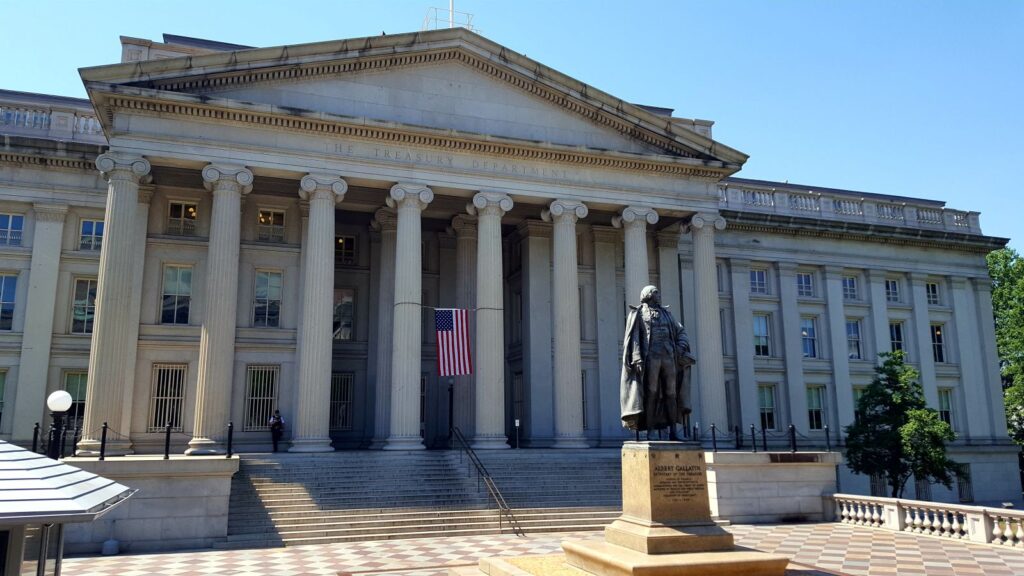
The plans come at a time when U.S. multinational corporations are among some of the most profitable in the world, whilst recuperating less corporate tax revenues than other economically advanced nations. The Made In America report states that multinational firms only contribute a shocking 7.8% of federal income tax. The plans seek to eliminate incentives for offshore investment but it is questionable just how likely the adoption of a global minimum corporate tax will be.
Tax experts worry that the policies, despite the potential long-term infrastructure benefits to the nation, will make the United States less attractive for multinational firms. Joshua Bolton, CEO of Business Roundtable, said in a statement, that ‘[t]he Administration’s proposed global minimum corporate tax rate, however, threatens to subject the U.S. to a major competitive disadvantage.’
The U.S. Chamber of Commerce also opposed the general tax increases, arguing this ‘will slow the economic recovery and make the U.S. less competitive globally – the exact opposite of the goals of the infrastructure plan.’
In an interesting move, Jeff Bezos said that Amazon supports the tax hike, following hot on the heels of Biden’s criticism of Amazon in Pennsylvania last week for not paying federal taxes in 2018. Bezos stated that ‘[w]e recognize this investment will require concessions from all sides—both on the specifics of what’s included as well as how it gets paid for (we’re supportive of a rise in the corporate tax rate).
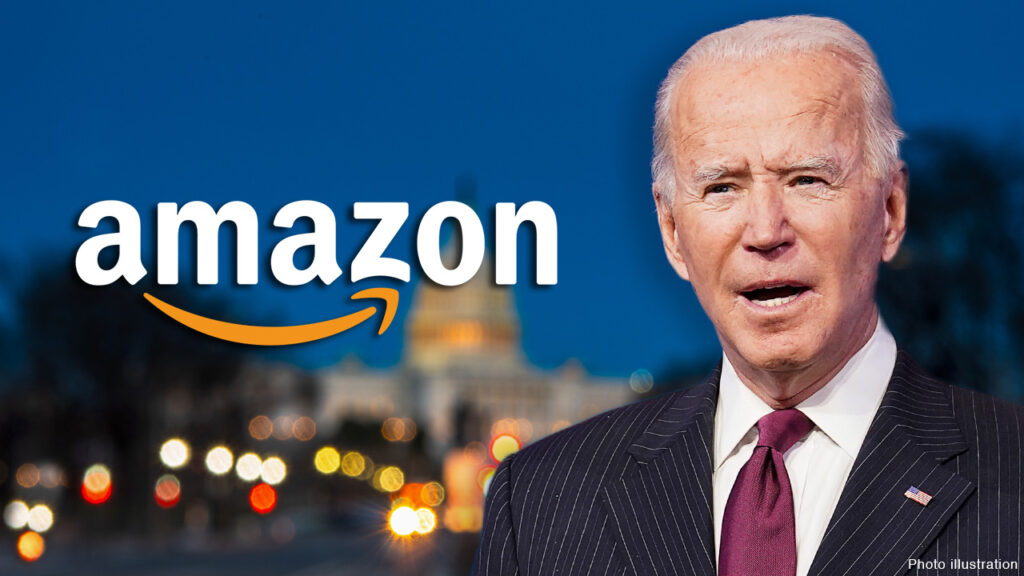
We look forward to Congress and the Administration coming together to find the right, balanced solution that maintains or enhances U.S. competitiveness.’
The Made In America plan also seeks to replace subsidies on fossil fuels with incentives for clean energy production. The report estimates that eliminating these subsidies would increase government tax receipts to $35 bn over the next ten years, whilst setting the nation on the path to 100% carbon pollution-free electricity by 2035.
The plans are set to affect the technology and pharmaceutical sectors the most, as most taxable assets in these areas are things like intellectual property, intangible assets which allow firms to organise their international operations most profitably, unlike firms that have physical assets that can’t as easily be moved to countries with lower tax rates.
On Wednesday, Biden indicated his openness to alternative methods of financing the infrastructure plans, including a lower corporate tax rate than the proposed 28% given the response from corporate sectors and republicans. He said: ‘building the infrastructure of tomorrow requires major investments today. As I said, last week, I’m open to ideas about how to pay for this plan. With one exception, I will not impose any tax increases on people making less than $400,000 a year. If others have ideas out there on how to pay for this investment without violating that rule they should come forward.’

The bill is likely to face significant difficulty passing through the Senate, especially as certain Democrats have indicated their opposition to any plan which does not reimpose the deduction for state and local taxes (SALT) paid by individuals. Biden hopes to gain bipartisan support for the plan, but Republicans have consistently made plain their opposition to increases in corporate tax. The congressional road ahead certainly seems long.
To keep up with the latest commercial news, click on commercial to get your daily dose.
Donate & Support
1 comment
Nice blog here! Additionally your website a lot up very fast!
What web host are you using? Can I get your associate hyperlink to your host?
I want my website loaded up as fast as yours lol
Have a look at my web site: google