At the end of March, US President Joe Biden announced a massive $2.3 trillion plan to rebuild America’s infrastructure over the next eight years. At the plan’s launch in Pittsburgh, Biden characterized his infrastructure plan as being transformational and a “once-in-a-generation investment in America unlike anything we’ve seen or done since we built the interstate highway system and the space race decades ago”.
Biden’s infrastructure plan is certainly far-reaching: covering investments in renewing traditional infrastructure like bridges, roads and rail links, commitments on broadband internet coverage and commitments on environmental legislation to transition America from fossil fuels to greener alternatives.
Implementation of the plan is designed to add a significant boost to the economy as the effects of Biden’s recently passed $1.9 trillion coronavirus relief package start to fade.
Biden’s infrastructure plan faced opposition before it was even announced with Mitch McConnell, the Republican Senate Minority Leader telling Fox News that “They’re now cooking up yet another package they’re going to call infrastructure, but it’s going to be a Trojan horse that includes massive tax increases on Americans.
McConnell was right to anticipate tax increases because the proposed infrastructure bill contains proposals that the US Administration estimates will raise $2.5 trillion over the next fifteen years, with some analysts putting the estimate even higher.
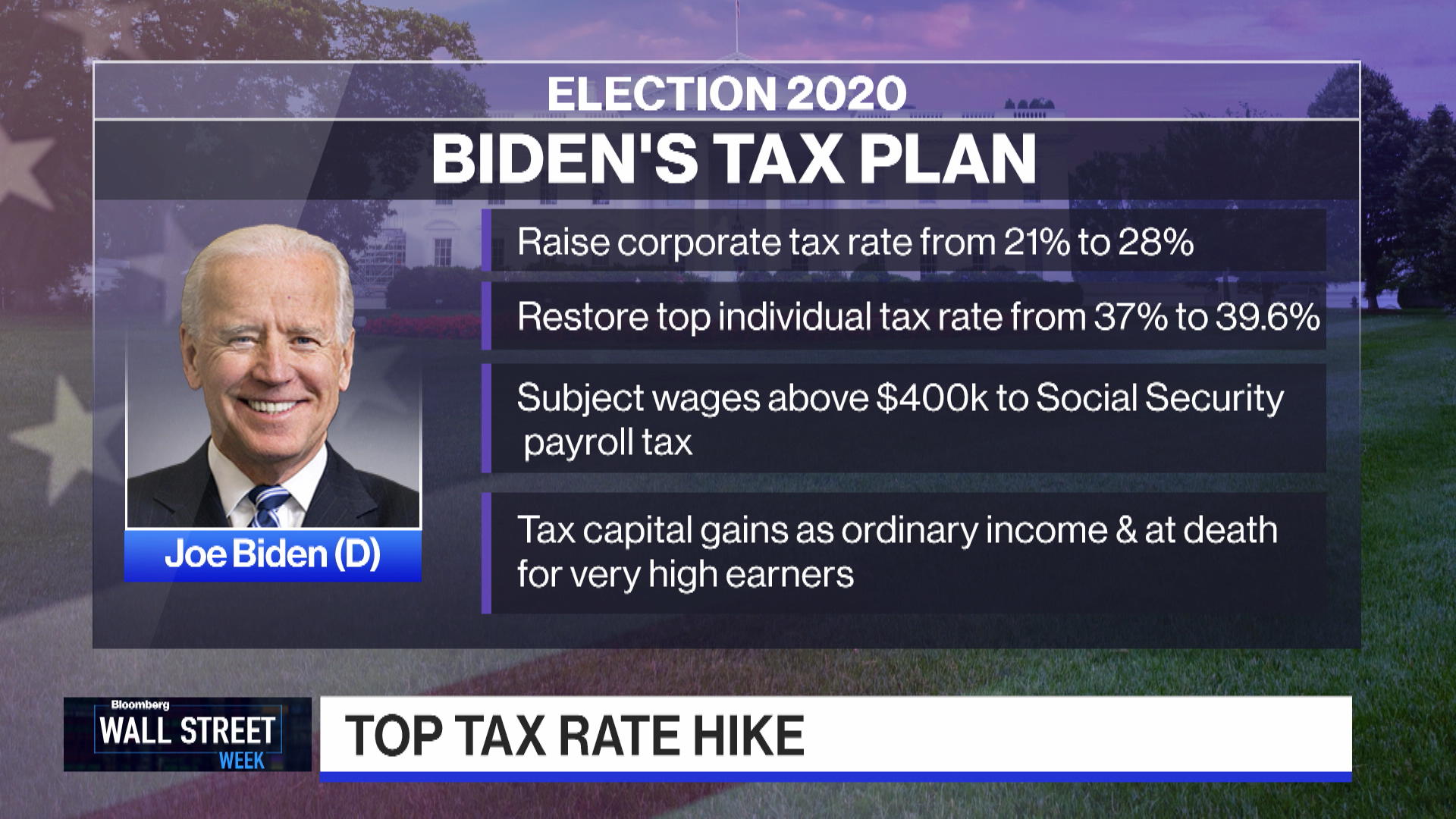
Individuals would escape relatively unscathed from Biden’s tax proposals, with Biden honouring his campaign promises to not increase taxes on Americans earning less than $400,000 a year. Those earnings will lose their Donald Trump mandated tax rate reduction from 39.6% to 37% and will return to the levels of the George W. Bush era.
Thresholds for Estate Tax that were raised by Donald Trump would be slashed in half by Biden, requiring more Americans to pay tax on inheritances, but again at a level that would only affect the wealthy.
By far the most significant tax changes and increases planned by Biden impact corporations, particularly global multinational corporations that manage to reduce or avoid taxes by shifting operations to low tax jurisdictions.
Amazon, for example, paid no federal income taxes in 2018 and continues to pay taxes at a very low rate, despite earning record profits during the pandemic. Biden aims to ensure that American companies contribute tax dollars to rebuild and renew the country’s infrastructure.
As a starting point, Biden is proposing to hike the corporate tax rate to 28% from 21%. This would roll back half of the Trump Administration’s cut from the 35% it had been since the early 1990s. There was opposition to this from both political parties. Predictably Republicans argued against any tax increase, arguing it would make US corporations less competitive internationally.
Opposition from Democrats was more nuanced, with some Democrats arguing that the proposed infrastructure bill did not go far enough. More significantly, Senator Joe Manchin, a critical Democrat swing senator said that he would only be prepared to support a corporate tax rate increase to 25%. Biden needs every Democrat senator to pass the infrastructure bill making some compromise appear inevitable.
Biden did get some support from one of the most affected corporations. Amazon CEO, Jeff Bezos, said he supported investing in US infrastructure and a hike in the corporate tax rate to help pay for it. He didn’t however comment on other proposals of Biden’s tax plans that specifically target the Amazons of this world, nor did he say what level of corporate tax rate he would be prepared to support.

While commentary on Biden’s plans for corporate taxation tends to focus on the tax rate, the other proposals could be more significant. These include imposing a strict new minimum tax on large corporations of 15% on “book income”, which is the profit reported to shareholders, strengthen global minimum tax initiatives introduced by the Trump administration and make it harder for US corporations to shield profits in low tax jurisdictions.
This is an ambitious objective that will require global cooperation, in sharp contrast to countries using their corporate tax frameworks competitively to attract foreign investment.
To keep up with the latest commercial news, click on commercial to get your daily dose.
Donate & Support