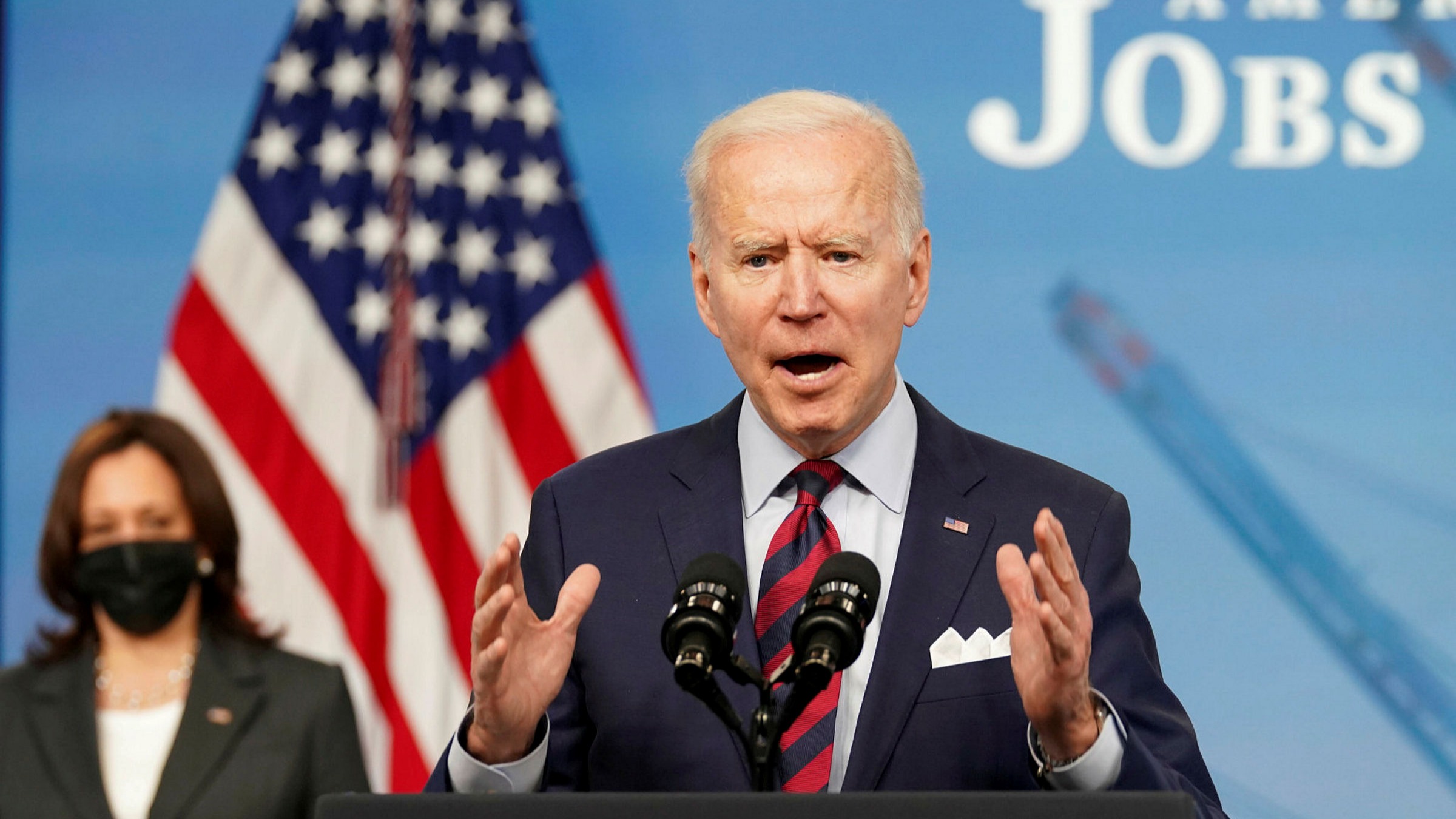
The tax plan put forward by Joe Biden is seen as a dramatic shift from years of the US prioritizing the tax sovereignty of nations. The US is finally ready to take the first step towards the reformation of taxation of multinational companies. Let’s take a look at why the US had a sudden change of heart.
What’s the Problem?
The problem is ‘shifted’ revenue. Countries around the world lose out on an estimated $100 billion per year in tax revenue through the ‘base erosion and profit shifting’ manoeuvres. According to the Tax Justice Network, the sums lost to exchequers around the world have risen as high as £311bn annually. Not only do companies abuse profit-shifting, the countries race against each other with their tax rates. The average corporate tax rate worldwide fell from 49% in 1985 to 23% in 2019.
The main issue is with the US tech giants – Google, Facebook, etc. The proportion of gross profits they shift into tax havens went from 5-10% in the 1990s to between 25% and 30% today. It got to the point where several countries, including the UK and France, have launched unilateral digital services taxes. As Biden threatened France with sanctions because of their digital tax, it seems like the aim of minimising tax disproportions isn’t the only one.

What Is Biden Proposing?
A global minimum tax establishes a system under which a company will pay a certain percentage of its profits in taxes, regardless of where in the world those profits are being earned.
There are two key strands to Biden’s plan:
- Taxing rights would be granted to a portion of a multinational’s profits based on where its customers reside.
- Governments would be able to set whatever local corporate tax rate they wanted.
The Biden administration suggested that the global minimum be set at 21%, much higher than minimum rates being considered by the OECD.

Is It Likely to Succeed?
For the plan to succeed, there must be domestic and international agreement. Biden has to convince both parties and about 135 countries to work together on the deal. Many details need to be worked out, including an appropriate level for a country’s minimum tax. Different countries have different expectations and, proposed by Biden, 21% is said to be too high. Even if the OECD does reach an agreement, it’s nonbinding — individual countries would then have to figure out whether to enact it.
However, the context is favourable – we’re in the middle of the pandemic, which puts a financial strain on governments and, since the 2007 crisis, taxing multinational companies is gazed upon favourably. In this context, Biden’s plan is seen as a step in the right direction.
Implications
If the plan succeeded and we established the minimum global tax rate on multinational companies, it would have major implications. Even supporters of Biden’s deal can’t shake off the feeling that the US is trying to re-establish itself as the ‘pitcher’ of the economic international policies. The plan is said to be the investment that will reposition the US at the forefront of the global economic stage, ahead of China.

Additionally, tax havens would suffer from the lack of investments. The Republic of Ireland has been attracting US technology companies for years with a simple message: invest here and you will pay just 12.5% tax on your Irish profits.
This made it the most popular European domicile. A global minimum rate of 21% proposed by the US is said to be disastrous for Singapore, given its current corporate tax rate of 17%. However, the Singapore Government indicated it stands ready, focusing on non-tax factors this time.
Conclusion
Biden stepped forward with his new tax proposal, shaking up the world with the vision of tackling tax avoidance and successfully taxing US tech giants. As glamorous as the vision the US is selling is, there are bureaucracy, technical and cooperation issues standing in the way of success.
However, the plan is a step forward and can have a massive impact on tax regulations in the future.
To keep up with the latest commercial news, click on commercial to get your daily dose.
Donate & Support