Introduction
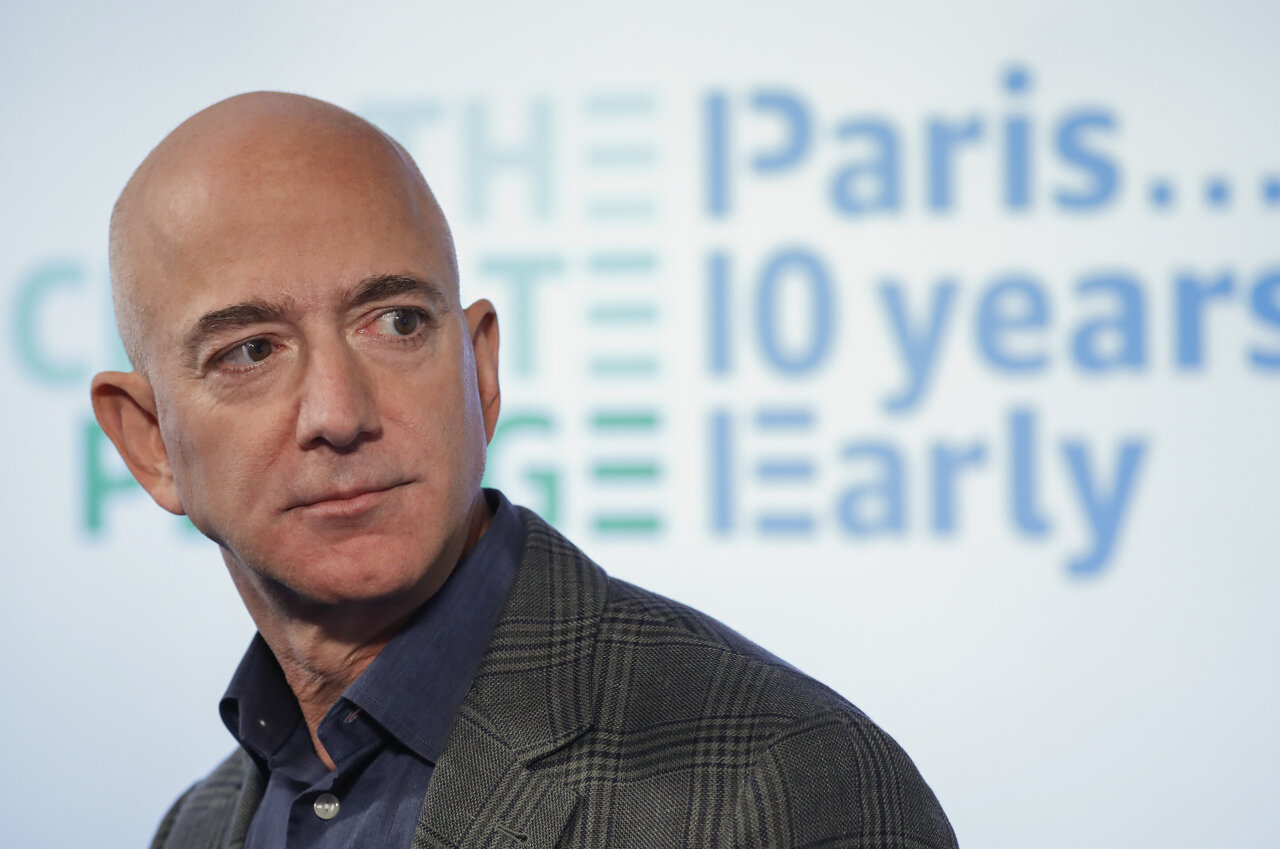
It looks like Richard Branson and Elon Musk are not the only billionaires looking to tour space. Amazon’s own Jeff Bezos is launching his very own space venture called Blue Origin. The launch of its first astronaut crew to space is set to take place on July 20 on the space tourism rocket named New Shepard.
Want a ride?
New Shepard can carry up to six people at a time and is designed to ride past the edge of space. Previous test flights have seen capsules reaching altitudes of over 340,000 feet (over 100 kilometres). The capsule has large windows so passengers can look out to a once in a lifetime view. A journey would see you spend a few minutes in zero gravity before making the return to Earth.
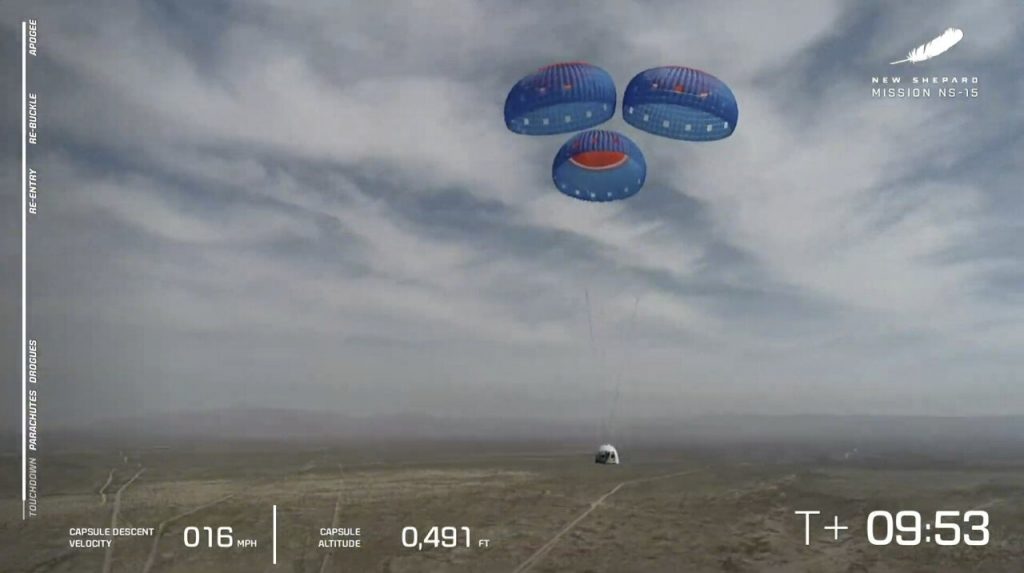
Though the rocket has not flown with passengers yet, both the rocket and capsule have been tested dozens of times sans crew. The rocket launches vertically, with the booster detaching and returning to land at a concrete pad nearby. The capsule’s return is slowed by a set of parachutes, before softly landing in the desert.
Though ticket sales and pricing information have not been opened to the public yet, there was a public auction for a seat on the New Shepard’s very first flight. A seal online auction ran until May 19 with bids running upwards of $50,000. “We’re auctioning off the first seat to benefit our foundation Club for the Future,” a Blue Origin video said.
The Auction
Over 7,600 people from 159 countries registered for the auction for a seat on New Shepard. The winning bid was an incredible $28 million. The winning bidder will join both Bezos and his brother on New Shepard’s first human flight on July 20 of this year. This date also marks the 52nd anniversary of Neil Armstrong and Buzz Aldrin’s moon landing.
At the Beginning
In 2018, NASA selected ten companies to conduct studies and create technologies that would aid with missions to the Moon and Mars. Blue Origin was one of these companies. In 2019, NASA and Blue Origin signed a deal that allowed Blue Origin to use NASA’s test stand as NASA aims to grow the partnership with the ever-growing commercial space industry.
The Flight
On July 20 2021, New Shepard’s 11-minute automated flight will take off in Van Horn, Texas. Bezos, who is set to step down as Amazon’s chief executive officer on July 5, announced his attendance on the flight in an Instagram post: “Ever since I was five years old, I’ve dreamed of travelling to space. On July 20th, I will take that journey with my brother. The greatest adventure, with my best friend.”
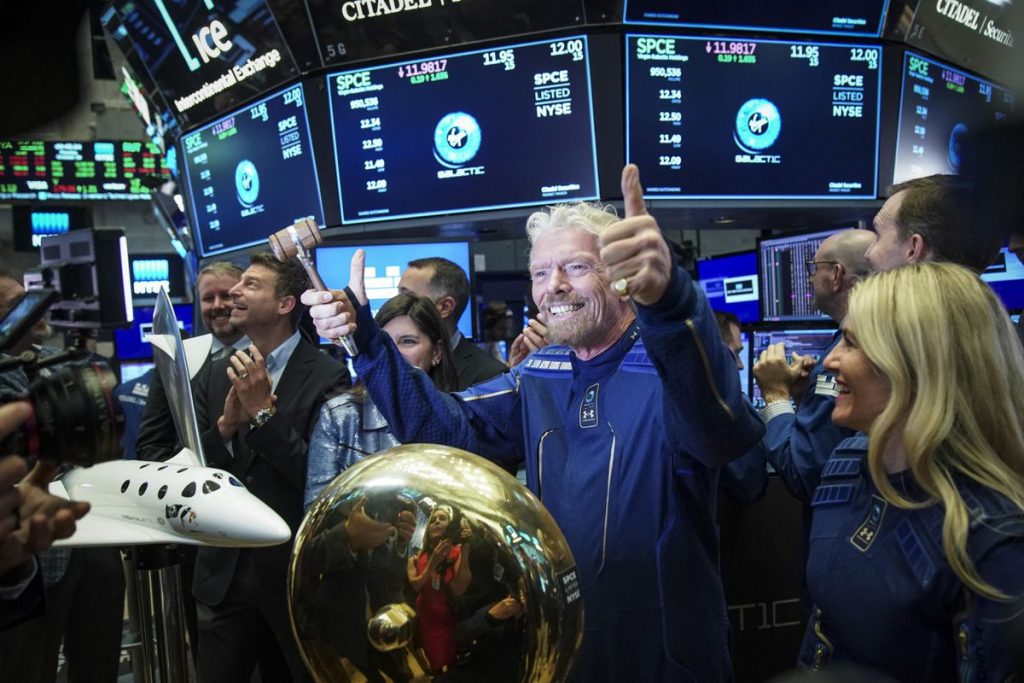
Bezos has increased competition in the space tourism industry, joining his fellow ‘world’s wealthiest in the space race. Blue Origin is vying with Elon Musk’s Space Exploration Technologies and the Richard Branson-backed Virgin Galactic Holdings to offer trips to space, with Branson’s Virgin craft also expected to launch passengers soon after from a space centre near Truth or Consequences in New Mexico.
While Bezos and Branson are competing to take passengers on short trips to the edge of space (suborbital tourism), Musk is planning on sending passengers on further, multi-day flights (orbital tourism).
Compare and Contrast
Both Bezos and Branson have developed rocket-powered spacecraft, however, the companies’ vehicles are unique in all other aspects. New Shepard launches vertically from the ground, but Virgin Galactic’s SpaceShipTwo is released mid-air and returns to Earth in a glide, landing akin to an aircraft. SpaceShipTwo flies with two pilots but New Shepard launches with no pilot.
Branson has flown a test spaceflight with a passenger onboard and still plans on holding three more spaceflight tests, with plans to start flying commercial customers in 2022.
Musk has sent 10 astronauts to the International Space Station on his spacecraft on three missions thus far. Musk is going to continue government flights and plans to launch private astronaut missions with the all-civilian Inspiration4 mission in September.
Though Blue Origin’s auction settled at $28m, a seat on a suborbital spacecraft is much cheaper. Virgin Galactic has sold reservations between $200,000 and $250,000 per ticket and more recently charged the Italian Air Force about $500,000 per ticket for a training spaceflight. Musk’s orbital flights are far more expensive than his suborbital competitors. NASA pays SpaceX around $55m per seat for flight in the International Space Station.
To keep up with the latest commercial news, click on commercial to get your daily dose.
Donate & Support