By Savvas Skordellis
Your commercial awareness dose
British Petroleum, one of the world’s seven supermajor oil and gas companies, is headquartered in London, England, and has operations in more than 70 countries. BP plc., formerly Anglo-Persian Company, was founded by William Knox D’Arcy in 1908. But, in the years to come it expanded beyond the Middle East to Alaska and the depths of the Atlantic Ocean. The company underwent a merger with Amoco in 1998 and acquired ARCO and Burmah Castrol in 2000.
The vertically integrated company deals with oil and gas exploration, refining, distribution, power generation, sales, and marketing as well as trading. Furthermore, the company is interested in the production of renewable energy sources such as wind power, solar energy, and biofuels. Recently the energy giant has been through a bumpy ride since the oil prices hit a record low this year.
The profits fell by more than 50%. Despite COVID hardships, the company is resilient in its efforts to become emission-free by 2050. Soon after Bernard Looney was elected as the CEO, he became a protagonist of carbon emission-free energy. He argued that the world has a carbon budget and one of the seven oil supermajors has to do something about it.
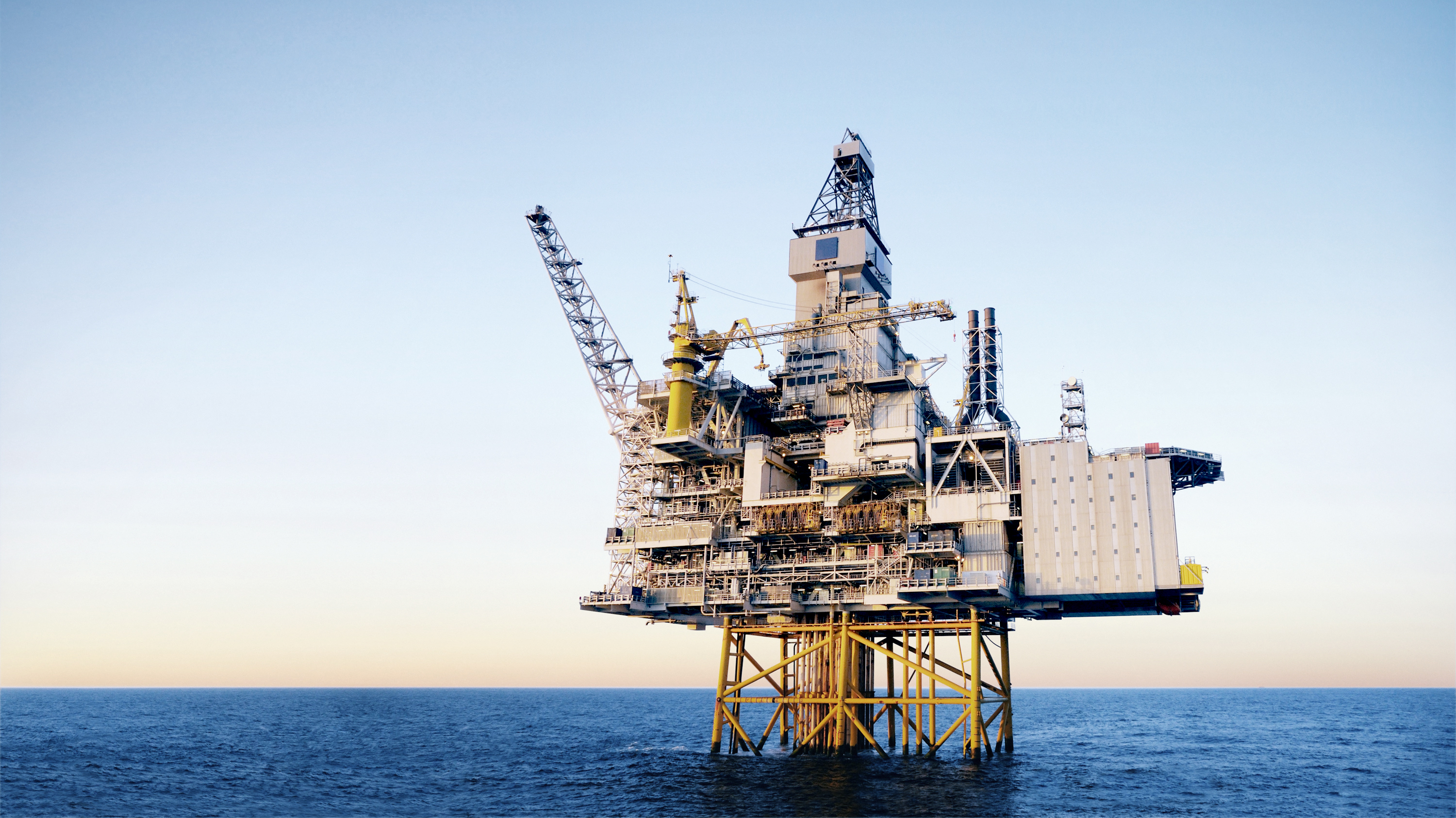
In 2010, BP was also involved in the record-breaking accidental oil spill; Deepwater Horizon Oil spill that had severe health, environmental and economic consequences. The event became the largest criminal resolution in U.S history when the company ended up paying $4.5 billion in penalties and fines. The company has admitted that for over a century, it has been involved in polluting the environment and causing harm to wildlife and marine life, but it has to change. British Petroleum alone is responsible for adding more than 100 times carbon to the environment as compared to the entire city of Houston.
The company is already thinking ‘outside the barrel’ and is committed to switching entirely to renewable energy production by 2050. The CEO calls it; ‘net zero emissions by 2050 declaration.’ Although the company is determined to shift 40% of its energy production to renewable energy by cutting oil and gas many have been skeptical because it is going to be a tall order.
British Petroleum will have to transform all of its operations and current production units and invest heavily in leasing, drilling, and building infrastructure for going green. The one-time costs of setting up will be relatively higher than the cost of oil drilling. The CEO noted that since 2013, the company has reduced exploration costs by two thirds.
Over the next three decades, British Petroleum will be shifting a huge part of the world’s energy infrastructure which will also affect the players in the market. Out of all the major competitors of BP such as ExxonMobil, Valero Energy, Royal Dutch Shell, and Chevron Corporation, none have passed a declaration of becoming a hundred percent greenhouse gas emission-free yet.
However, other local oil utilities like Spain’s Iberdrola and Denmark’s Ørsted have been the earliest in the industry to plunge. The companies have been working towards their goal for many years by reducing greenhouse gas emissions steadily. The world of energy production is going to transform and the buyers are now more informed than ever. The energy industry is only going to get more and more competitive in the future as the world declares war against greenhouse gas emissions.
Donate & Support