By Stefano Sciandra
Your commercial awareness dose
On June 23rd 2016, 52 per cent of British voters, decided to leave the European Union, putting an end on a chapter that had lasted for 43 years. Against all odds, Britain decided to regain its own independence and sovereignty, however, lots of questions were immediately raised on what pushed UK’s voters to choose the “Leave” option, on what deal the country would sign with the EU, and what will be its role in the world as an independent entity. Many on the “Remain” side, advocated for a second referendum, but most MPs eventually rejected this idea, in order to protect democracy and the will of the majority of voters. Brexit meant Brexit, so to speak.
Not exactly “oven-ready”, but nonetheless, on December 24th 2020, Boris Johnson delivered on Brexit as he promised, something that Theresa May, his predecessor, couldn’t do. Theresa May invoked Article 50 in March 2017, the point of no return towards British independence, which formally started Brexit. However, she wasn’t able to secure a deal with the European Union due to lack of support in the House of Commons, mainly in regards to a possible hard border between the British province of Northern Ireland and the Republic of Ireland, an EU member.
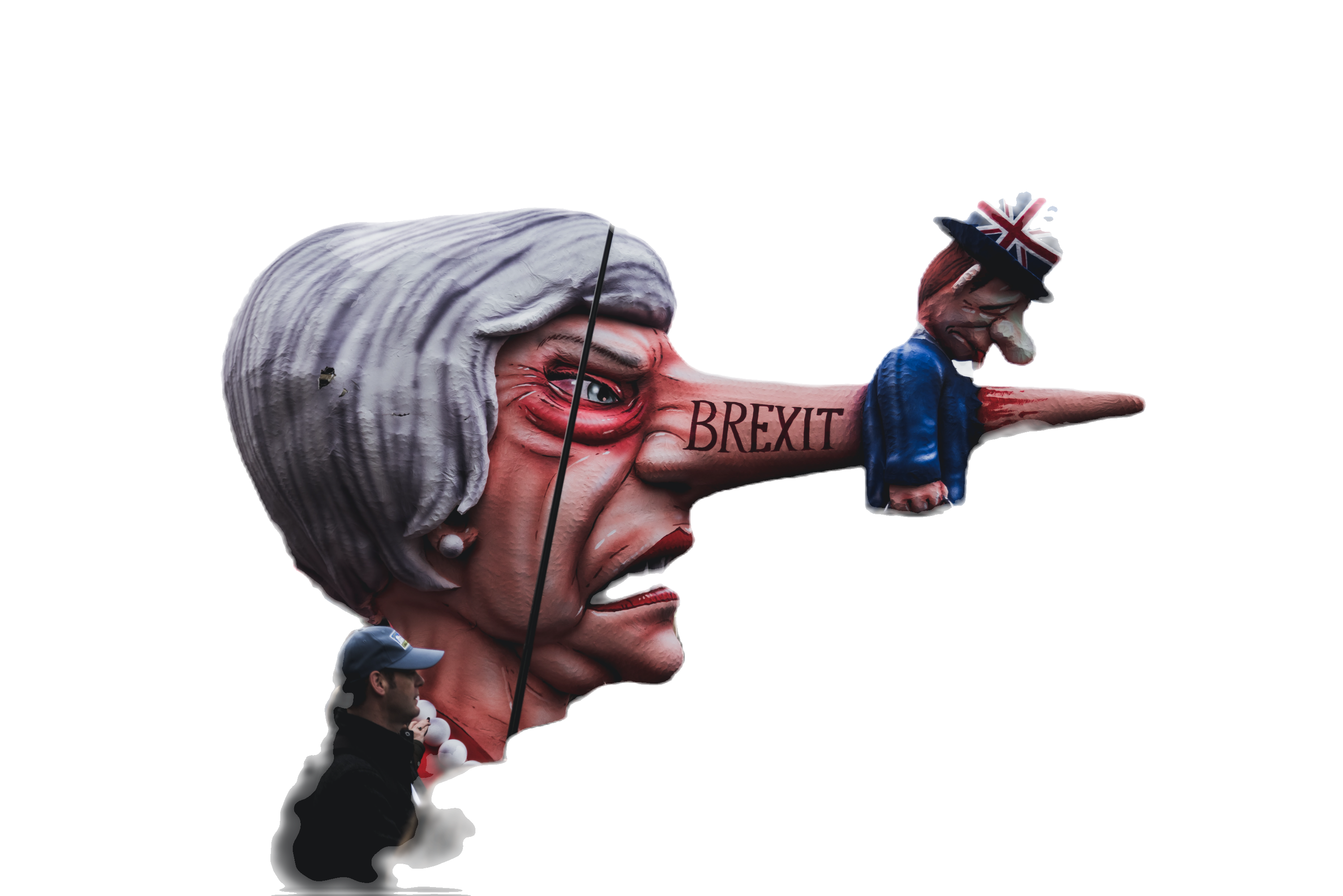
After May’s resignation in 2019, Boris Johnson became Prime Minister. He managed to sign the Withdrawal Agreement, that became effective on January 31st 2020, formally ending the UK’s membership in the EU. However, talks had proved once again difficult and both sides were preparing for a potentially harmful “no-deal” Brexit. Amidst the coronavirus pandemics and many suspended negotiations, the UK and EU finally signed a deal, a relief for many investors, business owners, and ordinary citizens alike.
Half of the $900 billion worth of goods traded between the two sides of the English Channel will remain free from tariffs and quotas, something most Brexiteers have campaigned for all of their political lives. However, starting from January 1st, there will be customs, controls, and extra paperwork, that most likely will result in supply chain disruptions. As already stated in the Withdrawal Agreement, extensive controls will not affect trade between Northern Ireland and the Republic of Ireland. Furthermore, 98 per cent of trade between Great Britain and Northern Ireland will be free of tariffs. NI, however, remains in the single market and it will be subject to some EU regulations.
As mentioned above, a tariff-free trade deal, similar to a Canada-style deal, has been described as the best possible outcome for both sides, yet it seems the slightly bigger winner in the UK. First of all, there will be no level playing field under EU terms, meaning Britain will be able to act against unfair competition using a framework of rules provided by international law and not by the EU itself. Also, in terms of governance, the UK will not be subject to the rule of the European Court of Justice and it will be able to establish its own subsidy regime. In brief, Britain regained control over its own laws and money.
It also regained control over its borders. In fact, free movement will end, EU citizens will be subject to passport checks, there will be no more mutual recognition of professional qualifications, and immigration rules will be tougher for both EU and non-EU citizens. Questions have been raised in regards to financial services, the backbone of the British economy, and the future of the city of London. Boris Johnson has in fact admitted that the deal falls short on this sort of services.
Thankfully, financial services have been granted access to the single market, with temporarily equivalence rights and both sides are in talks to codify a framework for regulatory cooperation.
One last major key element in the deal is fishing. The EU, which initially asked for permanent access to British waters then narrowed it down to 14 years, have been granted access for 5 and a half years. The UK is planning to build a strong fishing industry by 2026, so to be able to withdraw EU’s access to its waters and ultimately keep the total catch.
The UK’s withdrawal from the Erasmus program has been criticised by students and professors alike, however, Boris Johnson has promised to produce a British scheme (the Turing scheme), that will allow students to participate in exchange programs with worldwide top universities.
Europe has lost the 6th largest economy in the world mainly due to differences between the Anglo-Saxon model of capitalism and its own continental one. European capitalism, essentially led by an unelected elite of technocrats, is simply not working in a freedom-loving country like the United Kingdom.
To keep up to date with the latest commercial news, click on commercial awareness to get your daily dose.
Donate & Support