By Rebecca Shields
Your commercial awareness dose
For many small towns, local football teams are a key part of their culture and community. It is because of this that news actors Ryan Reynolds and Rob McElhenney have bought Wrexham Association Football Club came as a shock to many fans of the sport. However, celebrities investing in ownership shares of football clubs is a rapidly growing trend and with the potential to make significant income from football documentaries, the future revenue for lower league teams could be set to dramatically change.
Wrexham A.F.C is a Welsh football team currently competing in the fifth tier, known as the National League. They are the third oldest football team in the world and are based at the Racehorse Stadium (the oldest international stadium in the world). As of 2011, they have been supporter-owned, due to the club fans raising more than £100,000 in less than a day to save the club from closing. This unique history provides an interesting narrative for a documentary.
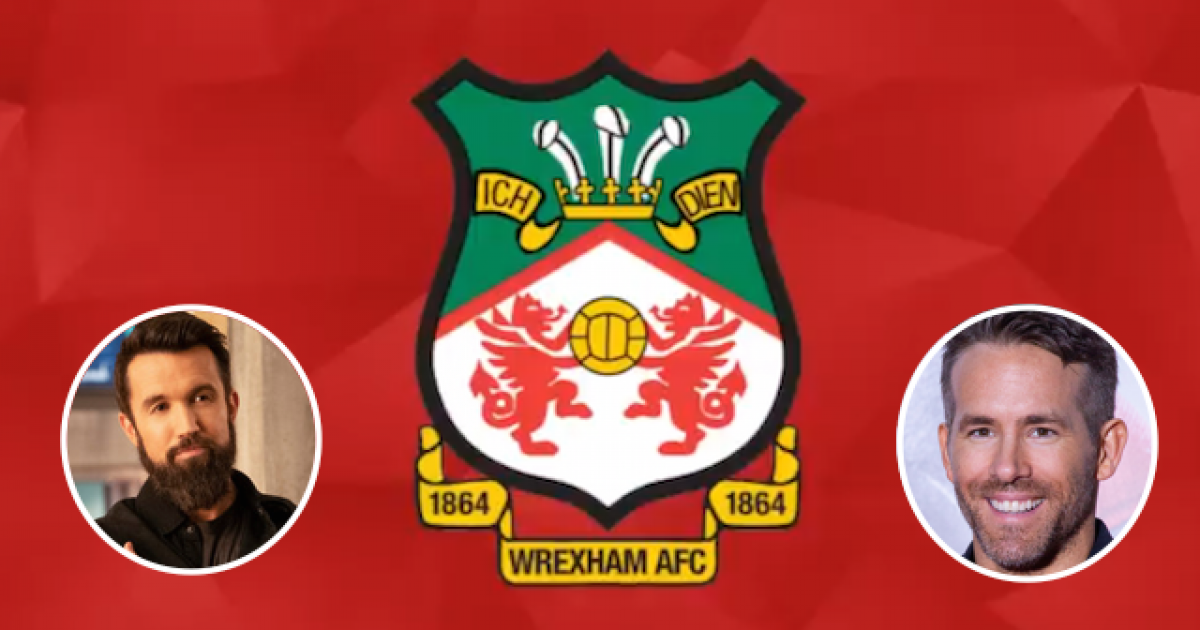
It seems this opinion is reflected by its new owners, Reynolds and McElhenney. The two actors began discussions with fans over the summer defining their bid for ownership. It would not be a simple takeover for them as they needed to receive over 75% of trust members support in a vote pertaining to their purchase. They achieved this, with over 99% of trust members voting. Out of the 2,000 trust members, 1,809 voted their approval, 26 voted against and 9 abstained. With 98% of the trust members voting in support, this allowed the actors to become the new owners of Wrexham A.F.C.
Economically it is a smart move to purchase Wrexham A.F.C. as they are fan-owned, the two actors have not had to pay anything to purchase it and instead have pledged to invest £2million into the club to be used for infrastructure, facilities, and the team. They have also agreed with Wrexham A.F.C. fans that they will not relocate, rename, or rebrand the club. All of this will be broadcast in the confirmed upcoming documentary about the takeover.
There are huge income opportunities for Wrexham A.F.C through the sale of broadcast rights for any documentaries or streaming content about the team. Streaming giants Netflix and Amazon Prime Video typically pay around £300,000 an hour for documentaries. If Reynolds and McElhenney were to produce a typical 8-part docu-series they would double the club’s annual revenue to a total of £2.4million. This will be a very tempting route for the new owners and club to take as it would help reduce the current £300,000 loss of revenue the club is predicting for this year. It would also earn back the actors initial investment.
Documentary deals with streaming services are nothing new. Other more well-known teams such as Sunderland AFC, Manchester City and Tottenham Hotspur have all had their own successful streaming series. Sporting documentaries are a more viable option for streaming services than airing live matches. Sporting documentaries are cheaper to purchase and have a longevity that live football matches do not have. The biggest risk for all concerned is whether the docu-series makes for compelling television. For Wrexham fans this is a huge risk as good TV needs losses as well as wins to create emotion and have the viewers root for the team; this could come at a cost for on-field success, which is a priority for Wrexham fans.
With the increase in celebrities investing in UK football clubs, reduced attendance, and ticket sales due to the global pandemic, this could become the new and more reliable way for lower league football teams to earn income. This could also help the higher leagues too. In the Premier League alone there are 6 teams part-owned by American investors. This is due to the highly lucrative value of broadcast rights.
Currently, broadcast income for Premier League games is valued at more than £3billion per season. Live matches only tend to be viewed once, the real money is in repeated viewing, an area streaming services specialise in.
To keep up to date with the latest commercial news, click on commercial awareness to get your daily dose.
Donate & Support