Introduction
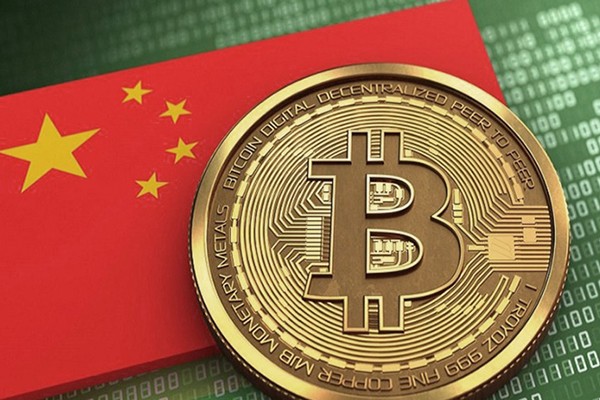
The Talk of digital currency is ubiquitous. The crypto-currencies have been termed by many as the stalwart of the future financial system. According to many experts, digital currency will replace hard currencies shortly. Already digital platforms are being used to make many of our financial transactions. The time is not far away when paper currencies will hardly be used by anyone. No major power in the world had thought of developing a digital currency until China took the initiative. China recently developed a Digital Currency Electronic Payment (DCEP) system that would be backed by the People’s Bank of China. The whole idea behind it is to structure a digital currency that would be controlled by the government.
Difference between Crypto-currencies and Digital Yuan
The Digital Yuan, which is now the official digital currency of China is somewhat different from the orthodox crypto-currencies like Bitcoin, Libra, and newly developed Pi. All these digital currencies like Bitcoin, Libra, and Pi are decentralized, i.e. they are not backed by any central bank or by any government. The aim behind these crypto-currencies was to challenge the monopoly of the central banks and government over the currency. The world financial system was completely under the control of the central banks and the world government system.
The International Banks and governments could impact the financial world by controlling the supply of their respective currencies. The dominance of the Petro-Dollar combo on the world economic system is a clear-cut example that reiterates this stance. This is where China’s new Digital currency ‘the digital yuan’ is somewhat different. It is altogether centralized, that is, it is completely controlled by the People’s Bank of China.
Dollar vs digital currency
One thing must be kept in mind that digital currencies like Bitcoin, Libra (Facebook-backed digital currency), and Pi were introduced to distort and destabilize the dominance of the US dollar on the world economy. However, most of the established crypto-currencies were all United States-based. Keeping in view the US-China conundrum and the Thucydides trap, where they are locked into, this is something that has not been digested easily by China. This is where China brainstormed and came up with a central bank digital currency with their own central bank digital currency: Digital Yuan.
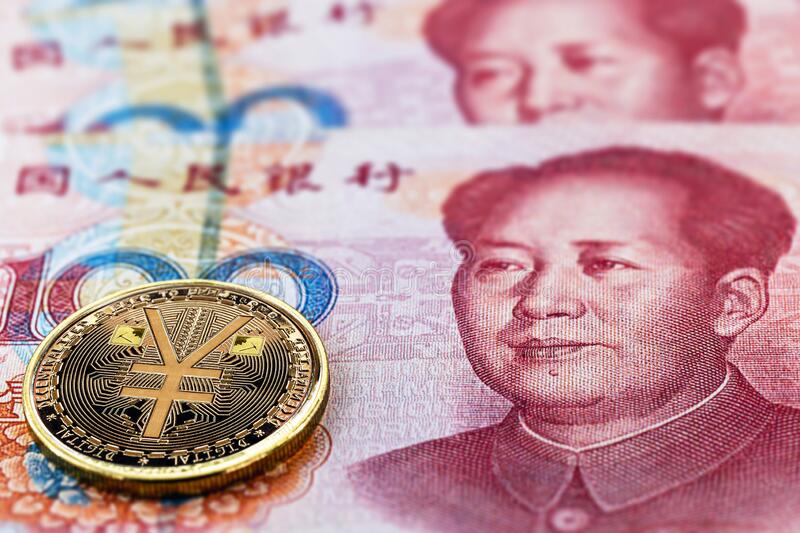
China’s DCEP (Digital Currency Electronic Payment) system is backed by the People’s Bank of China and controlled by the Government of China. The plan is to make it one of the world’s most widely used digital currencies that would challenge the dominance of the US dollar in the world economic system.
The Future of Digital Yuan
China has a population of around 1.4 billion people. It is the second-largest economy in the world. The local population of China is already used to digital transactions as they widely used Alibaba’s Alipay and Tencent’s WeChat pay. The government just needs to regularize the usage of Digital Yuan to make it a success locally in China. The herculean task is to make it a success in the outer world.
The world’s 88.4% of the international settlement transaction is dollar-based whereas China’s renminbi is used only 4% for that purpose. We can assess that it will be a cumbersome task for China. China will have to use its 39 million nationals living outside the country. Also, China shall use its soft power in the outside world to make this digital currency flourish. China will have also to utilize it is BRI (Belt and Road Initiative) and finances and investments associated with it in Digital Yuan.

Conclusion
In a crux, we can say that the future of China’s new digital currency ‘the Digital Yuan’ is star-studded. According to Chandler Guo, the pioneer in crypto-currencies, “One day everyone will use China’s digital currency”. Many experts are predicting that the Digital Yuan will be able to shatter the dominance of the dollar in the future. It is the first digital currency that is being backed by the People’s Bank of China and is being controlled by the government of the world’s second-largest economy, China.
To keep up with the latest commercial news, click on commercial to get your daily dose.
Donate & Support