What is the new plan?
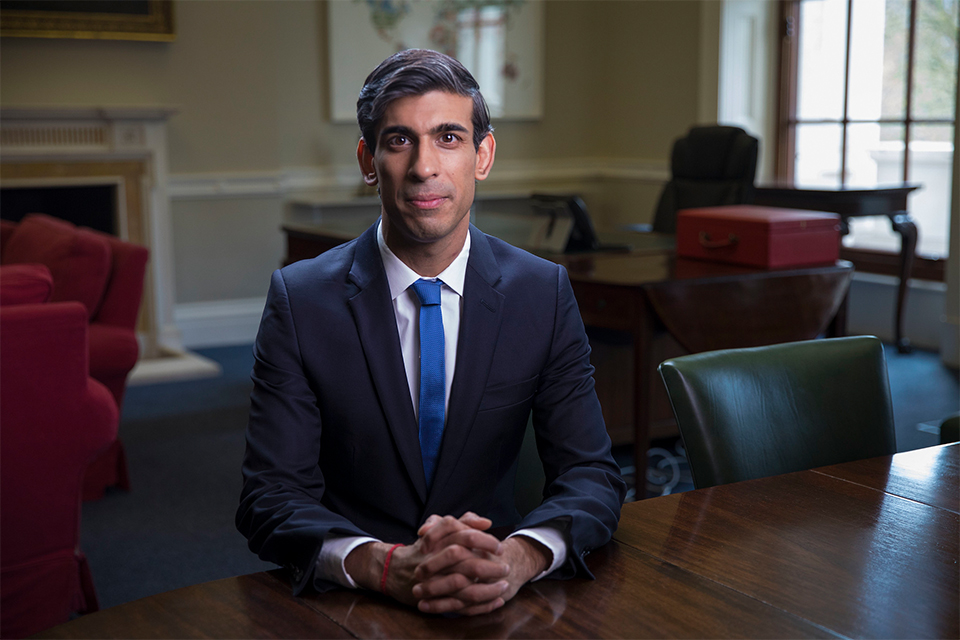
On 3 March 2021 UK Chancellor Rishi Sunak unveiled a new loan scheme aimed at supporting the business that has been affected by the on-going Covid-19 Pandemic. This new scheme, the Recovery Loans Scheme, replaces the previous Bounce Back Loan and Coronavirus Business Interruption Scheme, the latter schemes paid out over £70 billion to British businesses. Sunak’s new scheme will offer loans ranging from £25,000 to £10 million up until the end of 2021. Lenders will be provided an 80% guarantee.
In addition to the loan scheme, a £5 billion restart scheme will provide grants to aid retail, hospitality, and personal care businesses set to reopen from April. Retailers will be eligible for a grant of up to £6,000 per premises. Pubs, restaurants, and salons which are set to open in June, will be eligible for grants of up to £18,000.
How will the UK afford this?
With all the loans and grants set to be claimed, the question arises of how the UK can afford this spending seen as it has been revealed that the 2020-2021 Budget has cost the government over £400 billion. Sunak addressed this during the announcement, revealing that, to pay off the Covid-19 spending, corporation tax will rise from 19% to 25% by 2023 for all UK companies that make annual profits of £250,000 or higher.
However, these companies can wipe out their tax bills by investing in property, plants, and equipment for the next two years. Companies that make less than £50,000 annual profits will retain the 19% corporation tax rate and companies with profits ranging from £50,000 and £250,000 will be taxed a percentage between 19% and 25% depending on their figures. This means that around 1.4 million businesses will remain on their current corporation tax rate.

Besides, a newly introduced stealth income tax rise will raise approximately £20 billion to aid the recovery. The Covid spending has resulted in the largest Budget deficit since 1941, consequently, Sunak affirmed that tax rises were necessary to repay this debt and will take many governments and possibly decades to pay back.
Happy?
Unfortunately, what Sunak considers a fair response to the virus and its effects, his new scheme has been met with much criticism. Critics state that the chancellor has left out important areas that require financial and economic aid during and after the pandemic.
1. Rishi Sunak did not mention the environment
Sunak set up a £1.5bn Green Homes Grant (GHG) last year, which offered money for people to insulate their homes and install low carbon heating such as heat pumps, however the deadline to apply for this is the end of March 2021 and all installations need be made by March 2022. Householders have been unable to contact installers and installers have not been paid due to an unfit system. As only 6% of the budget has been used, the money needs to be rolled over or the plan will be withdrawn as planned at the end of this month. This is a conversation Sunak is ignoring.
2. Reforming the social care sector was ignored
The pandemic has shown us that the elderly are incredibly vulnerable as over 40,000 mostly elderly care residents lost their lives. This has caused uproar and a call for reform in the social care sector. Staff is burnt out and services cannot sustain the changes and setbacks faced over the last year. Support from the chancellor was greatly needed.
3. There was no mention of struggling renters
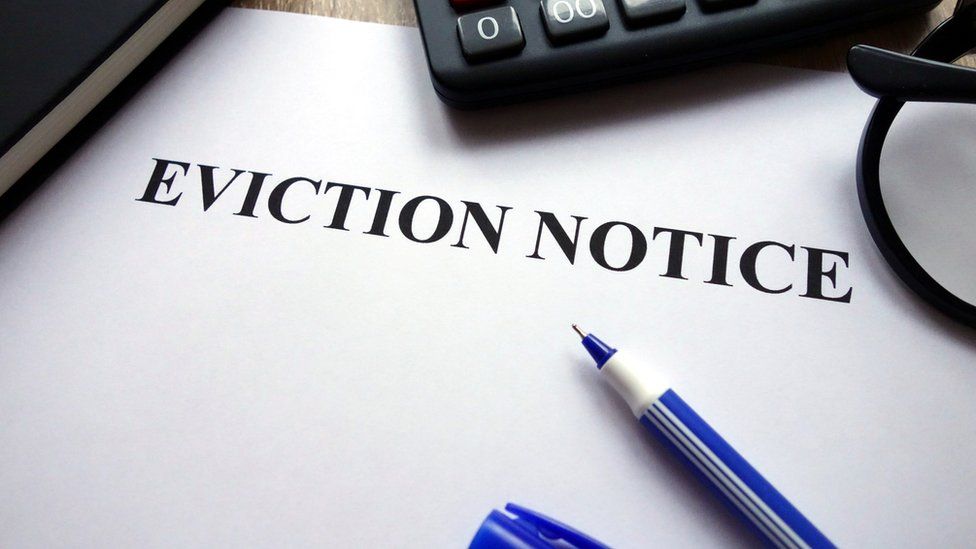
The Budget held no support for struggling renters, remaining silent on supporting the 700,000 and increasing households that are already in rent arrears. Further, there was no mention of extending the Local Housing Allowance, which is used to work out housing benefits and is set to be frozen from April. However, the chancellor did extend the stamp duty holiday for an additional three months and announced a 95% mortgage guarantee scheme for house buyers. Thousands of renters are facing eviction and with an increase in unemployment, the tenant will continue to struggle further and must not be forgotten.
4. There was no planning for costs post-April 2022
The plan to come out of lockdown and the pandemic will be costly, there is no doubt about it. The government has mentioned there may be a need for an annual vaccination program and continued track and trace systems. With the addition of costs of the repercussions of the virus and lockdowns, economists say it is likely the country will face large costs well beyond the next two years. The government has not made clear that they have a plan to deal with Covid-19’s legacy and instead claims there will be a reduction of spending in two years.
Economist Paul Johnson tweeted “Spending plans from 2022 include precisely nothing for dealing with additional pressures arising from the pandemic, of which there are plenty.”

Granted, over the last year everyone, including the government has consistently met unforeseen circumstances and changes to everyday life. However, though the chancellor’s plans will benefit some, others have been left with no solutions to the on-going damaging effects of the pandemic. There are still many who will not benefit from the new scheme and are calling for the government to remember them and their needs.
To keep up with the latest commercial news, click on commercial to get your daily dose.
Donate & Support