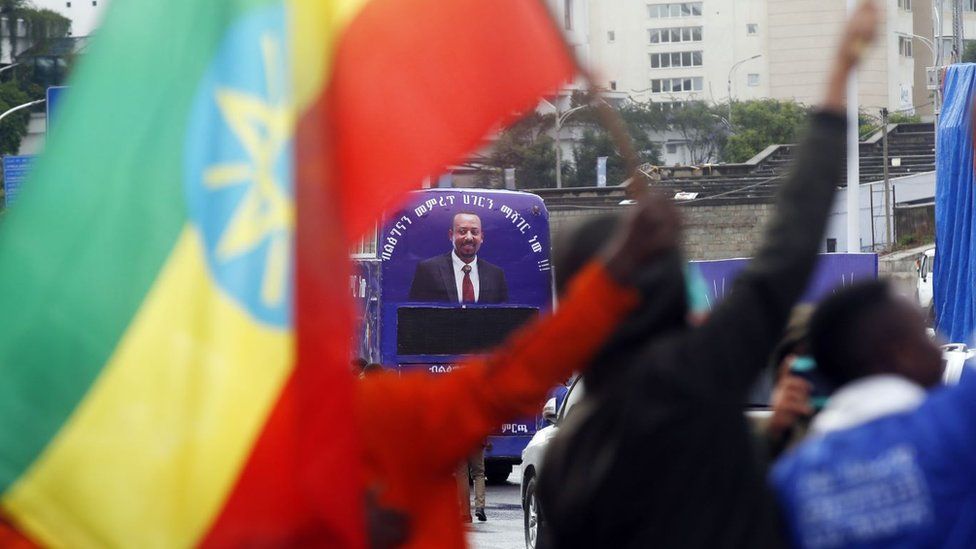
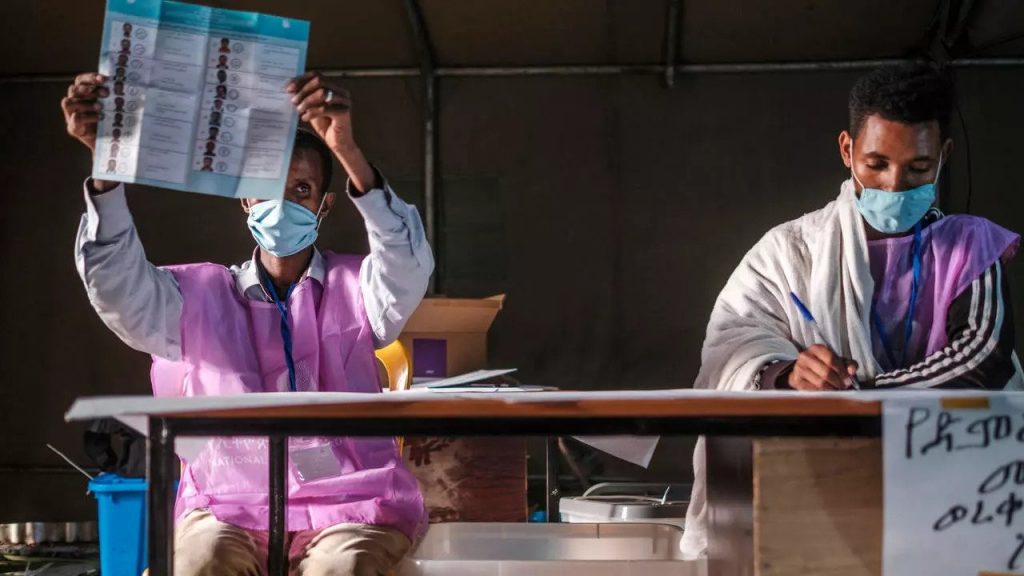
Ethiopian general election to elect officials to the House of Peoples’ Representatives was held on 21 June 2021, as due to the Covid-19 pandemic the election which was supposed to be held on 29 August 2020 was delayed. It is worth noting that it was the first multi-party election in Ethiopia since 2005. Moreover, as stated by the Prime Minister this will be the country’s first free and fair elections after years of repressive laws.
Ethiopians have been voting amid rising tensions and a conflict in the northern Tigray region the army has been fighting a local force since November. This latter is the cause of a humanitarian crisis, indeed, more than 350,000 people are living in famine conditions.
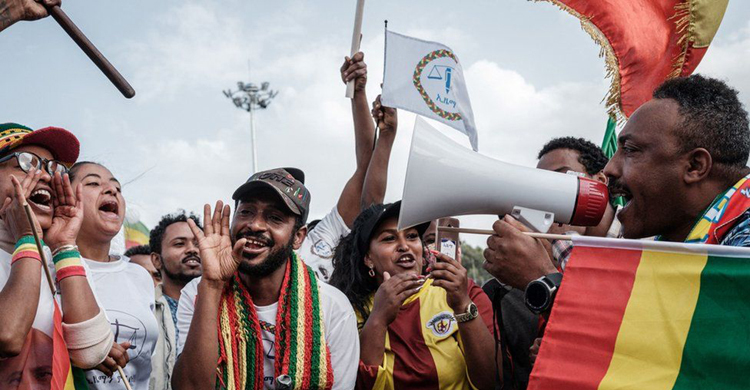
Why are these elections so important?
The actual prime minister, Mr Abiy, came to power in 2018 without facing the electorate as he had been named by the then-ruling coalition. He became prime minister after several protests against the government headed by the Tigray People’s Liberation Front (TPLF) and introduced some reforms. Prime minister Aby Ahmed is hoping to succeed in the elections and demonstrate the success of democracy.
However, the vote shows a chaotic reality. In fact, according to the election board, authorities were not able to hold polls on Monday in four out of ten regions. Not only violent conflicts and logistical problems are delaying the voting but also some opposition parties are seeking to boycott the election over what they define as harassment of their members.
In Sidama, voters went to the polls on Tuesday as there were logistical problems.
Conflict in Tigray
Nevertheless, the prime minister won the Nobel prize in 2019 for making peace with Eritrea, his reputation is on edge since war erupted in Tigray, where he sent the military after accusing regional authorities of attacking the army bases.
Additionally, due to the conflict in this region, there has not been any date set for elections. However, Tigray is not the only region that did not vote Harar and Somali did not vote on June 21. In Harar, there were disputes over voter eligibility against the National Election Board of Ethiopia which were taken to court by the regional government. The court led to a judgment against (NEBE), hence, the electoral process has been delayed.

On the other hand, in the Somali region, the elections have been affected by some irregularities and therefore, the government interrupted the process.
To keep up with the latest commercial news, click on commercial to get your daily dose.
Donate & Support