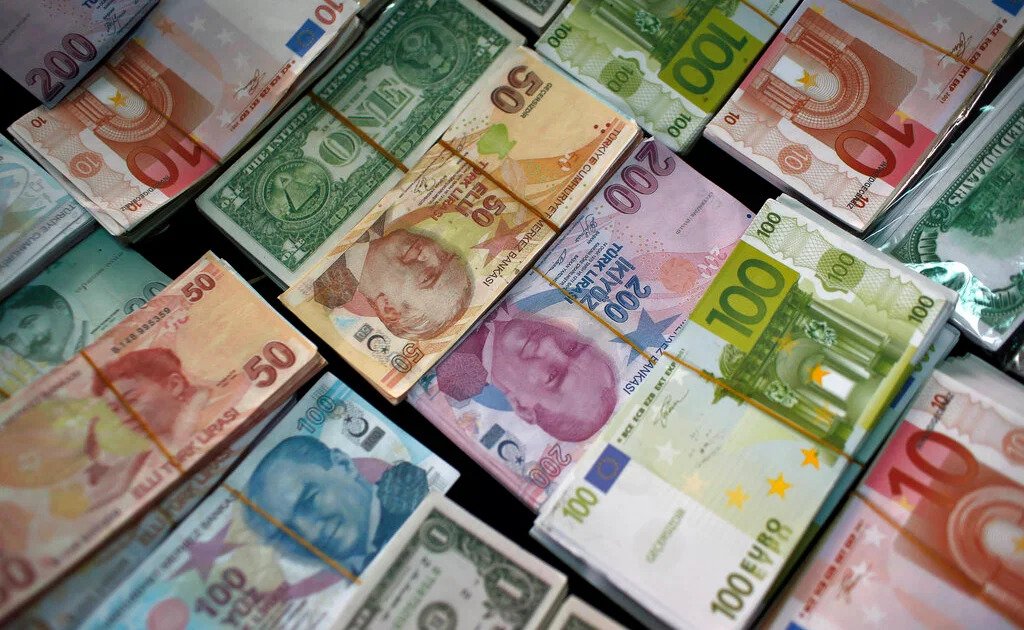
As the country recovers from eighteen months of Covid-19, the economy is finally taking off again and shifting to a post-pandemic world. Economists at the Bank of England and elsewhere had expected that a return to spending would push the UK inflation rate up, with the Bank of England’s expected to figure at about 3% by the end of 2021, up from the current 2.1%, relative to last year. However, it looks as if it might climb higher than that with a more rapid recovery than some predicted.
A higher inflation rate indicates that people are spending more money. If people are more willing to spend money, then the prices of products will go up. And with them, so will profits. If more profits are being made, then wages might rise, or more jobs might be made if the right investments are made. Inflation is not something that can be directly controlled or dictated but is rather the result of the market responding to growth or decline.
The rising rate of inflation is, essentially, down to more people being able to spend again. This is a credit to the strong vaccination effort in the United Kingdom that has seen over thirty-two million adults fully vaccinated – almost half the UK adult population.
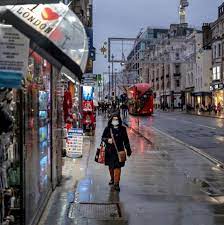
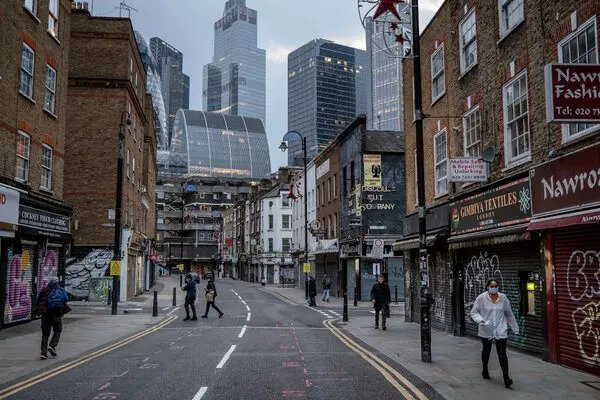
When just six months ago in December 2020 there was the beginning of a frightening second wave of Covid, and with vaccinations only just beginning, there has been a mighty turnaround that is now bearing results economically as well as medically. The economic recovery seems to have taken a “V” shape, with a sharp rise after a slump, rather than a more gradual “U” shape or a rocky “W” shaped recovery.
Another reason for a relatively high amount of spending right now could be down to the low interest rates, which are only at 0.1% right now. What this does is disincentives saving money, because you won’t be accruing much interest on it, and you might as well spend it.
However, with inflation rising, so too might interest. This would be done to keep inflation in check, by making saving money more appealing, it slows down people’s spending so inflation doesn’t rise too high and too quickly and things become too expensive.
However, the tricky downside to higher interest rates would be that debts become more expensive. While before you might’ve had to pay back 100% of a loan + 0.1%, you might have to soon pay back 100% + 2%, and that can add up.
Pandemic spending required a colossal amount of borrowing from the government, totalling £2.2tn, and the government will eventually have to pay that all back. That will be done over many years and will get more expensive as interest rates rise.
While the Bank of England cannot directly control inflation rates, it can control interest rates, because it is the one that dictates monetary policy. However, if interest rates are too low, inflation might become uncontrollable and things become too expensive for wages or real spending to match.

Likewise, if interest rates are too high, then people might stop spending money, and both private and public debts will become more expensive. This might lead to tax increases as governments try to find a way to pay back the loans that they took out to protect their people during the pandemic.
The Bank of England has said that while inflation is higher than they expected it to be, they do not believe it will stay high, and have another dip next year, as it did after the 2008 crash. Furthermore, it will continue with its policy of Quantitative Easing, an “electric money printing” tactic that encourages banks to lend to the private sector to boost spending.
To keep up with the latest commercial news, click on commercial to get your daily dose.
Donate & Support