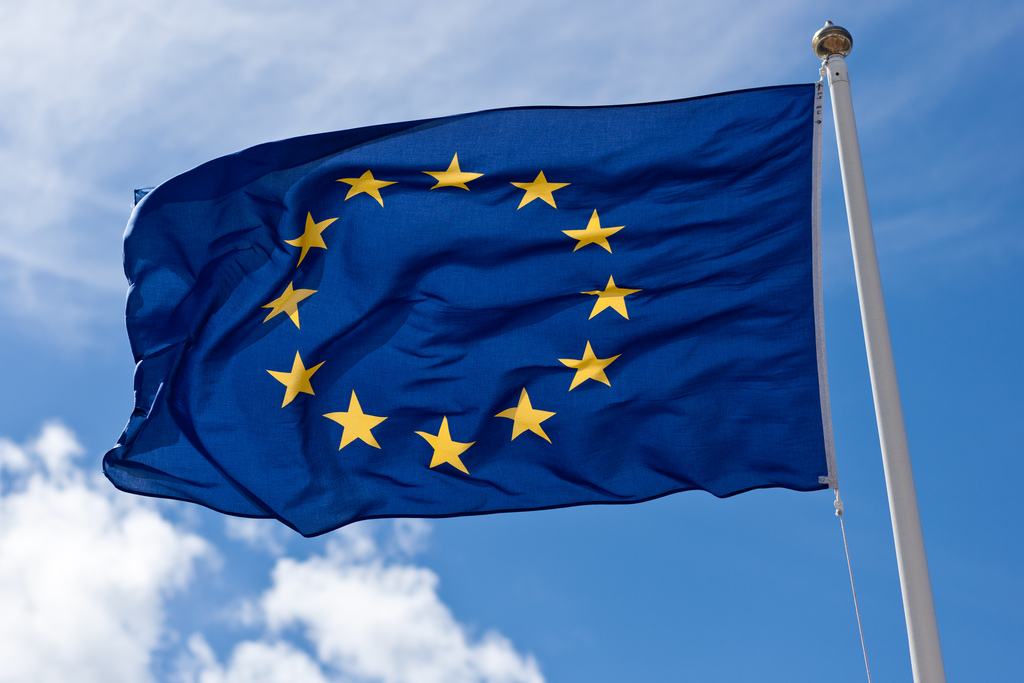
The European Parliament looks to strengthen holding companies operating in Europe accountable for respecting human rights and the environment through their global supply chains.
On January 27th, 2021, the European Parliament’s legal affairs committee voted on a proposal that would request EU legislation to hold companies accountable and give recommendations for its content. This received 21 votes in its favour, one against and one in absence. This proposal will now go to the European Parliament for a vote, and with the Parliament’s recommendations, it could help shape the corporate accountability law initiative announced by Didier Reynders, the European justice commissioner, in April 2020.
Lotte Leicht, the European Union advocacy director at Human Rights Watch, said: “Companies operating in the EU need to be held accountable if they fuel human rights abuses and environmental destruction at home and abroad,” and that “European lawmakers should adopt robust recommendations and pave the way for strong corporate accountability legislation.”
Following the April 2020 commitment by Commissioner Reynders, bypassing an EU law that would make human rights and environmental due diligence mandatory for companies operating in the EU. The vote this week on the proposal will also aim to guarantee access to legal remedies for victims. For example, this includes the abuses occurring in garment factories across Asia, where workers have suffered serious labour rights abuses, from child labour, forced labour and overtime, theft of wages and poor working conditions.
The impact also includes environmental damage to countries abroad, from toxic pollution which has been occurring in palm oil factories. Acting on the environment and holding businesses accountable is essential for reducing the effects on climate change and to work towards a more sustainable and liveable future.

Rapporteur Laura Wolters said: “A new law on corporate due diligence will set the standard for responsible business conduct in Europe and beyond . . . The new rules will hold companies legally responsible for avoiding and limiting risks in their entire value chain. They will give victims a legal right to support and to seek reparations, and will ensure fairness . . . for all businesses, workers and consumers.”
It goes without saying, the COVID-19 pandemic has had an effect on workers’ rights during this increased period of supply and demand. A few months ago, previous Relawding articles looked into the effects of the pandemic on Amazon workers and Apple’s alleged use of forced labour in its supply chains in China. Currently, the garment industry has suffered from clothing brands and retailers cancelling orders without assuming any financial responsibility, even when workers had finished making the products, which resulted in employee layoffs.
An example of this occurred in Cambodia. A supplier in the country told Human Rights Watch that a global conglomerate that he regularly supplied up to 60% of his factory’s production had stopped communication once the pandemic hit and it was time for the company to pay for their order. Due to the products being manufactured and shipped, the factory owner had no choice but to cut staff wages and suspend his workers.

Everyone from human rights activists to environmental groups has been pushing for tougher regulation of companies at the EU and globally. Kalpona Akter, founder of the Bangladesh Centre for Workers’ Solidarity told Human Rights Watch: “The onset of the Covid-19 pandemic has exposed how workers in the global supply chains are at the receiving end of empty promises. A law governing the due diligence obligations of companies is important to protect human rights and workers’ rights and ensure that when businesses create jobs in other countries through their global supply chains, they create jobs with dignity.”
Commissioner Reynders said that the upcoming proposal will be an integral part of the European Green Deal and European Recovery Plan, which is expected to arrive in the first half of this year. A further vote will be carried out in March on this proposal, with the commission putting forward a legislative proposal on corporate responsibility.
To keep up to date with the latest commercial news, click on commercial awareness to get your daily dose.
Donate & Support