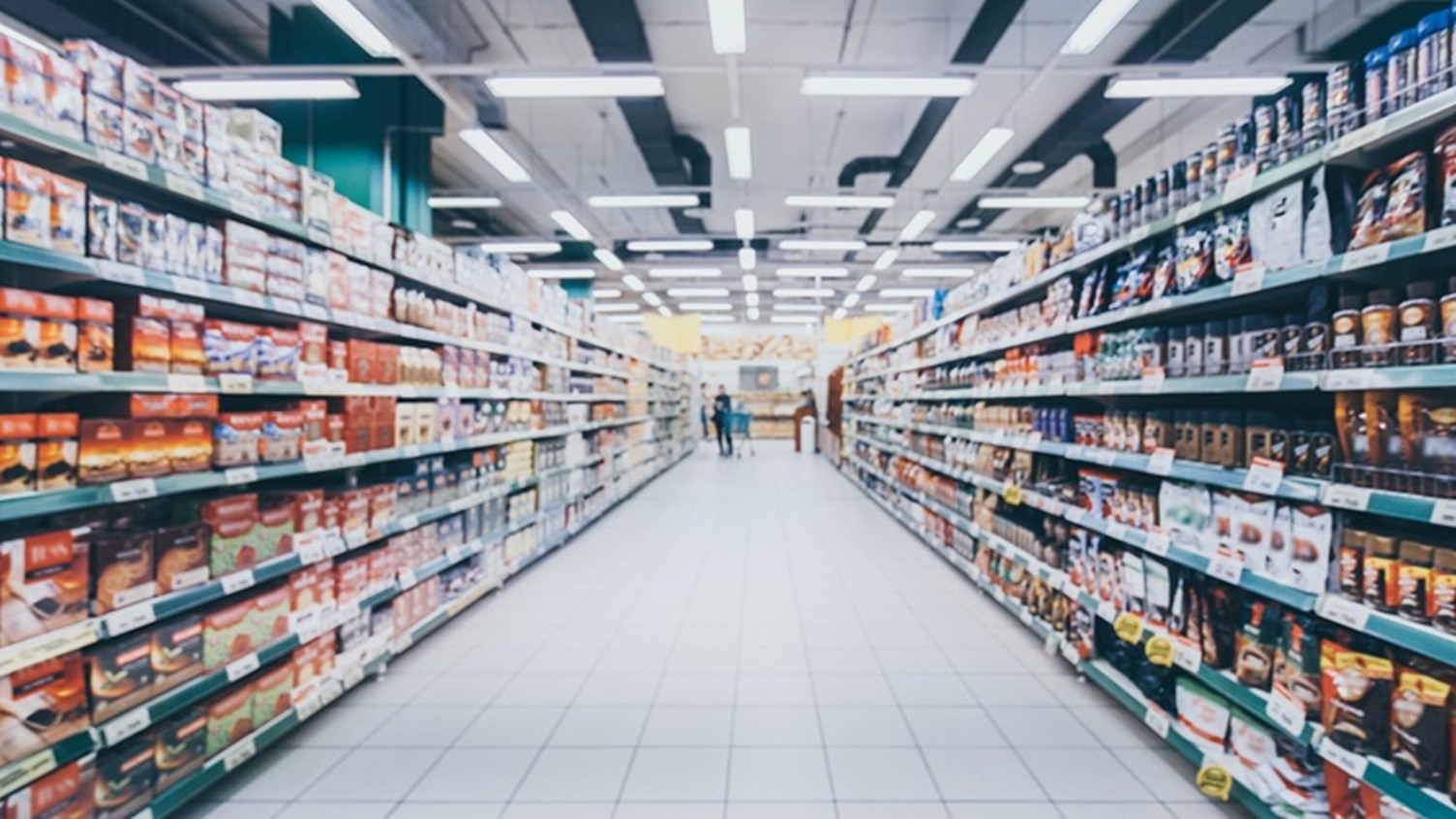
The recent expansion of Darkstores due to COVID-19 has completely changed the once traditional shopping experience. As many retailers are forced to evaluate their selling strategies in accordance with government measures and the closing of stores; the importance of an online presence has never before been so vital.
2020 marked the year that 69% of marketers decided to spend the most on Instagram for influencer marketing which simply reiterates the aforementioned; however, the process for the seller is by no means as easy as click and collect. Behind the glossy marketing and fast shipping exist the pressures that many companies face at the hands of enhanced reliance on virtual shopping. In order to facilitate such demands this has led to the introduction of Darkstores. Darkstores, by definition are warehouses that resemble a conventional store but are not open to the public, housing goods used to fulfil orders placed online.
What are the benefits of Dark Stores?
Rather ironically with regards to its mysterious sounding name, Darkstores have received much excitement in the press with many coining it as ‘revolutionary’ in the e-commerce world – a statement that is hard to contradict when looking at its benefits. Better customer service, reduced cost of operations and a bigger geographical influence gets the ball rolling, and the reach appears endless.
Furthermore, according to Mintel, online grocery shopping in the UK is set to grow by around 33% by the end of 2020, reaching an estimated value of £16.8 billion signifying that whilst pop-up fulfilment centres are a solution for the short-term, a move towards large dark stores is the ultimate solution. This particularly focuses in on urban areas with large volumes of deliveries. Wincanton for example has expanded into this space recently by partnering with Waitrose to open a fulfilment centre in West London to serve its online consumers.

Omnichannel retail
Omni-channel retail is a sector that has grown similarly to Darkstores during COVID-19 and it is fair to say that the two go hand in hand. In a time of adversity where the acute effects of loneliness have been alarmingly reflected in the ongoing mental health statistics, the strengths of omnichannel retail directly parallel the needs of the public in the personalised experience that it provides. It is a strategy that completely contradicts the more brand focused ethos of multichannel marketing.
How does Omni-channel Retail Work?
In short, Omni-channel retail relies on the concept of consistency and personalisation. For example, if a customer displays an interest in the brand through a visit to the website, the aim of this form of marketing is to follow up these visits in order to establish a form of relationship and loyalty which is done through further marketing such as discount codes and e-mails.
Omni-channel retailing is particularly important for brick-and-mortar retailers, as they have the opportunity to leverage their stores and secure a competitive edge over e-commerce giants such as Amazon – an exceptionally important method to adopt when dealing with such a large digital landscape.
In conclusion, E-commerce was certainly significant before the pandemic but has since been accelerated with COVID-19 arguably forcing its metaphorical hand, as evidenced by the collapse of Arcadia and Debenhams into administration. Proving that high street retail is a thing of the past, it is clear that the legal sector must adapt and be familiarised with such developments in order to progress.
To keep up to date with the latest commercial news, click on commercial awareness to get your daily dose.
Donate & Support