By Saffiyah Khalique
Your commercial awareness dose.
Amnesty International released a report claiming that Facebook and Google are becoming “human rights-free zones” as they accuse the companies of censoring dissenters in Vietnam. With a history of censoring its press, media and critics ranking 175 out 180 countries in Reporters Without Borders Index on Press Freedom. In the last three years, many bloggers have been jailed or expelled due to their online posts. Reporters Without Borders report that around 25 journalists and bloggers are being held in Vietnam’s jails, where mistreatment is common.
With the rapid expansion of the internet and it is becoming more accessible to a larger part of Vietnamese society. The internet has now allowed for a wide range of information to be shared, for political debate and discourse to take place in a way it never has before and has allowed the sharing of human rights abuses to greater audiences. This has led to the Vietnamese government to target social media users, in particular Facebook users.
In Amnesty’s report, they interviewed thirteen activists who have had restrictions placed on their content that had been posted on Facebook. Human rights activist Nguyen Van Trang told Amnesty International: “I would like to call on Facebook to stop cracking down on accounts that circulate political content. That is the very basic right of the people.” This was after the Vietnamese government removed a post of his criticising the government in mid-2020.
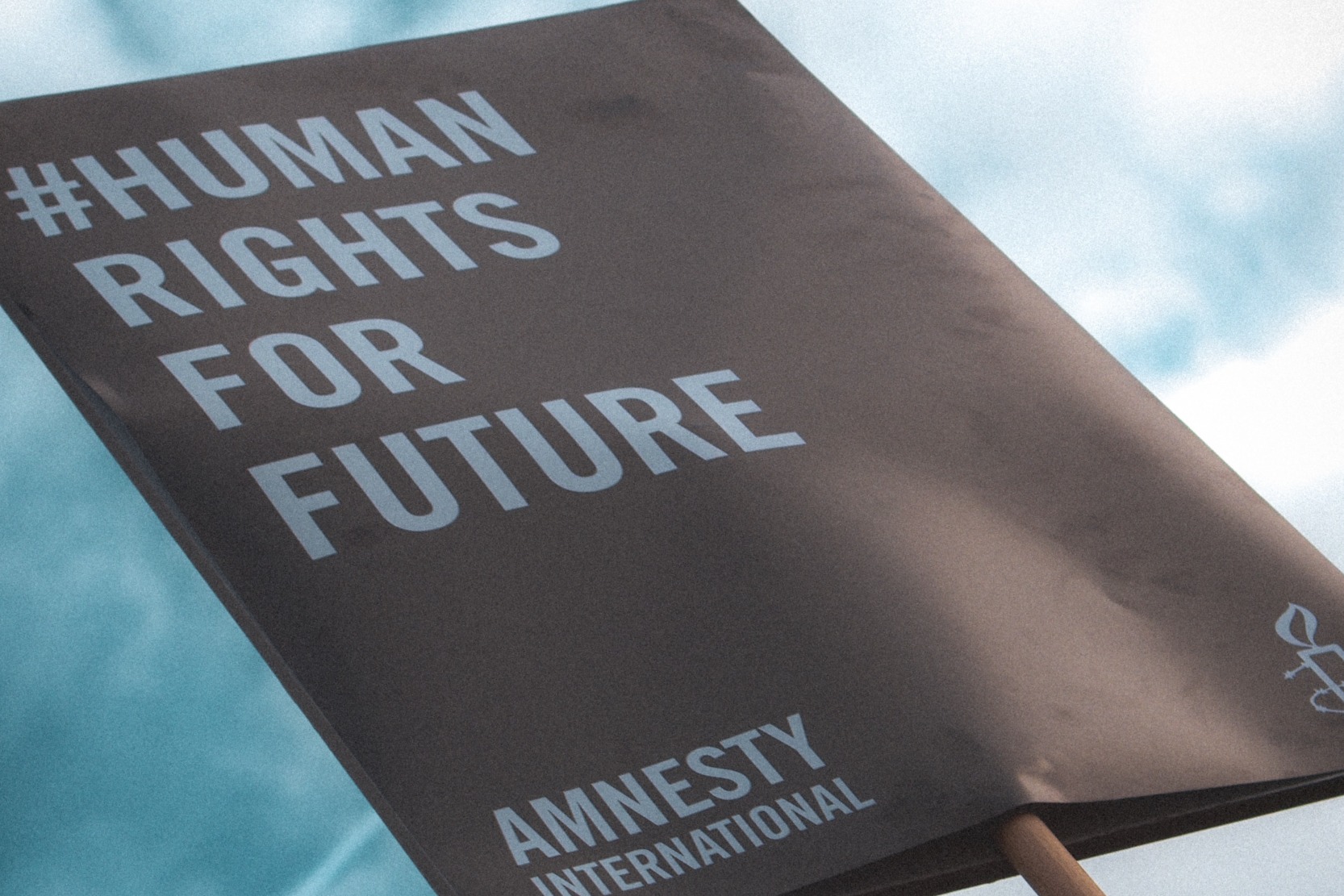
The stricter controls in Vietnam were implemented in April 2020, when Facebook announced changes in its content moderation policy in the country. Under the new policy, the company had complied with the Vietnamese authorities repressive censorship of online content that is viewed as critical of the state. This compliance from Facebook comes after they faced pressure from Vietnamese authorities, which included the slowdown of Facebook services in the country. The government regularly deems peaceful criticism of the government or information relating to human rights abuses as “anti-state.”
Facebook was a source of hope in a country where there is a high restriction on freedom of expression, social media was the way for activists and human rights defenders to get their message out to the world. With Facebook giving into regimes like that in Vietnam, social media platforms are becoming ‘human rights-free zones.’ Now, they are putting profit above freedom of expression. They had faced similar problems with the Google-owned video-sharing site, YouTube. One user, An told Amnesty: “YouTube is trying to prevent people from telling the truth, even when people are just reporting fact . . . This affects everyone in society, including victims of human rights violations.”
An describes the increasing restrictions that these technology companies are imposing at the request of the Vietnamese authorities as chilling and is worried about the effects that this will have on the right to freedom of expression in the country. The country’s constitution guarantees the right to freedom of expression and the UN Human Rights Council affirms the individual’s right to freedom of expression online. Yet, that doesn’t stop the country’s Criminal Code allowing authorities to prosecute people for engaging in the legitimate right to freedom of expression online.
Facebook’s compliance in allowing the country’s control and curb freedom of speech online is not limited to Vietnam. They have involvements in countries like India. In January, Facebook blocked a live stream from the Pakistan Broadcasting Corporation covering the human rights violations Kashmir. Social media companies’ willingness to comply with governments to repress the freedom of expression of its users is worrying when social media has been instrumental in political discourse, protest and sharing the stories of human rights abuses.
To keep up to date with the latest commercial news, click on commercial awareness to get your daily dose.
Donate & Support