Context
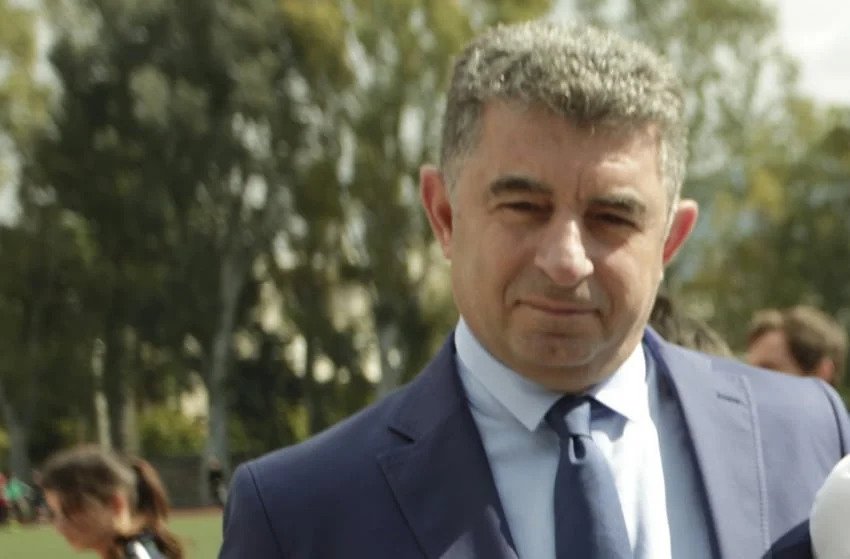
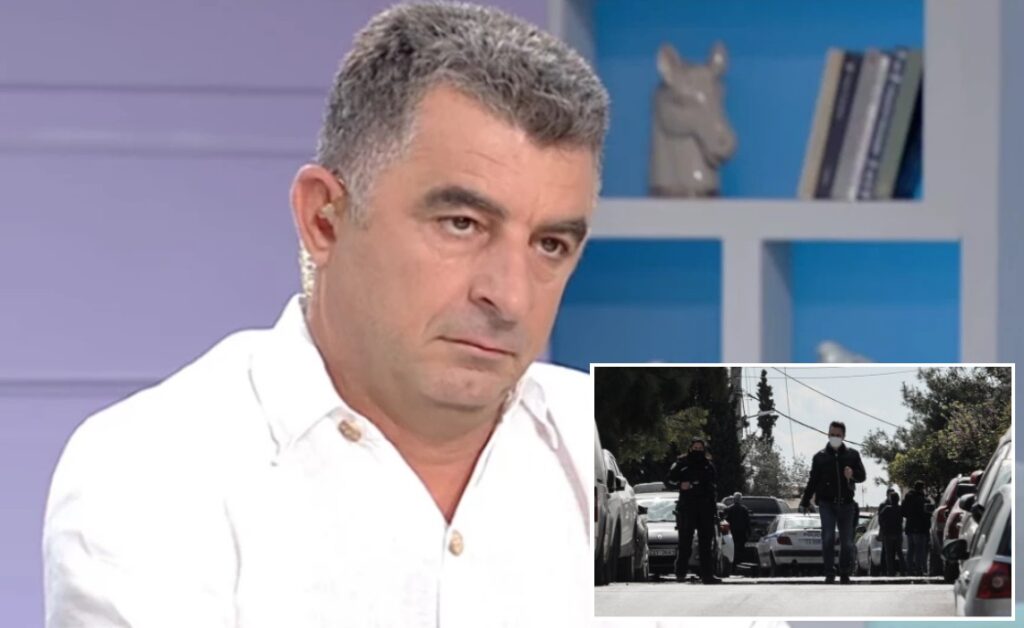
Giorgos Karaivaz, a veteran Greek crime journalist, was shot outside his home in Athens ten days ago (April 9) in what has been described as an ‘execution-style murder’.
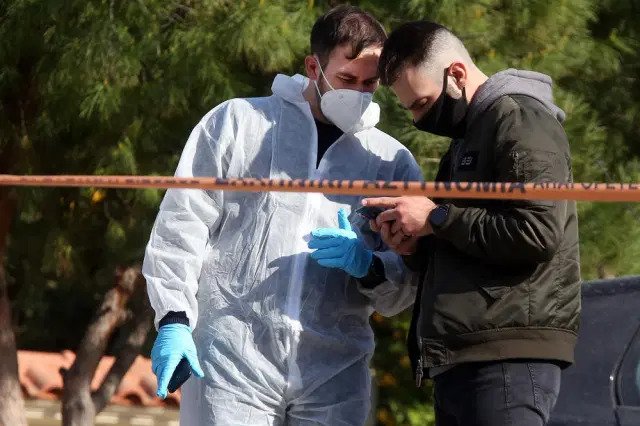
The 52-year-old, who worked for private broadcaster Star TV and news blog bloke. gr was shot at least ten times as two masked men on a motorbike pulled up and opened fire at the journalist. Preliminary reports suggest a silencer was used by the perpetrators to ambush Karaivaz after twelve bullet casings belonging to a 9mm pistol were found at the scene in the Alimos suburb of southern Athens.
Police strongly suspect Karaivaz had been followed and tracked by the assailants after returning home from an afternoon broadcast for Star TV. A motorbike, resembling the one described by eyewitnesses, was later found abandoned on a highway. It was a professional hit“, a police official told Reuters news agency.
Though his line of work covered organised crime and corruption, the motive behind the killing remains unknown. Karavan had not requested police protection or reported any death threats, and had no idea he might have been on a hitlist.
Reaction
The case has drawn widespread condemnation from journalists and politicians in Greece and Europe, as well as press freedom groups. Speaking on the issue, Government spokeswoman Aristotelia Peloni said Karavaiz’s death had “shocked us all”.
Valois Syros, a colleague at Star TV, mourned his death during the channel’s afternoon news hour. “I can’t even process this information, I’ve known this man for 32 years“.
Killings of journalists are relatively rare in Greece, but not unheard of. In July last year, tabloid owner Stefanos Chios survived after being shot in the neck and chest outside his home. The case remains under investigation.
And in July 2010, investigative reporter Socratis Giolias was shot at 16 times by masked men on his doorstep in Illioupoli, another suburb of Athens. Golias was due to release the results of an investigation into corruption just days before his murder.
In light of the loss of a well-respected crime journalist, journalists in Greece have remained steadfast and committed to bringing the perpetrators to justice. Maria Antoniadou, head of the Journalists’ Union of the Athens Daily Newspapers (ESIEA), spoke out in defiance at the killing. “Whoever thinks that, in this way, they can silence journalists – there are another 6,099 who will investigate and demand to know what has happened.”
Ursula von der Leyen, president of the European Commission, tweeted: “Murdering a journalist is a despicable, cowardly act. Europe stands for freedom. And freedom of the press may be the most sacred of all. Journalists must be able to work safely.”
Wider concerns: press freedom
There have been rising concerns in regards to press freedom and the safety of journalists in Europe. The murder of Giorgos Karaivaz is the fourth killing of a journalist in Europe in the past five years.
In 2017, Maltese investigative journalist and anti-corruption activist, Daphne Caruana Galizia, was tragically killed in a car bomb attack. She had worked extensively on covering government corruption, money laundering and organized crime in Malta.
In 2018, Slovakian journalist Ján Kuciak and his fiancée Martina Kušnírová were both discovered shot dead in their own home. Kuciak had been investigating allegations of tax fraud involving businessmen connected to Slovakia’s ruling party.
And more recently in 2019, journalist and writer, Lyra McKee was fatally shot while covering riots in Derry, Northern Ireland.
Press freedom group Reporters Without Borders (RSF) have expressed concerns for media freedoms in Europe, citing a decline in the rule of law, an increase in violent assaults and a rise in online threats as their main concerns.
Hungary, under Viktor Orban’s tenure as prime minister, has been noted for its sustained attacks on press freedom. Those convicted of publishing what is deemed “fake news” face up to five years in prison.
Pavol Szalai, head of the EU/Balkans desk at RSF, called it a “worrying picture.”
“Europe remains the safest place in the world to be a journalist, but the pressures on press freedoms – and the risks – are mounting.”
To keep up with the latest commercial news, click on commercial to get your daily dose.
Donate & Support