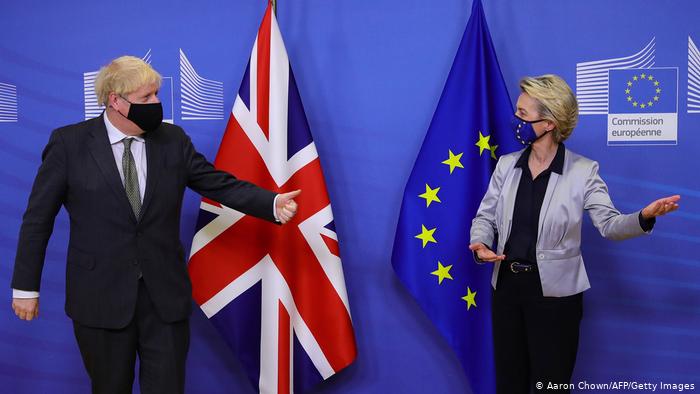
It can be said that Brexit is the single most important event in Post-war UK politics. Its impact was immense and immediate. In the fallout came, not only, questions as to how the UK would function in its new relationship with Europe but also how the UK would function internally.
The initial result was tight with 52% of the country voting to leave and 48% voting remain. This result is interesting when broken down into regions. Scotland voted massively in favour of remaining in the EU with 62% expressing their desire to stay. This is a significant number, more than any other region in England and 5% higher than the closest devolved administration (Northern Ireland, 55.8%).
This coupled with the recent emergence of the SNP (Scottish Nationalist Party) in Scotland has lead to renewed calls for a 2nd referendum by SNP leader Nicola Sturgeon. The last attempt to secede the union by Scotland was conducted in 2014 and was nearly as close as the Brexit vote with 55% voting to remain in the Union and 45% voting to leave.
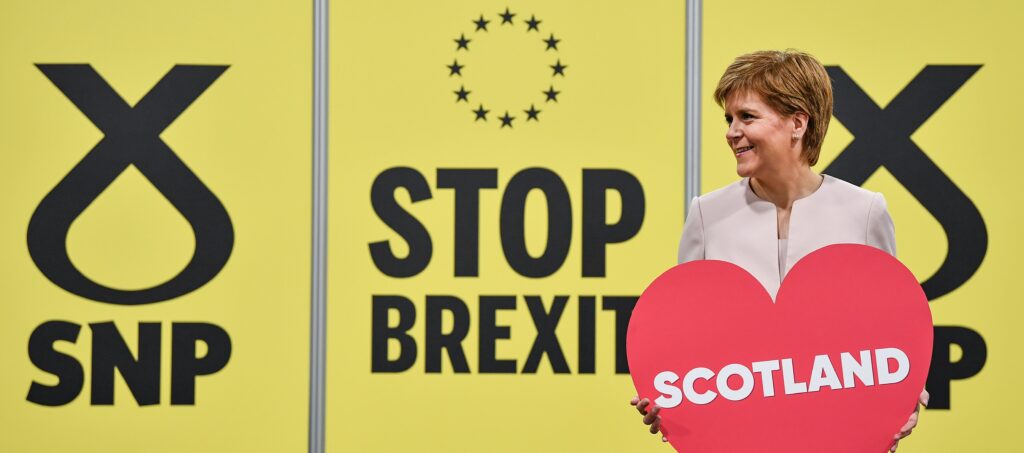
What was one of the main drivers in this decision to stay? The EU. Scottish unionists argued that if Scotland seceded from the UK then their status within the EU would be at risk. This, of course, is no longer an issue.
This depicts the desire for Scottish independence as not just ‘Anti UK’ but ‘Pro EU’. The political culture in Scotland has always been one of national pride that ensures Scotland is never on the periphery of any union they join. Currently, the shift in Scottish attitude has moved more toward one favouring a union with Europe over that of the UK, the Brexit result not sparking, but highlighting this.
In the same breath as mentioning Scottish separatism, one has to mention the SNP and their enigmatic leader, Nicola Sturgeon. Historically the SNP were never really a large actor in Scottish politics, with the Scottish Labour Party at the helm. In the past 5-10 years their status has grown significantly though, especially under the leadership of Sturgeon.
They currently hold 63 out of a possible 129 seats in Holyrood and 48 out of a possible 59 SMP seats in the House of Commons. This is a level of support the SNP could have only dreamt about in Pre-Brexit times.
Political commentators have suggested a myriad of reasons as to what may have caused this sudden increase of support. Some suggest it is due to the previous incumbent party (the Scottish Labour Party) becoming complacent and detached from the mean Scottish voter.
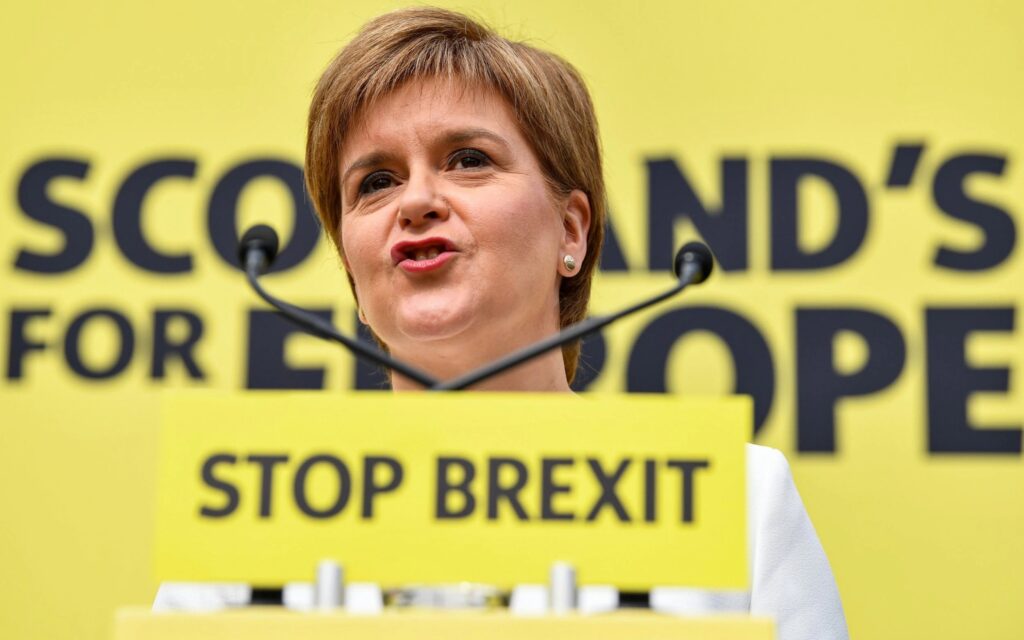
This coupled with the relative obscurity of the SNP meant that they escaped criticism from the media since there was no real narrative developed on the party – meaning they could make claims and create a policy that went, effectively, unchallenged. The media and misinformation campaigns played a huge part in deciding the Brexit result, perhaps the lack of criticism aimed at the SNP was enough to convince some Scottish voters to turncoat.
Another factor is that the Scottish independence referendum in 2014 mapped inversely to that of the Brexit referendum, in terms of age. A huge 67.1% of over 70s voted to remain in the union whereas 62.2% of those aged 25-29 voted to secede. This then would suggest that with each passing generation the calls for an independent Scotland will grow. But will a 2nd referendum ever actually be allowed?
The likelihood of this is slim. For this to happen it will have to have the support of Parliament and current PM Boris Johnson described the Scottish independence referendum in 2014 as a ‘once in a generation vote. The 2019 Labour manifesto also said that would not authorise a second referendum on Scottish membership to the union if elected. This is a huge hindrance to Scottish separatist goals, effectively ruling out the chances of Scottish secession, for the duration of this government at least.
To keep up with the latest commercial news, click on commercial to get your daily dose.
Donate & Support