Scenario
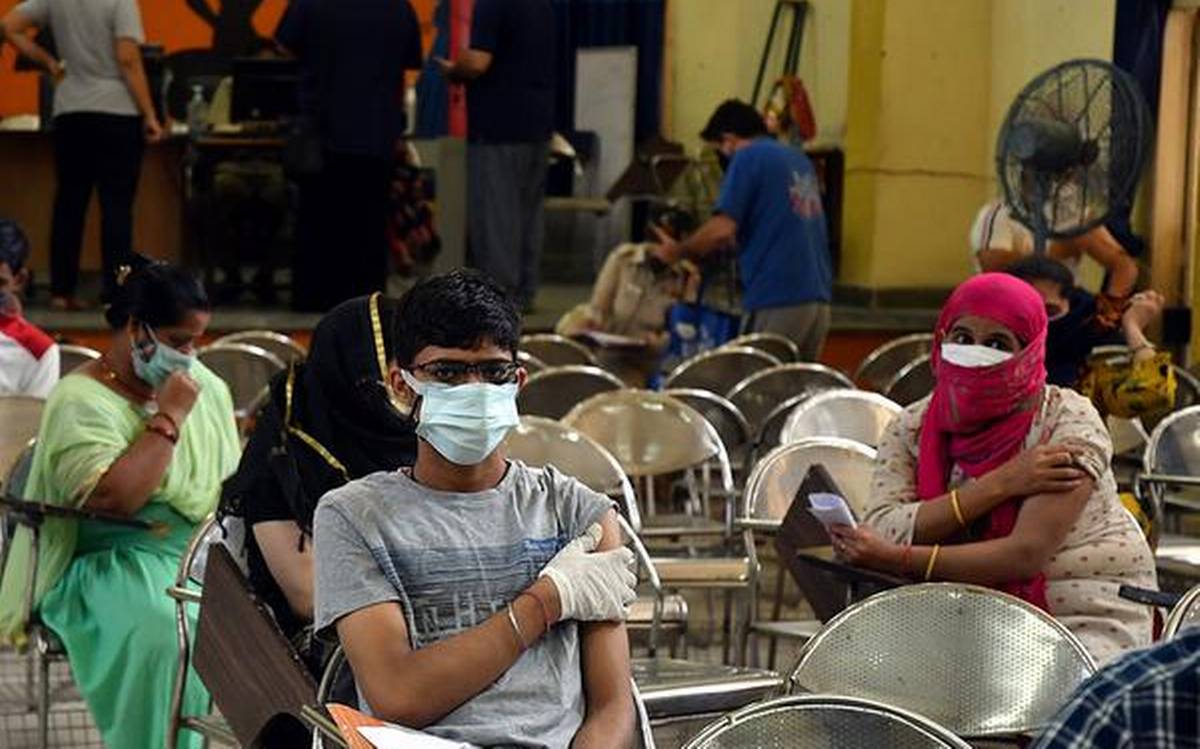
During mid-May 2021, the Biden administration announced that they would support the initiative of waiving the Trade-Related Aspects of Intellectual Property Rights (TRIPS) protection for Covid-19 vaccines. This notion, according to the government of many countries, would expedite vaccine production across the globe during the pandemic.
United States Trade Representative Katherine Tai mentioned this incident as an “extraordinary measure” for “extraordinary incident”. Now, the question is whether the relaxation of TRIPS rules for the production and distribution of Covid vaccines could ease off the situation, increasing the supply of the Vaccines whenever and wherever necessary.
The argument in favour of waiving TRIPS rules seems relevant to some extent. This movement started with the proposal by India and South Africa last year in the WTO. With the rise of the second variant in India, which may lead to a further rise of the second or third wave across the globe, rapid vaccination is being sought.
Brazil is also creating fear with Covid-spread, which may be worsened due to the South African variant. Meanwhile, 120 countries including France supported this notion, intending to spread the vaccination in the world.

Causes of the Waiver
There are likely interesting effects of this waiver. For instance, it could open up space for the rapid production to open up a space for the emergency use authorizations (EUA), which may be developed by pharmaceutical giants, such as, Pfizer, Moderna, AstraZeneca, Johnson & Johnson, and Bharat Biotech, etc. for the rapid production especially in developing and the Least Developed Countries (LDC).
Presently, most of the production is being carried out in high-income countries, whereas vaccine production in middle-income countries is being done through licensing and technology transfer agreements. However, simultaneously, according to some experts in this field, “the widest possible” accessibility to this possibility may be hindered with the motive of acquisition of the lion share from supply by the high-income countries.
Global Oppositions
While France is supporting the US notion, many EU leaders are expressing their doubts on the fulfilment of the policy, and they have condemned the US for not adequately exporting the jab. The proposal has been blocked by diplomatically influential and high-income countries, such as UK, Switzerland, Japan, Norway, Canada, Australia, Brazil, etc. Very importantly, it has been observed that the US is ensuring first that the country shall have sufficient doses before sending shots abroad, utilizing its legislation.
Few questions have been paved by this notice – are they appearing philanthropic as they are trying to show themselves as, while they haven’t yet exported a single dose of vaccine considering that they have an excess of the Covid doses? According to Emanuel Macron, the President of France, “100% of the vaccines produced in the United States of America go to the American market”.
Other Challenges
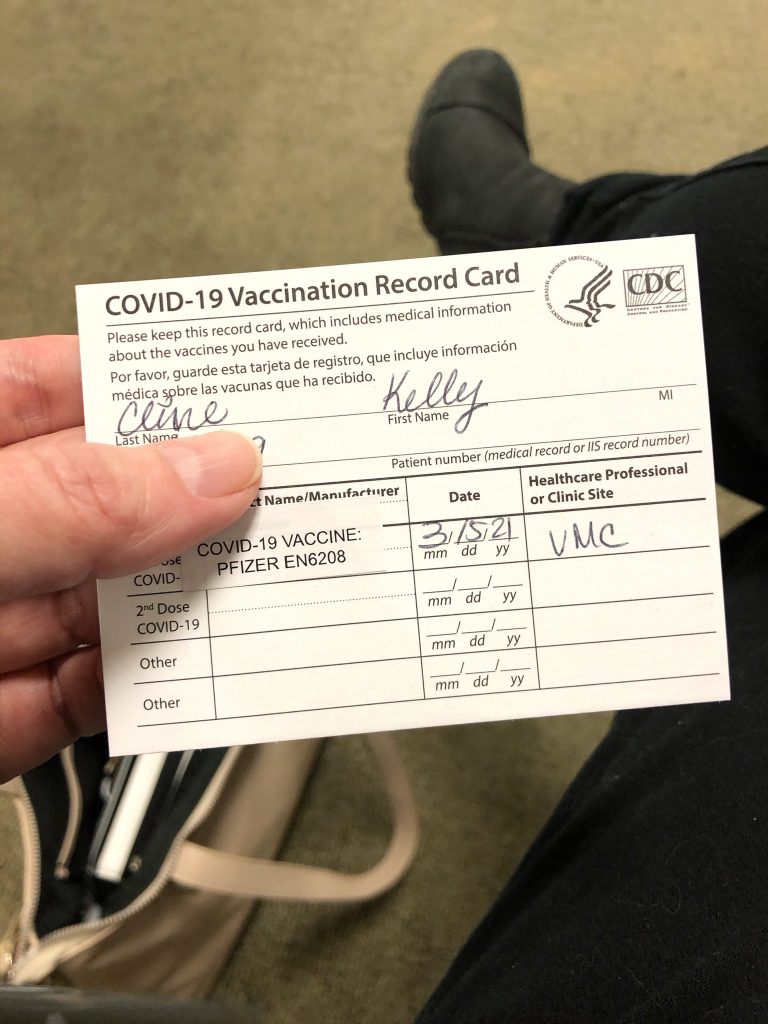
Pharma companies also opposed the US proposal. According to a few, for instance, Pfizer and AstraZeneca, the waiver may not be very effective since the elimination might “undermine the global response to the pandemic”. In a joint letter to Biden, according to them, the public may lose confidence due to this waiver regarding its safety.
Not only that, the necessity to share substantial questions may be impacted due to this step, rather than increasing production scale. Tech giant Microsoft, on the other hand, opposed this initiative, negating the waiver in the hands of middle-income countries like India, hinting up to retain a monopoly over vaccine technology, production, and distribution.
There are some other challenges as mentioned by The International Federation of Pharmaceutical Manufacturers & Associations (IFPMA). In addition to the questions of whether the patent restrictions may be lifted, there may include trade barriers, bottlenecks in supply chains, scarcity of raw materials and ingredients in the supply chain, etc.
With the scarcity of raw materials expediting very rapidly, many manufacturers from the middle and low-income countries need to rely upon specific suppliers and alternatives, while the US blocked exports of critical raw materials using the Defense Production Act, 1950.

The Likely Future Steps
It’s very difficult as of now to predict what we can see in the future. However, without the consent of EU members, any significant step may not be taken. Mr Biden may release his vaccine to meet the international needs; on the other hand, it may also be possible that he may donate more doses to middle-income countries, using the patent waiver strategy with the US supporters.
To keep up with the latest commercial news, click on commercial to get your daily dose.
Donate & Support