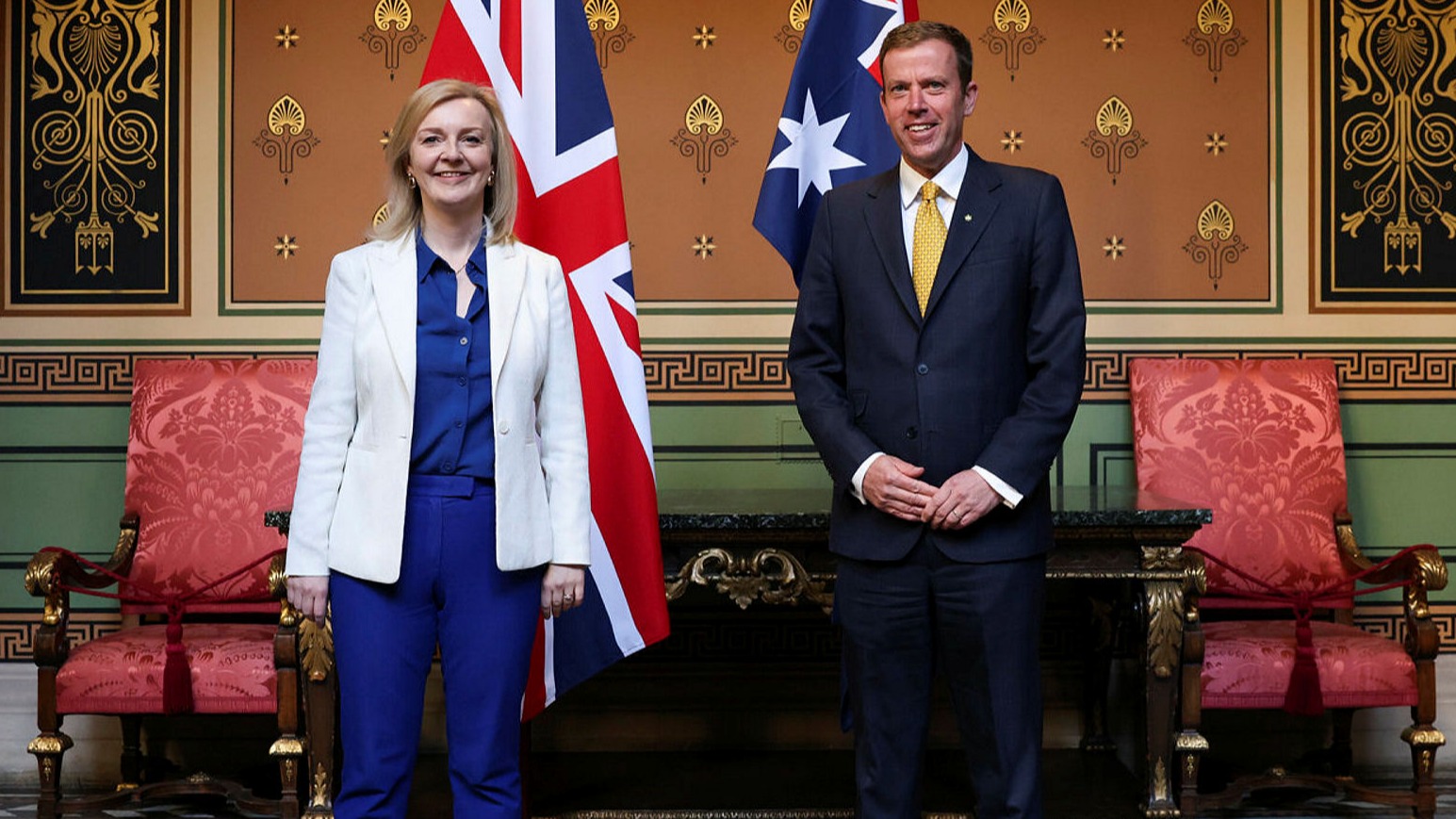
In the next few weeks, a new free-trade deal is expected to be completed between the United Kingdom and Australia. If it is completed, it would prove to be the most significant post-Brexit trade deal yet. The deal might have some appeal to it: Australia is a large market, and it is friends with the UK, sharing the commonwealth connection. But, there are also aspects of any future trade deal that threaten to undercut its benefits.
What would the deal look like?
The potential deal has been hailed as a victory for a post-EU Britain, with its tariff-free trade cutting an estimated £115 million a year in “red tape” – tariffs and import/export taxes. Free trade deals often mean goods can move more cheaply and more quickly across borders, which will be a benefit for those in the UK who wish to export to Australia or vice versa.
Trade between the UK and Australia is reportedly worth almost £19 billion and would include the likes of metals and wine as its main imports. The deal would supposedly add another £900 million to trade between the two countries, as well as £500 million to the UK’s GDP.
One of the main factors to the impending deal might be the fact that in September 2020, former Australian Prime Minister Tony Abbott joined the UK Board of Trade as an advisor, which is bound to have opened doors into his old stomping ground, despite his scepticism on climate change and other faults.
The deal is expected to be formally announced when Australian PM Scott Morrison travels to the UK for the G7 Summit at the beginning of June, and it is suggested that it might be an entryway into the CPTPP – the Comprehensive and Progressive Agreement for Trans-Pacific Partnership. This free-trade network would allow the UK to freely import and export to countries such as Canada, Chile, Japan and New Zealand without tariffs.
Down-sides to trading with the land down-under
Unfortunately, the UK-Australia trade deal might not be all post-Brexit sunlit uplands. There are real concerns over the economic impact that the deal might have on the UK.
With Australia producing and exporting more than the UK, there are worries that UK meat markets might be undercut and muscled out by cheaper Australian meat, which would not be free to enter our market, without the domestic incentive that taxes put on imports. Currently, the UK imports 15% of its sheep meat from Australia, not an insignificant amount.
This could damage UK farmers badly, especially in the wake of their largest market, the EU, becoming more expensive as well. There will most likely be lost revenue and lost jobs for the UK because of this, because we will not be exporting more than we import, and UK producers will feel the brunt of this.
Furthermore, while it would be a free-trade agreement, it wouldn’t be a customs deal, which would align quality standards between the two markets. What this means is there are fears that Australian imports, specifically meat, will be a worse standard than what is upheld in the UK, and lower prices and lower standards might undercut UK’s shops and market for the worse.

It is worth considering that the additional £500 million to the UK GDP that has been reported is not as impressive as it sounds. According to Worldbank, the UK GDP is $2.829 trillion – which is about £1.993 trillion. If the deal does add £500 million to that sum, it would only be a proportion of 0.00025%. Unfortunately, that is not a lot of money in proportion.
Australia has what is called a “comparative advantage”, where they produce more of a product and can sell it more and “win” a trade deal. There are ideas that there could be a quota on Australian meat coming in, which would control their influence on UK markets and farmers, but Secretary of Trade Liz Truss prefers a free-trade, free-quota agreement, where the winner would surely be Australia.
To keep up with the latest commercial news, click on commercial to get your daily dose.
Donate & Support