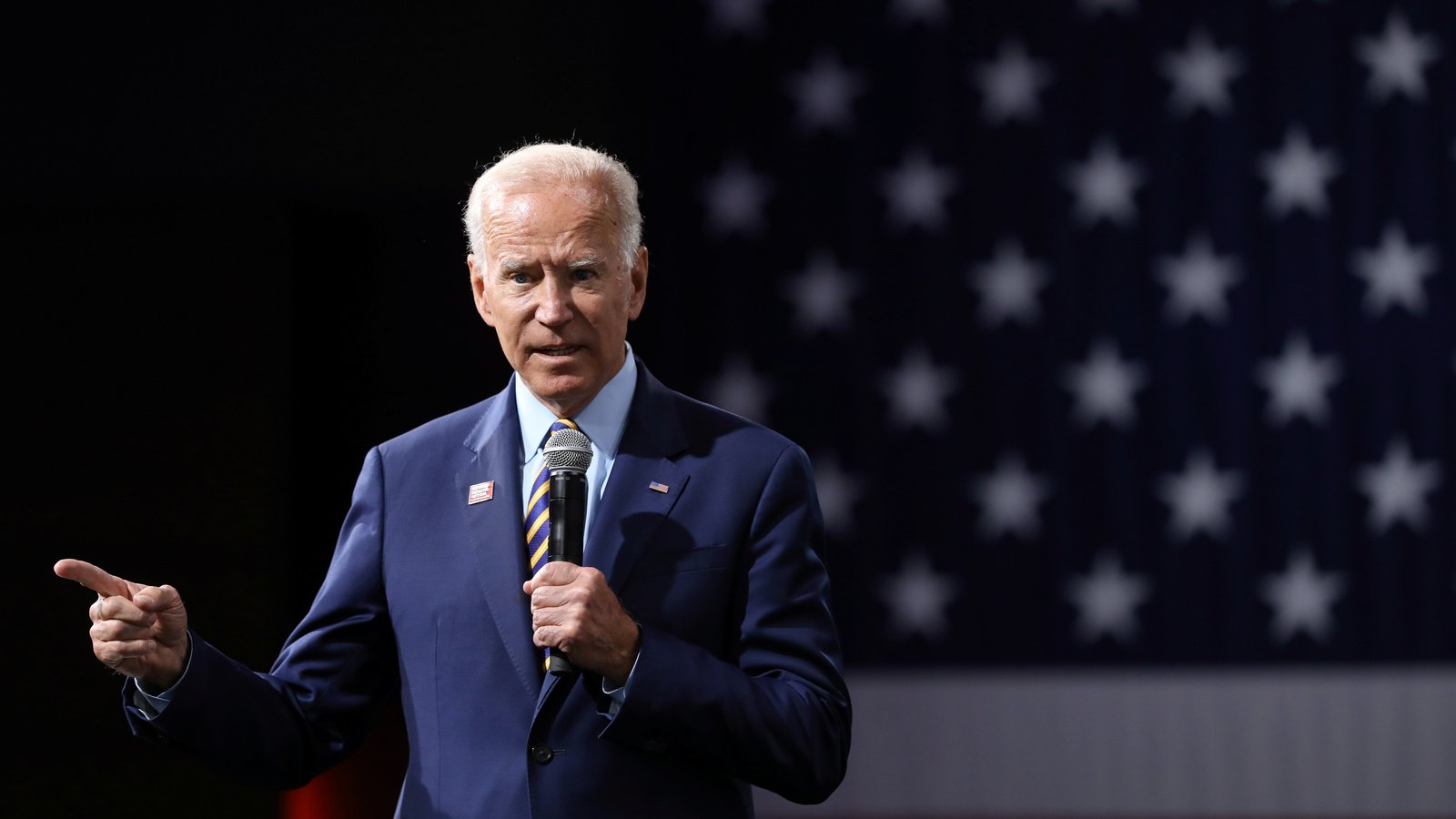
On the 25th of February, the US has conducted an airstrike targeting the Iran-backed militias in Syria. Militia officials say one person was killed, but the Syrian Observatory for Human Rights reported at least 22 fatalities. It happened to be the first military activity undertaken by the Biden administration, regardless of the possible risks of jeopardizing the reviving of the 2015 nuclear deal, or JCPOA, between the US and Iran.
Reasoning
In a press release Pentagon Press Secretary John Kirby stated that “these strikes were authorized in response to recent attacks against American and Coalition personnel in Iraq”. Indeed, in a recent rocket attack at a US-led military base in northern Iraq, a civilian contractor was killed and a service member was wounded, apart from the other five non-Americans.
While the US hasn’t regarded the attack to any specific group before Thursday, State Department spokesman Ned Price stated that “we will hold Iran responsible for the actions of its proxies that attack Americans”, mentioning that “many of these attacks have used Iranian-made, Iranian-supplied weapons.”
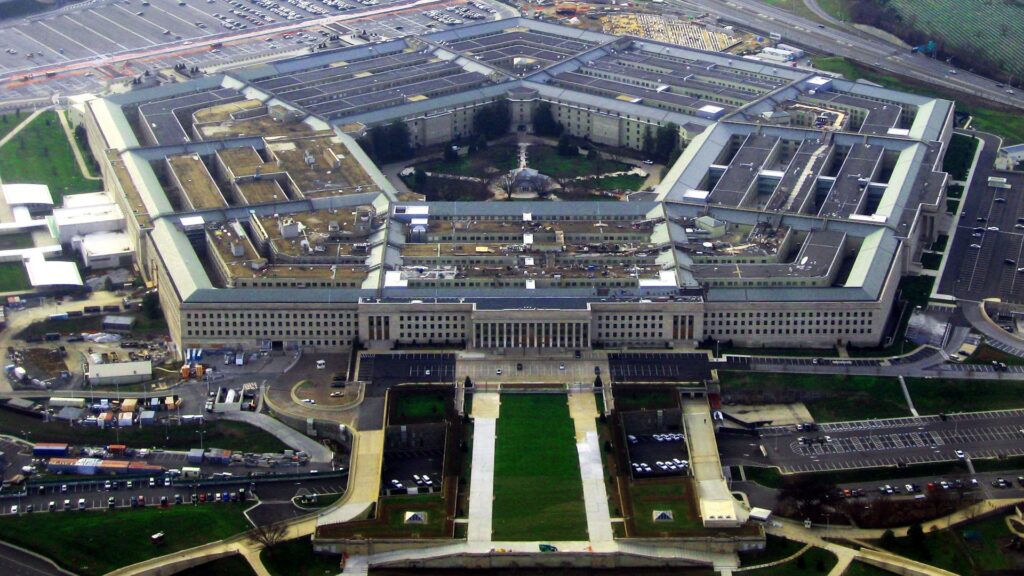
Accordingly, US Defense Secretary Lloyd Austin told reporters that the US was confident in the target: “we know what we hit”, “we’re confident that that target was being used by the same Shia militants that conducted the strikes.” Lloyd Austin has recommended the action to The President, who hasn’t hesitated to use his authority to defend US personnel under the Article II of the American Constitution.
Biden vs Trump discourse
Many critics call Trump’s foreign policy destructive by noting that he has undermined U.S. credibility in the global arena. Although much of today’s American crisis is domestic, starting from the pandemic collapse to violent uprisings, Biden will have to deal with today’s precarious security environment in the Middle East. Will it be different from Trump’s approach that turned the Middle East into a playground to fight Iran? Well, Biden is well remembered for his support for drawing a map that would split Iraq along ethnic and sectarian lines during the civil war.
However, in his farewell speech, Trump highlighted his Middle East achievements. Among them are restoring ties between Israel and Arab countries, the defeat of ISIS chief Abu Bakr Al-Baghdadi in October 2019, and the killing of Qassem Soleimani, who was described as “the number-one terrorist anywhere in the world”; altogether potentially re-engaging US hardline foreign policy in the region. His administration has also declared the Iran-allied Houthi rebels in Yemen as a foreign terrorist organization.
Before leaving office, Trump had attempted to cement the course of his administration’s foreign policy plans in the Middle East. Most notably, the US placed sanctions on Iraqi and Iranian officials and organizations. It also recognized Moroccan sovereignty over disputed territory in the Western Sahara area and attempted other initiatives to boost Israeli influence in the region. Biden may not show the same level of tolerance for Israel’s settlement expansion. But prioritizing the security no one expects him to step back regarding Israel, even if one may question Israeli gains.
He is also expected to prevent further expansion of Turkey and Russia increased influence in the Middle East which Trump didn’t prevent, simultaneously promoting bilateral relationship, most notably with Turkey, over countering terrorism and other relevant issues.
Conclusions
The Biden administration faces difficulties in reaching a balanced relationship with the Middle Eastern regional powers in general. For example, it is also not clear whether the US will withdraw its troops from Afghanistan until the deadline in May. The reason for debates over this issue is that the Taliban has been escalating attacks against Afghan security forces and civilians, even if refraining from attacking US troops.
Notably, Biden looks everywhere else in the world, too; i.e. recently in the previous month he has frozen Trump’s initiative to withdraw 9,500 troops from Germany, stating that “We have always been convinced that the stationing of American troops here in Germany serves European and transatlantic security and so is in our mutual interest.”

However, it was expected that the White House would equally concentrate on other painstaking matters, such as China’s expansion and restoring institutional links. He started his term by rejoining the institutions, World Health Organization and Paris climate accords most notably, and reversing the deals that Trump abandoned, JCPOA is an example of it. Concluding, one may argue that Biden manages international relations through both, traditional diplomacy and hardline foreign policy.
To keep up to date with the latest commercial news, click on commercial to get your daily dose.
Donate & Support