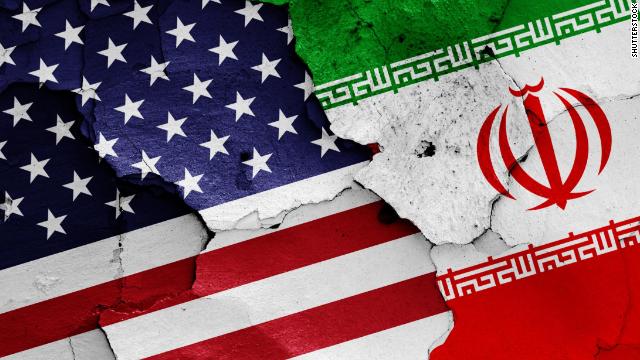
Serious discussions have recently occurred in Washington and Tehran about a possible US return to the Iran nuclear deal, or the Joint Comprehensive Plan of Action (JCPOA). The president of the US Joe Biden has expressed its commitment to rejoin the nuclear deal and formally offered to restart the nuclear talks, while Iranian Foreign Minister Mohammad Javad Zarif asked the European Union to play a mediating role in the dispute with the United States over the Tehran’s nuclear program.
History behind
Iran has always insisted that its nuclear energy is meant for peaceful civilian projects, however, the suspicions that it was being used as a legend made the UN Security Council, the US, and EU states impose severe sanctions against Iran in 2010. Later in 2015, Iran reached a deal with six global powers, the US, UK, France, China, Russia, and Germany, to limit its nuclear activity in exchange for a sanctions relief.
But in 2018 the former US President Donald Trump abandoned the deal and reinstated the US sanction. He wanted to forcefully restrain Iran in its ballistic missile program and its involvement in regional conflicts. Iran felt these demands to be not related to the issue at stake and refused, consequently witnessing the downfall of its economy and civilian widespread protests. Soon after Iran also declaimed on the commitment to the initial deal and continually enhancing its uranium enrichment.
The effect of the sanctions
When in 2016 the deal between Iran and Western countries was implemented, the Iranian economy has witnessed a slow recovery while the GDP grew to 12.3%, but much of that growth was attributed to the oil and gas industry. Growth fell back to 3.7% in 2017, leading to the biggest anti-government protests in Iran for almost a decade.
The economic sanctions imposed after 2018 have had a harsh effect on multiple sides of the Iranian economy, particularly those imposed on the energy, shipping, and financial sectors. The real GDP contracted by 6.8% in 2019 – 2020yy, besides, the oil sector shrank by 38.7%. Trump intended to bring Iran’s oil export to zero, basically denying the country its main source of revenue.
Living costs have risen dramatically over the years of sanctions. The inflation scored 41% in 2019, while the World Bank says that it was particularly high for food items and housing. For example, meat prices rose in price by 116%, while housing prices rose by around 78%. And clearly, the sanctions have hit the vulnerable population the hardest, putting additional pressure on the governmental finances.
Effect of the financial market sector
Under the so-called “business choice” sanctions foreign commercial banks were given a choice to conduct business operations with Iranian entities or with US entities, but not both. The compliance with the US imposed sanctions is assured as the US market and potential customer base are more diversified and profitable rather than those of Iran. The sanctions constitute a risk to large banks and insurance financial enterprises of all sorts to be excluded from the large US financial system, which they cannot afford.
Over the years of sanctions foreign banks that ignored US sanction laws and continued conducting business with Iran, have been punished in a form of fines and operating suspension, setting the showcase precedent for other investors. And even in the post-2015 sanctions relief period, international banks perceived risky to do business with Iran, resulting in only nominal sanctions relief. And even to date, the Iranians have trouble getting support for food and medicine purchases which is permitted under US laws.

The final thoughts
Consequently, it is fair to say that risk-sensitive commercial banking interests should have a prominent role in negotiations regarding any future deal with Iran, as the Iranian government would like to make sure that this time it’s not played out and the real sanctions relief will ease the economy. Iran is insisting that the US should lift Trump’s sanctions first before it reverses uranium enrichment. The Biden administration in turn demands the return to compliance first. However, the incentive to cooperate on both sides suggests that the countries will sooner or later integrate a bipolar approach to resolve the conflict.
To keep up to date with the latest commercial news, click on commercial to get your daily dose.
Donate & Support
1 comment
[…] undertaken by the Biden administration, regardless of the possible risks of jeopardizing the reviving of the 2015 nuclear deal, or JCPOA, between the US and […]