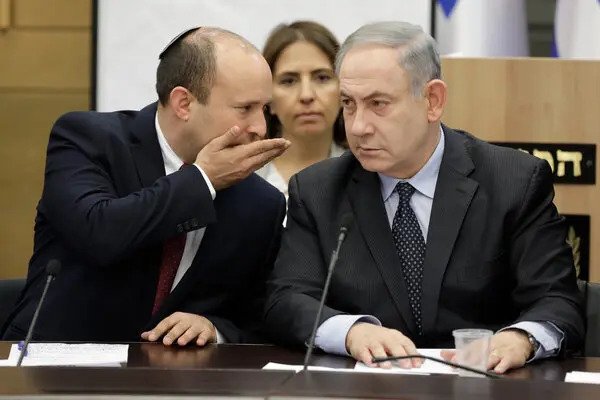
For the first time in twelve years, Israel has a new Prime Minister – Naftali Bennett. It has come after a power struggle for Benjamin Netanyahu in Israel for a few years now as he has struggled to create a powerful coalition, which has seemingly been brought forward by the recent backlash to the Palestinian evictions that sparked days of fighting between the two sides. But who is Naftali Bennett, and what will he mean for Israelis, Palestinians, and Israel’s place in the world?
Unfortunately for those who are hoping for peace between Israel and Palestine, Naftali Bennett isn’t that man. This has not been a move by Israeli politicians to find a candidate who will deliver them a peaceful agreement with Palestinians and bow to international pressure from the likes of President Biden.
Rather, it might be more of the opposite. Naftali Bennett has been described as a “hardliner” and “hyper-nationalist”, who will no doubt be intent on driving forward with colonisation efforts.
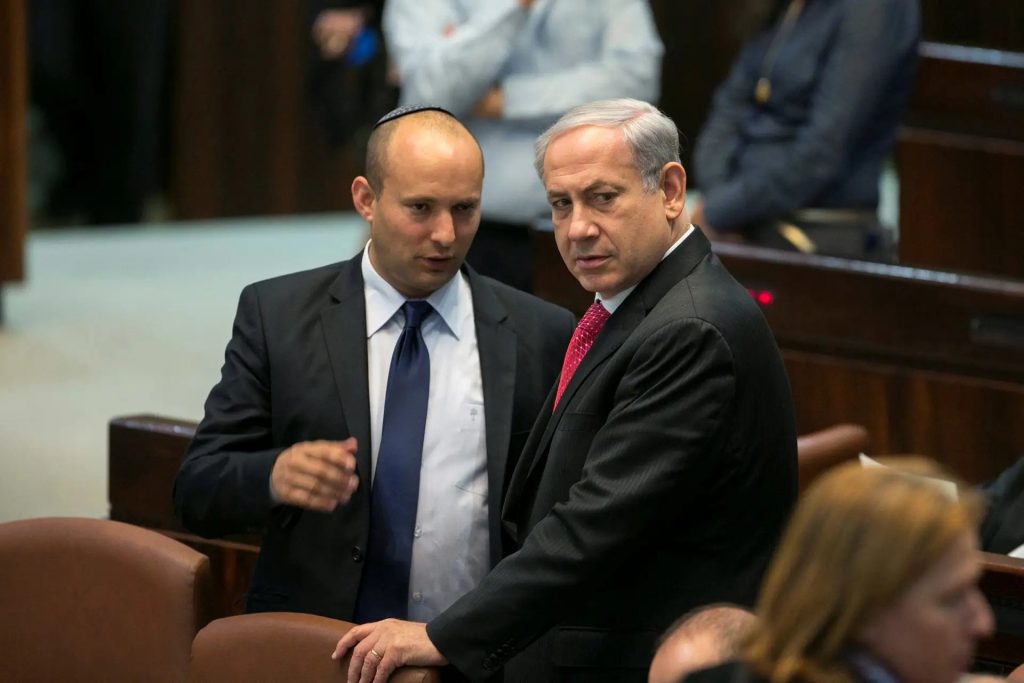
Naftali Bennett has made his name in Israeli politics with the backing of other hard-right supporters in his party Yamina, who expect him to continue with the annexation of parts of Jerusalem. He has previously said that he wants to expand Israeli settlements in Jerusalem by almost two thirds, forcing Palestinians into Areas A and B, which make up 38% of the area they are allowed to occupy.
Far-right plans which Bennett advocates sound as if it likens Palestinians to animals in a zoo – plain to see when Bennett likened an Israeli Arab to a primate, suggesting “when you were still swinging from trees, we had a Jewish state here”.
Israel has been trying to get rid of Netanyahu for some time. He has had corruption charges against him and there have been four snap elections since 2019, but the elder statesman has managed to stay in office until now, marking off his second spell as Prime Minister, which lasted twelve years. While he is a titan of Israeli politics, his successor was very much less so.
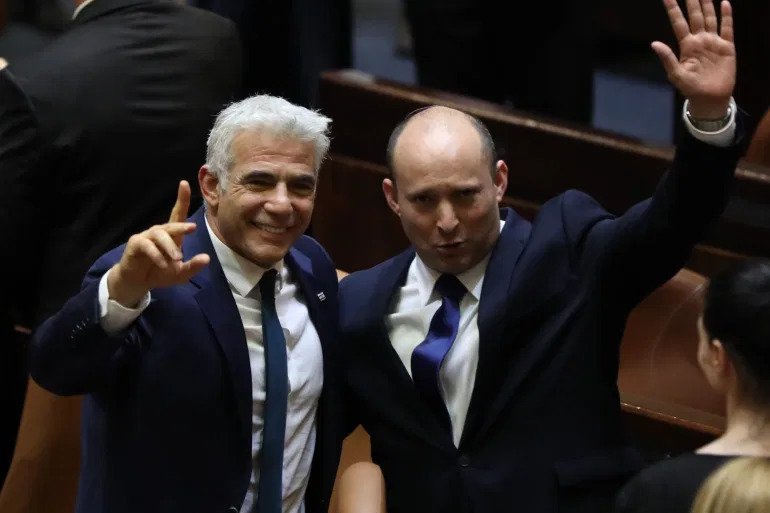
Bennett’s party only won a handful of seats in the Knesset (parliament), but with a hung result, he became a power broker. With the centrist Yesh Atid party, Bennett and other smaller parties joined a coalition to oust Netanyahu, managing a 60-59 majority in the Knesset. Bennett was offered a coalition with Netanyahu to keep him in power, but he declined the offer.
Bennett, the unlikely outsider, will run as Prime Minister for the first two years of the coalition’s term in office, before giving over power to Yesh Atid’s leader Yair Lapid for the last two years. There might be a bit of whiplash between Bennett’s term and Lapid, with some on the former’s side branding him a traitor for siding with centrists and leftists.

Indeed, one of the members of the new coalition is the United Arab List, the first Palestinian political group to ever be a part of an Israeli government. There are hopes that the coalition might temper any plans that Bennett has which are extreme, but he appears to be a man who does what he says he will do, and now he has been given the power to do so.
For many Palestinians, there may be no real change. This has been a coalition against Netanyahu, rather than one made to fix the divisions in Israel. There might be work towards internal reform and fixing the corruption that Netanyahu has been accused of, but no real prospects for peace.
On that front, Netanyahu could be persuaded to stop by US Presidents. It’ll be interesting to see how Bennett responds to opposition from their most important ally.
To keep up with the latest commercial news, click on commercial to get your daily dose.
Donate & Support