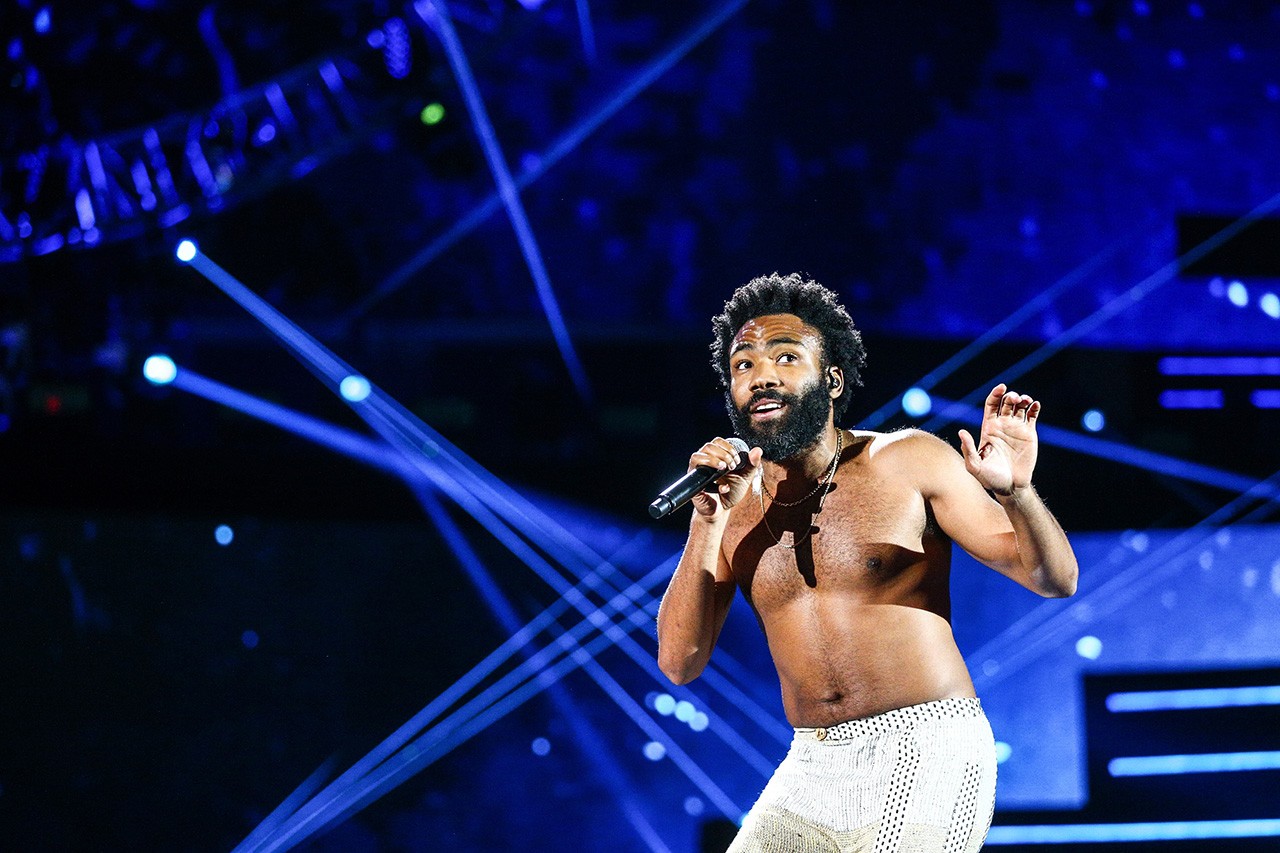
The increasing trend of music-related copyright infringement lawsuits has had artists like Ed Sheeran, Katy Perry and Nicki Minaj entangled in legal issues. Most recently, Donald Glover, better known as Childish Gambino, has been caught in the latest outbreak of musical copyright claims.
The Case
Rapper Kidd Wes (Emelike Wesley Nwosuocha) is claiming that Glover’s 2018 Grammy-winning “This Is America” has “substantial similarities” to his lesser-known single “Made In America”.
Nwosuocha alleges in New York federal court that the ‘lyrical theme, content and structure” of the chorus of Glover’s viral hit is too comparable to the plaintiff’s song to be an accident. The evidence provided includes statements from musicologist Dr Brent Swanson who confirms that, “there are distinct similarities in melodic contour, rhythmic triplet flow in each performance, and the lines ‘Made in America’ and ‘This is America’ line up nearly perfectly in time despite being different tempos. They also both use rhythmic utterances in their performances.”
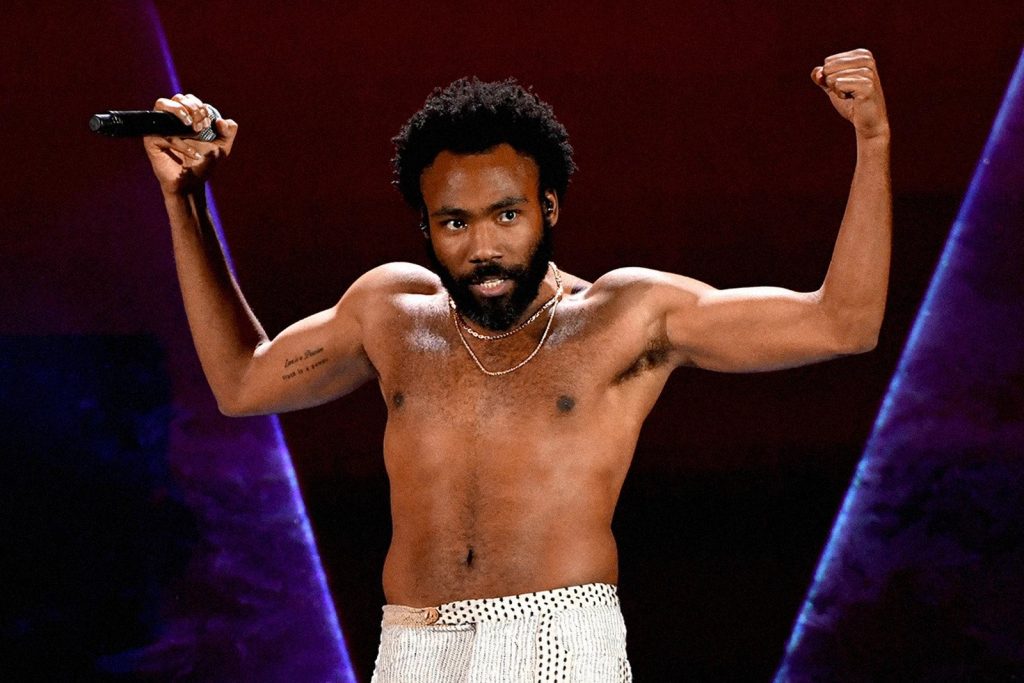
The lawsuit was filed on 6th May 2021 and the outcome is still unknown. Nwosuocha and his legal team are pursuing a permanent injunction, as well as damages and lost profits. Although a specific sum was not mentioned, he claimed that Glover and his co-writers made “hundreds of millions of dollars” from “This Is America”.
Glover’s manager, Fam Udeorji, refused claims of plagiarism, saying the song dated back to 2015, “and we have Pro Tools [digital] files to prove it”. If this is true, Nwosuocha will not be able to pursue the lawsuit as his song was first posted in September 2016 on SoundCloud.
Not The First Time
“This Is America” has previously been in the hot seat for plagiarism. In 2018, its similarity to Jase Harley’s “American Pharaoh” was noted by a blogger named Akademiks.
However, the accusation played out differently in the recent case as Harley said he had no interest in pursuing legal action. He posted on Instagram: “I feel extremely humbled to be recognised and labelled as one of, or the original inspiration, for one of the most important pieces of music and visual art of our time.”
US Copyright Law
The Copyright Act of 1976 prevents the unauthorised copying of a work of authorship. You no longer have to give copyright notice when you create original work – you are automatically protected.
A copyright holder can bring a suit for direct or secondary infringement and ask for monetary damages or equitable relief, such as an injunction.
The goal of copyright law is “to promote the progress of science and useful arts, by securing for limited times to authors and investors the exclusive right to their respective writings and discoveries.” Thus, the law should incentivise the creation of art, literature, music, and other works of ownership.
However, the effectiveness of this legal doctrine is questioned and the recent string of rulings in copyright cases seems to miss the purpose of its enforcement. With recent high-profile challenges, time will tell if the act is promoting or obstructing the creation of new works.
To keep up with the latest legal news, click on legal to get your daily dose.
Donate & Support