Blossoming plants can move radiocesium from soils to bumblebees, who would then be able to pack the impurity in nectar.
US honey contains hints of the radioactive aftermath of atomic bomb testing during the ’50s and ’60s, study finds Some US honey conveys hints of caesium-137 from nuclear bomb testing during the Cold War, as per another investigation. The degrees of tainting in the nectar are not sufficiently high to be hurtful to humans. However, the exploration gives more data on the durable impacts of atomic aftermath on the climate. The radioactive follows in nectar were found by some coincidence.
“It’s very extraordinary,” says Daniel Richter, a dirt researcher at Duke University not engaged with the work. The examination, he says, shows that the aftermath “is still out there and camouflaging itself as a significant supplement.”
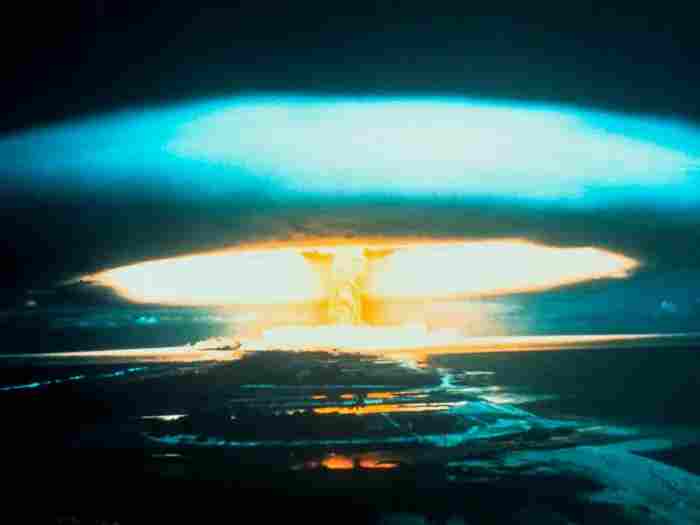
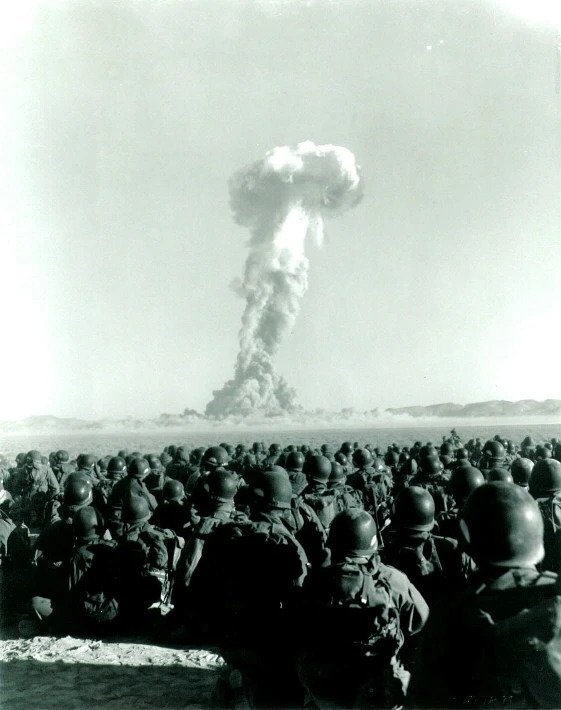
In the wake of World War II, the United States, the previous Soviet Union, and different nations exploded many atomic warheads in over-the-ground tests. The bombs catapulted radiocesium—a radioactive type of the component caesium—into the upper climate, and winds scattered it throughout the planet before it dropped out of the skies in tiny particles. The spread wasn’t uniform, nonetheless. For instance, undeniably more aftermath tidied the U.S. east coast, because of local breeze and precipitation designs.
Radiocesium is dissolvable in water, and plants can confuse it with potassium, a crucial supplement that has comparable synthetic properties. To see whether plants keep on taking up this atomic toxin, James Kaste, a geologist at the College of William and Mary in Williamsburg, Virginia, gave his college understudies a task: Bring back nearby food varieties from their spring break objections to test for radiocesium
One student got back with honey from Raleigh, North Carolina. Amazingly, it contained caesium levels multiple times higher than the remainder of the gathered food varieties. He puzzled over whether eastern U.S. honey bees gathering nectar from plants and transforming it into honey were concentrating radiocesium from the bomb tests.
So Kaste and his partners—including one of his students—gathered 122 examples of privately delivered, crude nectar from across the eastern United States and tried them for radiocesium. They recognized it in 68 of the examples, at levels above 0.03 becquerels per kilogram—around 870,000 radiocesium iotas for every tablespoon. The most significant levels of radioactivity happened in a Florida test—19.1 becquerels per kilogram. The discoveries, announced last month in Nature Communications, uncover that a great many kilometres from the closest bomb site and over 50 years after the bombs fell, radioactive aftermath is as yet spinning through plants and creatures.
All things considered, those numbers aren’t anything to worry about, the U.S. Food and Drug Administration tells Science.The radiocesium levels announced in the new examination fall “well underneath” 1200 becquerels for every kilogram—the cutoff for any food handling concerns, the organization says.
Radiocesium rots over the long haul, so nectar in the past most likely contained a greater amount of it. To discover the amount more, Kaste’s group pored through records of caesium testing in U.S. milk—which was checked out of worry for radiation tainting—and broke down chronicled plant tests.

In the two informational collections, the specialists found that radiocesium levels had declined forcefully since the 1960s—a comparative pattern that probably happened in nectar. “Cesium levels in nectar were most likely multiple times higher during the 1970s,” Kaste estimates. “Because of radioactive rot, what we’re estimating today is just a whiff of what was there previously.”
The discoveries bring up issues concerning what caesium has meant for honey bees over the past 50 years, says Justin Richardson, a biogeochemist at the University of Massachusetts, Amherst. “They’re getting cleared out from pesticides, however, there are other lesser-known poisonous effects from people, similar to the aftermath, that can influence their endurance.”
Researchers are worried about the impact of the more drawn out lived radioactive components, similar to caesium, on the climate. However the new investigation shouldn’t raise any alerts over the present nectar, seeing how atomic toxins move around is as yet crucial for measuring the soundness of our biological systems and our horticulture, says Thure Cerling, a geologist at the University of Utah. “We need to focus on these things.”
To keep up with the latest commercial news, click on commercial to get your daily dose.
Donate & Support