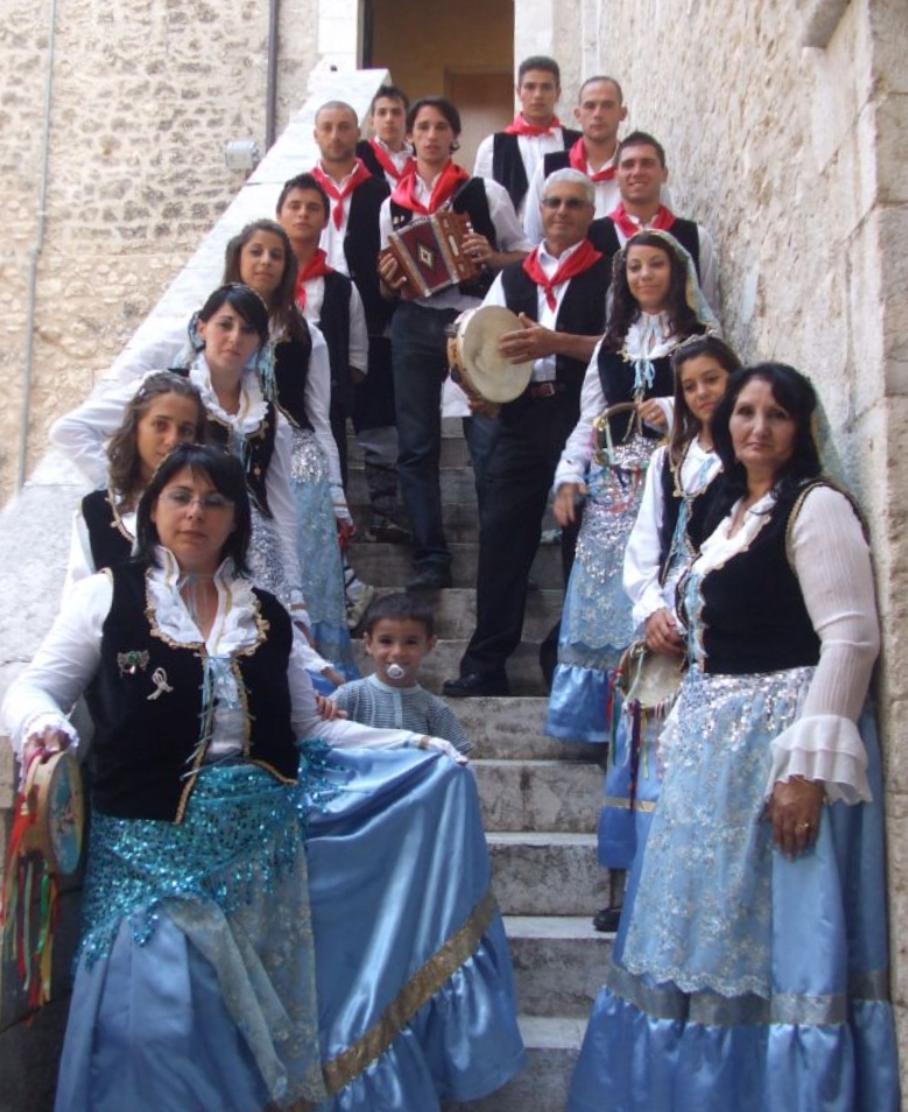
Salento is a region collocated in Southern Italy, particularly in the territory of Apulia. It is a historical and popular destination, that in these last years benefited of a huge amount of tourists all around the world. It is exactly the end of Italy, in what usually is called the “heel” of Italy. The territory of Salento extends from the city of Brindisi (its borders) till the end of Apulia, including also Taranto.
Firstly, the region was called “Messapia”, meaning a territory “amid waters”. Many characteristics merge to render it a unique destination. The colour of its soil for instance is a “warm red” due to a particular composition of aluminium, clay, quartz, iron hydroxide and so on. Going ahead, you can also find short dry stone walls (first buildings appeared in the territory) used to delimit plots of lands and pastures and thousand-year-old olive trees, that assumed a bind shape. In addition to buildings, there are the so-called “place”, a sort of house in a truncated cone shape dating back to the year 1000.
Furthermore, another peculiarity of this destination is the language spoken, the Griko dialect. It is classified as having Hellenic roots and being partially mutually intelligible (meaning that two different but close languages can be understood each other) with Standard Modern Greek. However, it is recognized as a minority and natural language. There are many hypotheses about the origins and the influences the language had to get to this point.
The two main hypotheses concern the Magno-Greek and the Byzantine possibilities. In the first one, the roman conquest is not taken into account and, according to Morosi, the language took its origins from the Byzantines period. Whereas in the second possibility, Rohlfs argues that Griko Salentino has been spoken from the Greek period onwards in a sort of continuum.
The surviving communities nowadays are limited: mostly in Calabria ( in this case, it is called “Calabrian dialect of Greek or Grecanico” and it is spoken in the territory of Bovespa) and Apulia (Province of Lecce). The latter comprises the Grecìa Salentina region, composed by Calimera, Martano, Castrignano de’ Greci, Corigliano d’Otranto, Melpignano, Soleto, Sternatia, Zollino, Martignano).
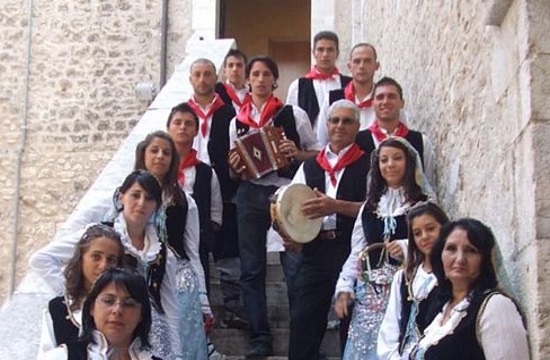
According to Unesco, Griko is considered a severely endangered language, that is to say, that the language had just 20.000 speakers. Moreover, the Italian constitution recognised it as an important heritage of Italian history. Therefore, particularly under the art.6, the Italian Republic has the goal to protect minority languages as such with specific laws and to guarantee lifelong learning. This specific article (n.6) belongs to the fundamental principles of the Italian constitution.
In addition to that, courses are done specifically on the occasion of traditional festivals or by the different districts. This year for example a course of Griko, lasting from the 16th to the 22nd August, was held in Melpignano (Province of Lecce).
Even if there are people who invest time in keeping the tradition, it is not easy and it is sad to know that a millennial heritage as such is disappearing.
To keep up with the latest commercial news, click on commercial to get your daily dose.
Donate & Support