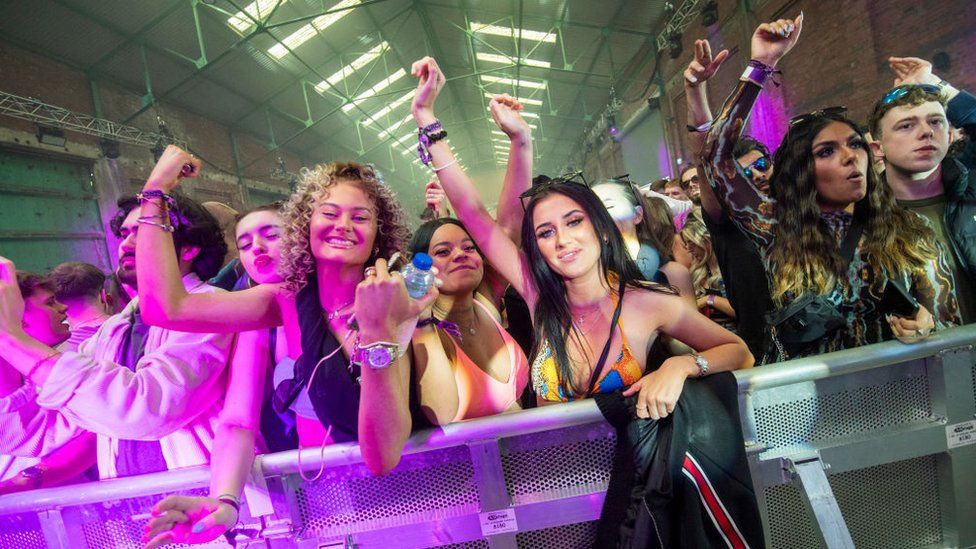
For the first time since the COVID-19 pandemic broke out last March, clubbers have returned to the dancefloor as part of the Events Research Programme (ERP), a UK government-led trial investigating how to re-introduce events to public life as lockdown eases.
Over 6,000 ravers visited a warehouse in Liverpool as part of a two-day event that began last Friday, at which partygoers were not required to wear masks or socially distance, but had to have a negative LFD (lateral flow) test before entry. By June, clubs will have been closed for 15 months, and it is hoped that with the success of the third UK lockdown and the rapid pace of the vaccination programme, that all restrictions will be able to be lifted by June 21st.
The nightlife industry is the UK’s fifth biggest sector and has taken a battering during the COVID-19 pandemic, with an All-Party Parliamentary Group (APPG) report finding that 51% of nightclub staff have been let go over the course of a year. By contrast, only 32% of bars, and 25% of pubs, have had to lay off staff, in recognition of the fact that these two types of venues, unlike clubs, have been able to be open intermittently throughout the various release of and re-entry into lockdown.
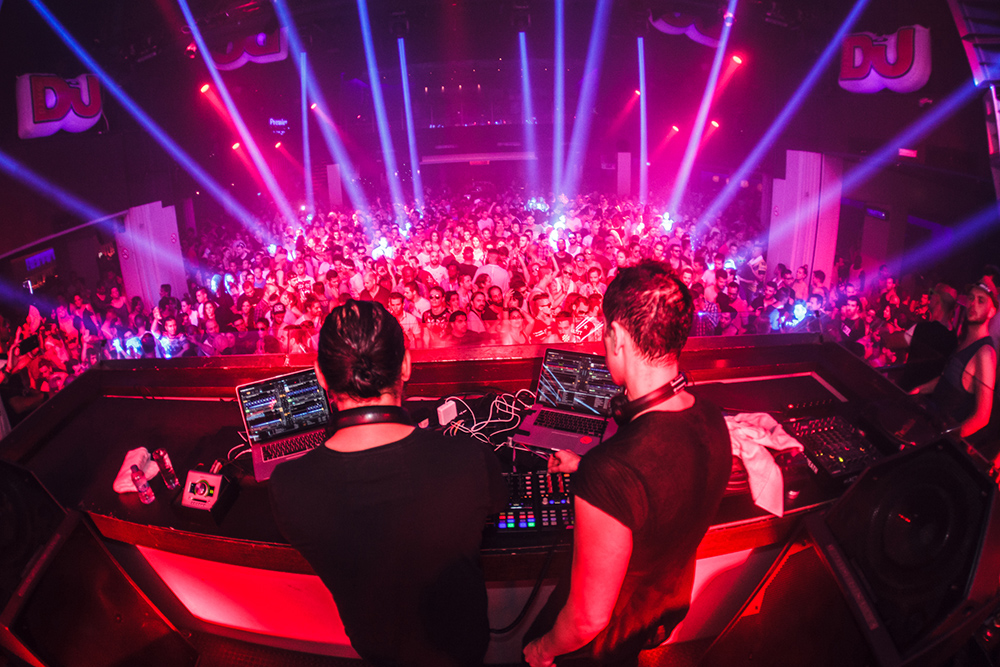
The event, led by events promoter Circus as part of their The First Dance series, took place at the Bramley-Moore Dock Warehouse and featured live performances by Jayda G, Sven Väth, the Blessed Madonna, and Saturday night’s headliner, Fatboy Slim.
The latter tweeted a positive review of the event: ‘Such a joyful night. Best government pilot scheme I’ve ever been involved in…Big thanks to @CIRCUSmusic @yousefcircus and everyone involved. If you were there please get your test next week the results could help more events get up and running sooner.’
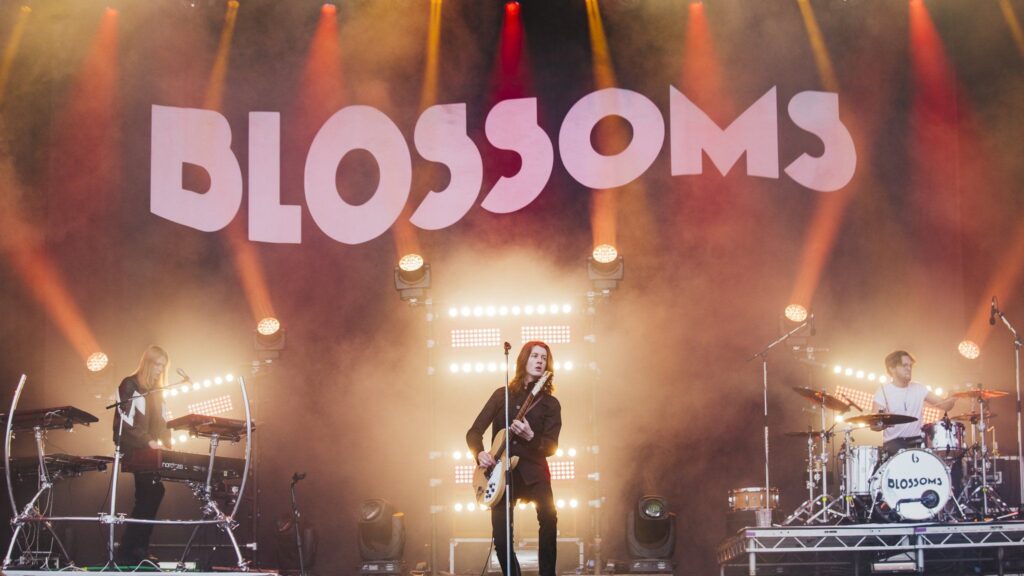
On Sunday, Stockport guitar band Blossoms headlined an outdoor gig at Liverpool’s Sefton Park, to a crowd of 5,000 people. The ERP is designed to test the viability of outdoor entertainment with the anticipation of festivals returning later this summer, although, in recent days, fresh fears over the likelihood of these occurring has come to light amidst concerns over a lack of insurance in the event of forced cancellation.
Sport trials have already begun in the UK, with the FA Cup semi-final and final forming part of the pilots. Anna Chapman, a university student attending the semi-final, told BBC Sport: “I just wanted to get back in a stadium… Although it’s limited, it’s just to get back to experience the aura of a stadium, the emotions, the atmosphere. I’m looking forward to it… We have to show our text saying we’re negative to get in the stadium, so I do want to test negative so I can get in.”
As of Thursday 6th May, at least 52.1% of the UK population have received a first dose of the COVID-19 vaccine, equating to 37.4m people. The government hopes to have offered at least the first dose to all UK adults by the end of July. In England, people aged 40 and over are currently being invited to book a vaccination slot.
For those itching to return to the dancefloor but were not able to participate in the Liverpool trial last weekend, footage of the event, featuring dancers mingling together as if the pandemic had never happened, can be seen here.
The Music Venue Trust, however, has called on the government to test how smaller, grassroots venues will be able to open, especially those with fewer resources than large scale events to be able to operate in a COVID-safe manner. 20 of the UK’s grassroots venues are at risk of closing forever, not having benefited from the £1.57 billion Culture Recovery Fund, if unable to open this summer.
To keep up with the latets commercial news, click on commercial to get your daily dose.
Donate & Support