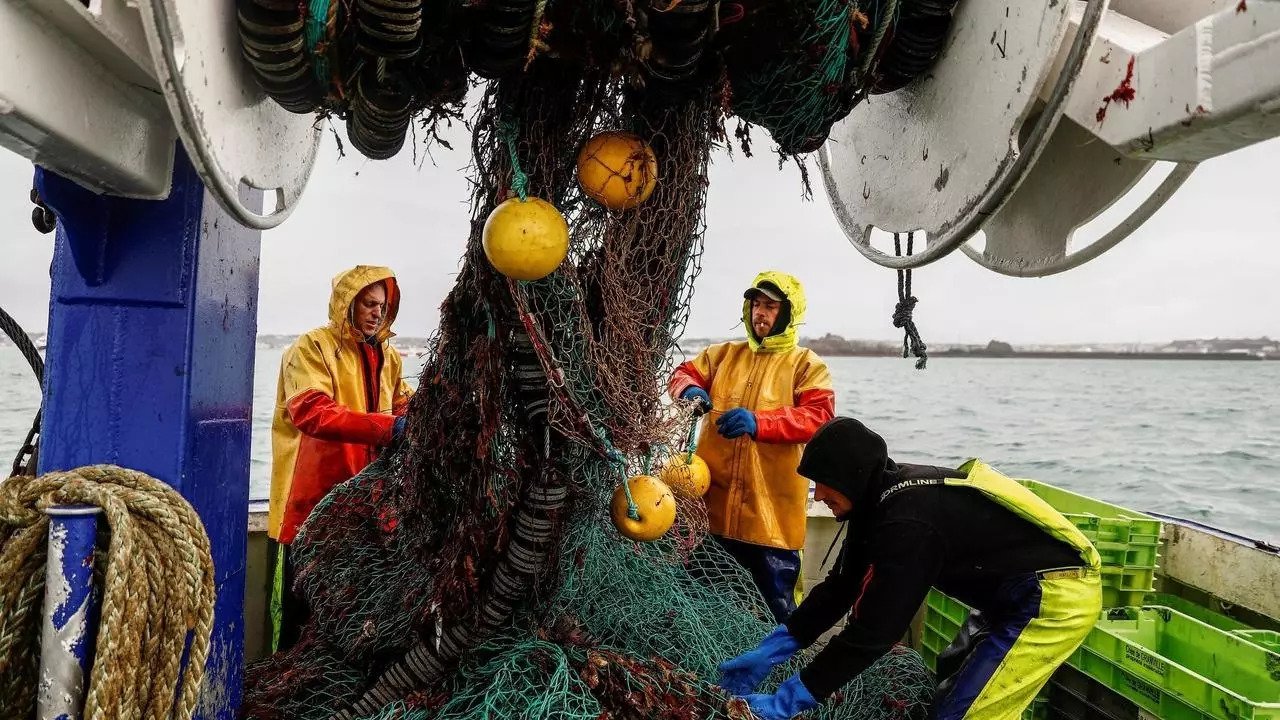
The British Crown Dependency of Jersey has been caught in the most recent Brexit row between France and the United Kingdom, as the clash over fishing rights between the two countries continues.
Tensions began to spike when new Brexit legislation came into effect around the isle of Jersey, where licences were issued to 41 French fishing boats that had operated in the area between 2017 and 2020 – the Brexit transition period.
However, due to discrepancies in the evidence provided for their activity over this time, 17 of the 41 boats have been given less access to British waters than they were expecting. The suggestion is that these are larger fishing boats that could not provide enough evidence to verify the amount of access that they needed or expected.
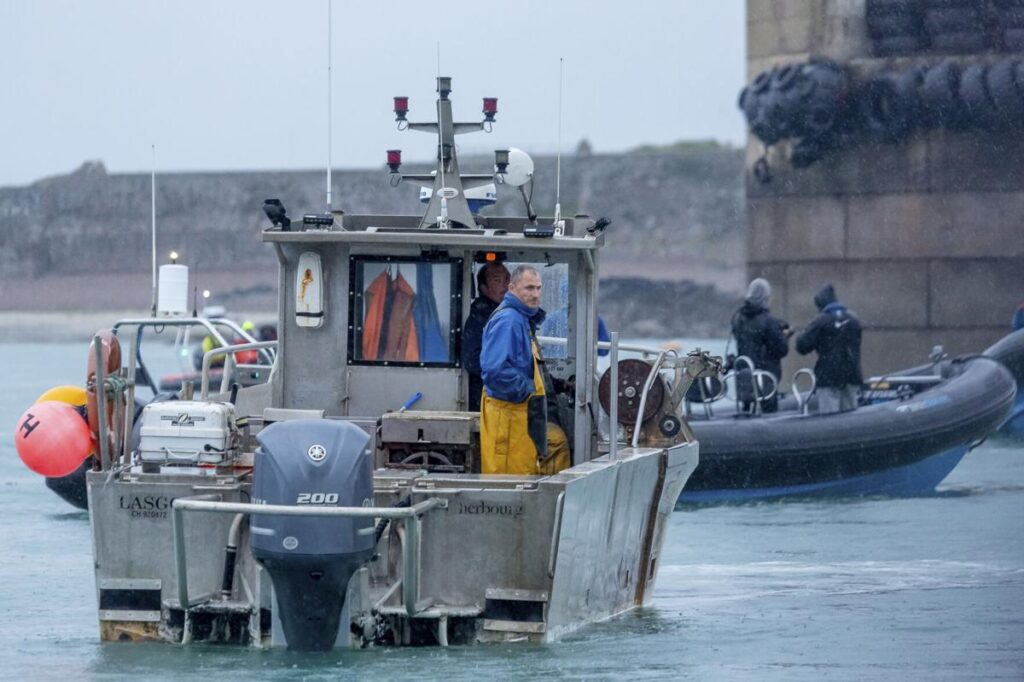
What turned this from tensions over fishing livelihoods into a potential international event was the French Fisheries Minister’s threat of retaliation. The post-Brexit trade agreement between the UK and France suggests that if one side breaks promises, proportionate retaliation measures can be taken.
French Maritime Minister Annick Girardin suggested that in response to the perceived unfair fishing licenses given out, the French government would stop supplying electricity to the island. This would be a major issue, as Jersey receives 95% of its electricity from France.
Furthermore, French fishing boats enacted a sort of soft-blockade of the main port of Jersey at St. Helier. About 60 French ships made themselves known, letting off flares and flying the French flag outside the port. This provoked a heavier-handed response from the UK government to send two Navy patrol vessels to Jersey to oversee events and to make sure it didn’t get out of hand for the UK and Jersey.
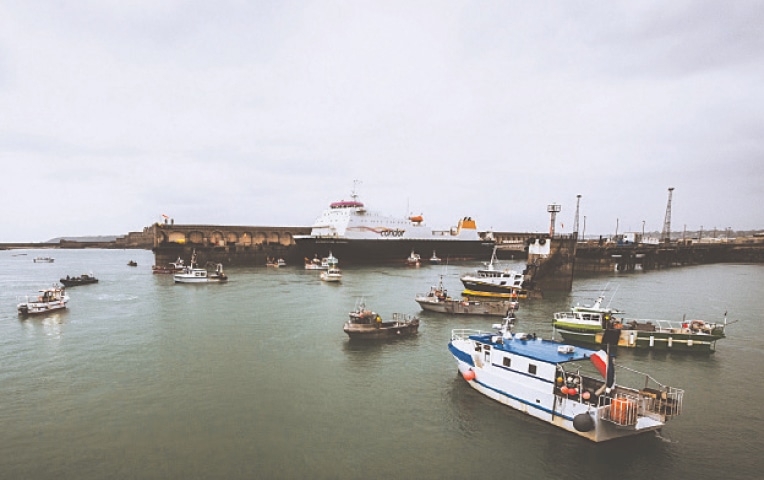
HMS Severn and HMS Tamar observed from a distance, but also made their presence known to the French ships in case the tensions were elevated. The French also deployed two similar ships to Jersey to protect their interests, leading to a gunboat stalemate. After the French fishermen had aired their grievances, they went back to France with no incident.
This comes as one of the first real political consequences of Brexit as relations are frayed and tensions rise over the political and legal grey area in the new landscape. Although there was a time pre-EU, the 47 years that the UK spent in the EU (and EC beforehand) have been long. Bonds have tightened, countries have advanced and times have changed.
There are more and different needs that people require, and that governments need to protect and ring-fence for their people to get their fair share. While fishing disputes are not new – there were Cod Wars in the 50s and 70s, after all – the fishing landscape has changed. Fish stocks have been depleting for years, and there are more guidelines and restrictions on catches to preserve what fishing stocks there are left.
There are almost fifty years worth of progression and political bonds to undo to find a new status quo. There are more people in the market for fewer fish, so tensions were bound to flare up as people reverted to a normal not seen for almost 50 years.
While it appears that this will not cause genuine conflict, it is still a serious issue that will repeat itself in some form in the future. A week before the standoff, the UK government failed to get a post-Brexit fish deal with Norway.
UK fishing demands and new European deals will not go smoothly, as the EU (and other European states like Norway) have more bargaining power than the increasingly isolated UK. The UK can make post-Brexit trade deals with India or Australia, but it will not do much for British fishermen who have long been the cultural heart of the Brexit argument.
To keep up with the latest commercial news, click on commercial to get your daily dose.
Donate & Support