Your commercial awareness dose
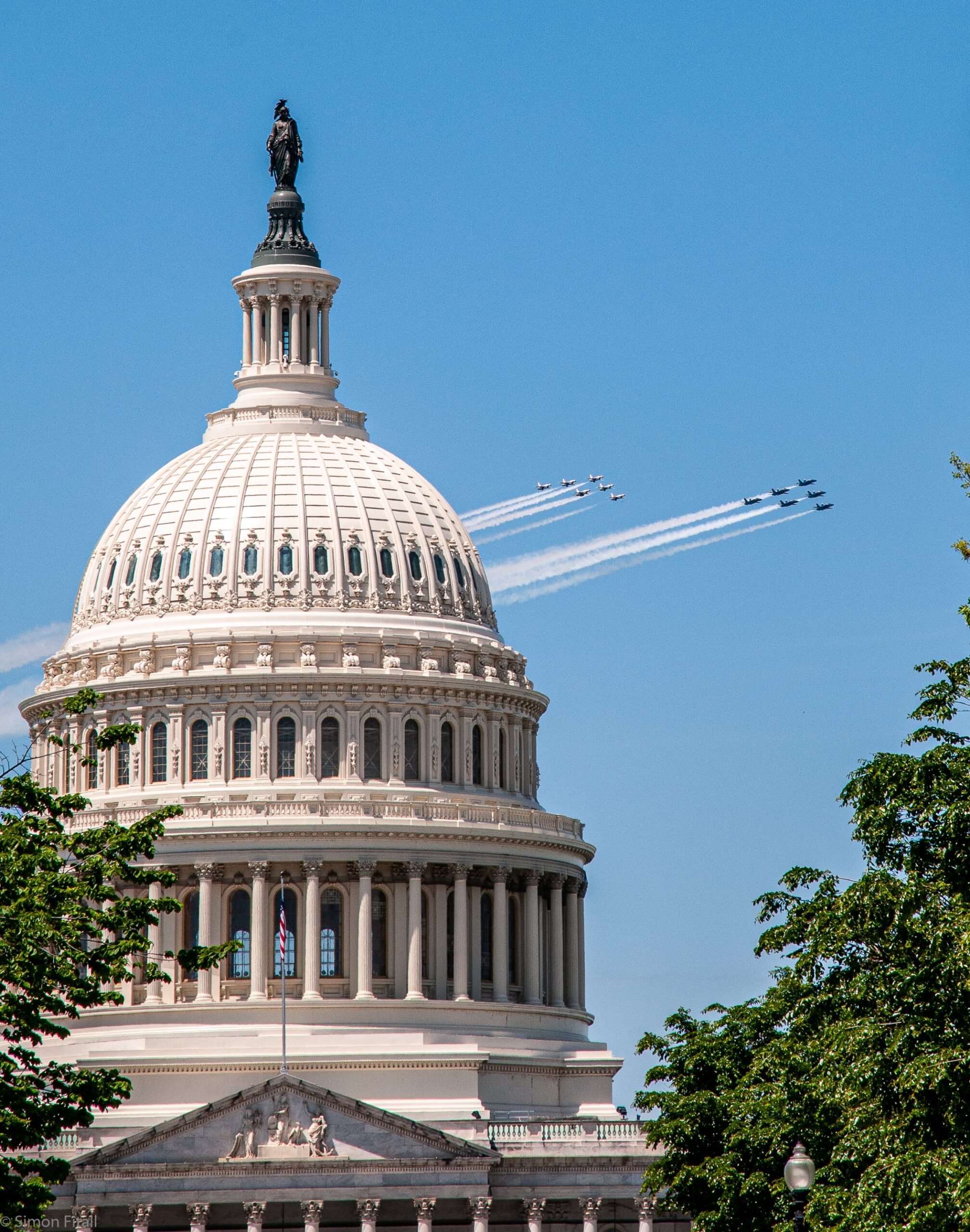
After the unprecedented attack on the US Capitol on 6 January, Twitter has suspended the account of the former president Donald Trump. In the following days, Google and Apple removed the increasingly growing and right-leaning social media platform Parler from its stores. On January 11th Amazon has denied to it hosting services.
These decisions followed the extremism and violence of protesters; however, the actions of BIG-tech companies might set a precedent for censoring free speech on social media. Today everyone is concerned that private companies may exercise their power over human rights and whether such methods are necessary to stop the proliferation of violence.
The legitimacy of human rights
Since its inclusion in the Universal Declaration of Human Rights, the right to freedom of opinion and expression has been considered as an undeniable human right necessary for individual development. It’s been a foundation stone of democratic society, too. The American constitution itself reflects this principle in its First Amendment and protects “freedom of speech, the press, assembly, and the right to petition the Government for a redress of grievances”. But here is the thing, it defines your rights against the government not against a private company. On the contrary, platforms have an editorial policy and decide independently what to take down.
The right-wing Parler
Parler was set up in 2018 to offer a free-speech driven alternative to mainstream social platforms. Indeed, it became popular thanks to the flood of people searching for a locality to express their thoughts, after being censored and/or banned by Twitter and Facebook. Parler in its turn has a more relaxed approach to content moderation – it ensures its users that they can post without any fear of being de-platformed for one’s views, restricting only criminal activity and spam. Parler became the most – downloaded app in the US after the election, since other platforms suspended users which attempted to spread disinformation about the election results.
Big tech in action
In the days before the Capitol riots, the discussion on Parler became significantly violent. Apple received numerous complaints regarding unwanted content and thereafter requested Parler “a moderation improvement plan within 24 hours of the date of the message”, meaning that otherwise the app will be suspended. The message from Apple stated that the app “was used to plan, coordinate, and facilitate” the attacks on the US Capitol.
Soon after Google issued a similar ultimatum, requesting to address “this ongoing and urgent public safety threat.” Being the most popular social platform for right-wing users didn’t keep Parler away from the BIG-tech’s vigilance. Following the example of Apple and Google, Amazon gave Parler 24 hours to find a new host, otherwise, the app would be suspended for not complying with content – moderation rules.
Impulse to protect
The Tech Giants justify their actions as a necessary way to ensure that violent content is not promoted on their platforms. Under a life-threatening situation, the interest of public safety demands actions that can ensure it, in this case, to deny a platform through which a violent message is being sent. The impulse of the Big Tech to stop the spread of violence is not only understandable but also healthy – emergencies force societies to choose between liberty and security.
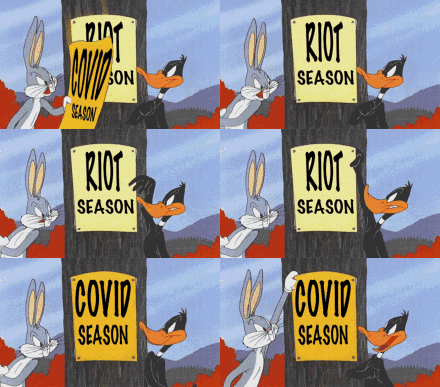
Nevertheless, the actions of Big tech companies represent a violation of rights to those concerned about the freedom of speech and expression; a debate they will go on beyond the Trump presidency. Even if perfectly legal, those actions do not look legitimate for human rights defenders.
Why we should allow hateful speech…
Moreover, the attempt to clean up the scene doesn’t guarantee the execution of violence in the forms of ideas and provocations. Considering the 74 million people who voted for Trump and the fact that the riots were grown and based on the rejection of Trump’s defeat, it’s reasonable enough to say that the banning is likely to be counterproductive. Pushing the movement underground will only make it more fanatical, whereas mainstream platforms allow users to address hateful speech, express disagreement, and respond.
In a world where free speech is considered an initial basis, people also distinguish whether it’s public or private sector restricts the rights for the sake of security. Corporate – led crackdown can silence the speech that may be relevant and should be allowed. Overall, world history has confirmed the wisdom of free expression. And we must not forget that silencing important public discourse is never a method to solve core issues.
To keep up to date with the latest commercial news, click on commercial awareness to get your daily dose.
Donate & Support