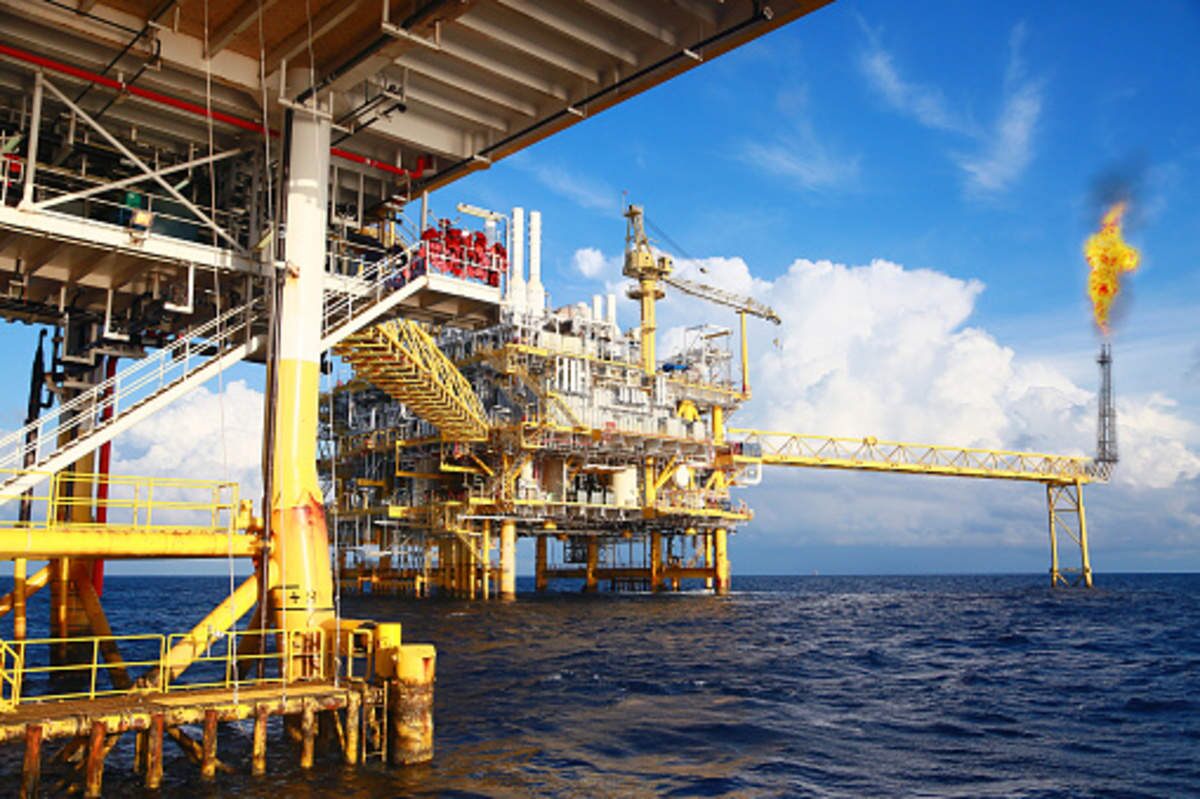
After the Covid-19 pandemic hit, the oil demand decreased rapidly. In response, the major oil producers have cut oil production, choosing to limit supply until the global economy recovers. In 2020, the OPEC (Organization of the Petroleum Exporting Countries) and partners like Russia cut output on 9.7 million barrels a day. Despite a significant recent price surge, the OPEC and allied producers said they plan not to increase production during the month of April, expecting the market to become more stable.
Indian changes its suppliers
In response, some state-run refiners turned to other markets in an attempt to maintain the supply-demand equilibrium. For instance, Indian state-run refiners including Indian Oil Corp, have stated that they are planning to cut purchases from Saudi Arabia in May and buy more from the US and on the spot market.
According to Reuters, OPEC’s share of India’s oil imports fell to 78.3% in 2019/20, which constituted the lowest level in at least 19 years. New Delhi has repeatedly called for OPEC+ to pump more crude to stop prices from rising too high, but it has caused no particular reaction other than the opposite.
As data suggests, the purchases from Saudi Arabia dropped 36% in January month on month, while U.S. imports more than doubled. The low-sulfur American oil has processing advantages over the heavier and more sour Middle Eastern varieties. Bloomberg reported earlier that Indian state-run refiners planned to cut purchases from the kingdom by a quarter to about 10.8 million barrels in May.
Benefits for other markets
The shift highlights how other producers profit from the OPEC’s cuts as consumption gradually returns in markets like India, which is the world’s third-largest oil market. The US producers are not the only beneficiary, but also Nigeria, for instance, as it has witnessed an increasing demand in its production. A country’s priorities in terms of suppliers also depend on the kind of resource needed.
Shifts in needs
As people give preference to private vehicles amid the Covid-19 pandemic, the overall demand for diesel is recovering. But in India, the demand for diesel has not yet shown a significant increase, while the demand for gasoline and liquid petroleum gas for cooking has surged compared to 2020. Leave aside the jet fuel consumption which is still half of what it was two years ago as most international routes remain shut.

Consequently, the demand by preferences shapes where India is sourcing its barrels. The Middle East oil tends to yield more diesel, while crude from Africa and the U.S. produce more LPG and gasoline. Practically, the crude imports from Nigeria in December 2020 jumped 68% from the previous year, while U.S. oil purchases surged almost 77%, according to government data. As a result, the US becomes India’s second-biggest oil supplier, whilst Saudi plunges to the fourth spot.
Future of oil
The pandemic has destroyed almost a third of global oil demand, hitting the oil sector already at the peak of its crisis. Big oil companies lost billions of dollars in 2020 because of the pandemic and face multiple questions about how to adapt to climate change and regulations.

Assuming that once the pandemic is over and the economy will recover, oil demand will come back. But the fact that the world takes action on climate change suggests that oil demand sooner or later will start going down, in fact, it might have peaked already.
To keep up with the latest commercial news, click on commercial to get your daily dose.
Donate & Support