Oil companies have been highly profitable for over a century, drilling on almost every continent and in deep oceans and driving the global economy on fossil fuels. The biggest oil companies, known as Big Oil, BP, Chevron, Eni, ExxonMobil, Royal Dutch Shell, Total, and ConocoPhillips, have been shaping international politics and economies exclusively.
But after experiencing the worst financial losses in decades, the oil companies appear humbled by the pandemic-caused oil economic shortages. The oil companies these days are not aware of their future being under public and governmental pressure which are looking to focus on sustainability, curb greenhouse gas emissions and achieve the Paris Agreement goal to limit global temperature rise to less than 2 degrees.
When in the past oil industry faced difficulties, it was able to cut costs and recover, postpone investments and wait for an upturn. However, this time can be different on account of deep changes in energy demand economics and in the global society priorities itself.
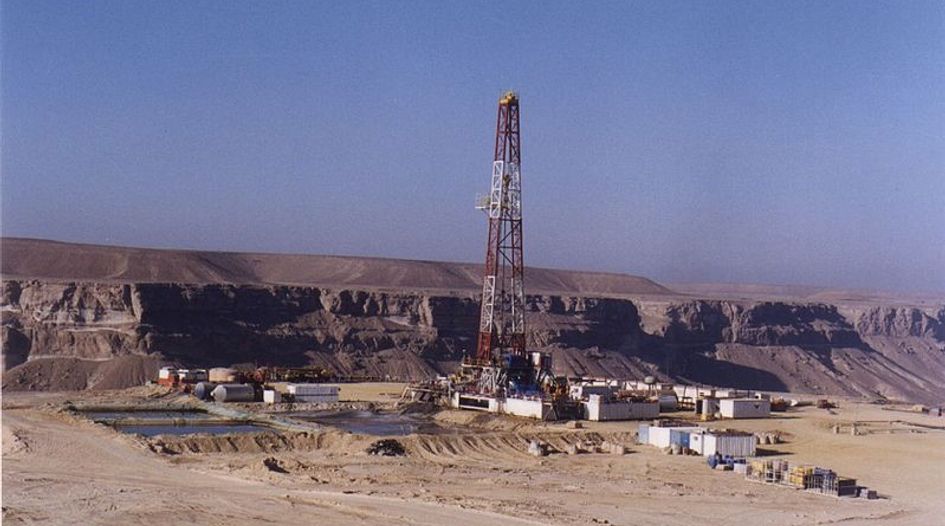
National oil companies
State-owned oil companies are about to invest $400 billion in projects that are profoundly incompatible with the Paris Agreement. NOCs now produces half of the world’s oil and gas; at this rate, they alone will account for most of the amount that the oil industry as a whole could extract if the world is to keep emissions under the Paris Agreement. However, NOCs are planning to further increase the production, if demand recovers after the pandemic.
This future will affect various NOCs differently. Some, notably in the Middle East, are in a relatively good position due to their access to cheaply exploited reserves. Others are in worse positions. NOCs in Angola, Colombia, and Mexico have high project costs, and their new potential projects wouldn’t survive a dramatic shift away from fossil fuels.
In countries like Nigeria, Russia, and Turkmenistan, the amounts that NOCs are investing in oil projects exceed governments’ annual health budgets. But, unlike international oil companies like Shell or ExxonMobil, national oil companies do not face much pressure from shareholders and analysts. Shortly, many NOC leaders will likely seek to maintain their market positions rather than changing business plans.
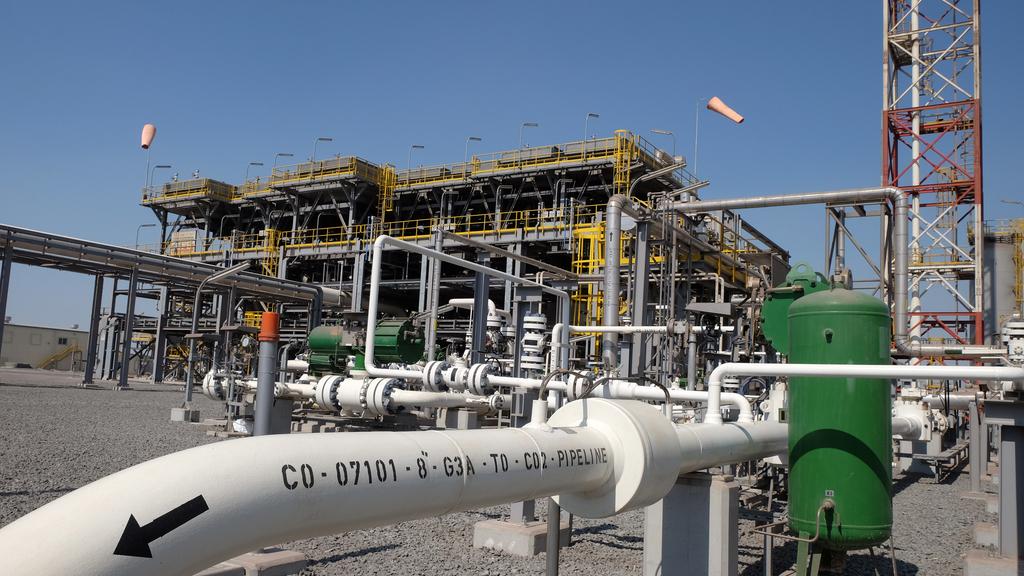
Pandemic crisis
The pandemic has destroyed almost a third of global oil demand, hitting the oil sector already at the peak of its crisis. Big oil companies lost billions of dollars in 2020 because of the pandemic and face multiple questions about how to adapt to climate change and regulations. The pandemic significantly reduced the demand for gasoline, diesel, and jet fuel as countries locked down and people stayed home for months.
Exxon Mobil, BP, and Shell reported losses for the year equal to $22.4 billion, $20.3 billion, and $21.7 billion respectively. After the losses on the value of their oil assets and dismissing tens of thousands of workers in 2020, Big Oil may never again dominate the global economy as they did just a decade ago.
Transition
Investors have already partially turned away from the sector even before the pandemic crisis, being motivated by fears that the demand growth is weakening due to the rise of ethical, social, and governance-led debates. The industry is slowly and dispersively transitioning to a future dominated by cleaner energy. For example, BP, Royal Dutch Shell, Total, and other companies are investing resources in wind and solar energy while reducing oil extraction.

In terms of transportation, which consumes over a quarter of natural resources in general, electric vehicles may dominate by 2030. Due to major improvements in the cost and efficiency of electro-mobile batteries, the cost of ownership for electric vehicles could drop sharply, pressuring the price of fuel for internal combustion engines. Alongside, analysts say, that carbon taxes could increase prices of oil by $3 to $8 per barrel of oil, changing the costs for the machine industry as well as for consumers. The changes within the sector appear to be decisive. For example, General Motors announced it aims to go away with internal combustion engines and sell only electric cars by 2035.
Nonetheless, assuming that once the pandemic is over and the economy will recover, oil demand will relatively come back. The developing countries in an attempt for industrialization will especially account for fossil fuels, while national oil companies alongside invest in extraction projects, keeping the industry well alive for some decades. But the fact that the world takes action on climate change suggests that oil demand sooner or later will start going down, in fact, it might have peaked already.
To keep up with the latest commercial news, click on commercial to get your daily dose.
Donate & Support