By Abubakar Shoaib
Your commercial awareness dose!
The term renewable energy is used to define energy which can be used repeatedly and is a sustainable mode of energy. Renewable energy has four major subsets which include solar, geothermal, hydro, and wind. Due to the scarcity principle, most of the fossil energy such as coal, oil, and natural gas are depleting day by day. Thus, most of the countries are shifting towards renewable sources, and some have already shifted due to high environmental concerns attached to fossil energy.
From 2004 onwards, renewable energy capacity is upgrading at the rate of 10-60%. In just 2005, investment in renewable energy rose by 5%. This modern type of energy has several impacts on the economy, environment, and social aspects. According to the World Economic Forum, energy impacts economic activity in two ways. Firstly, it provides jobs and adds value in the initial stage of extraction.
Secondly, it has a ripple effect on other indicators of the economy. Countries now focus on economic growth while eradicating emissions. Development in renewable energy increases global GDP. According to the research of the International Renewable Energy Agency (IRENA), renewable resources have the potential to increase the GDP by $1.3 trillion by 2030. Countries that are mainly oil-based economies may suffer from a reduction in their exports in the long run. Energy resources need regular investments to scale up. Investment can be attracted easily in renewable resources as they are more sustainable than traditional energy resources, which can scale up the GDP.
The importance of these investments is that they are linked to many other sectors, such as manufacturing, construction, and engineering. Ultimately, this ripple effect positively impacts the GDP. Renewable energy also improves the welfare of people – it creates job opportunities for people. Many different types of jobs, including manufacturing, installing, marketing, and many other skilled and unskilled. The shift towards renewable energy resources will shift the dynamics of trade as well. It provides opportunities to economies to meet the demand for the goods and services associated with renewable resources. Due to the capital-intensive nature of the products associated with this energy,
the demand for investment goods will rise, while countries exporting fossil fuels will suffer.
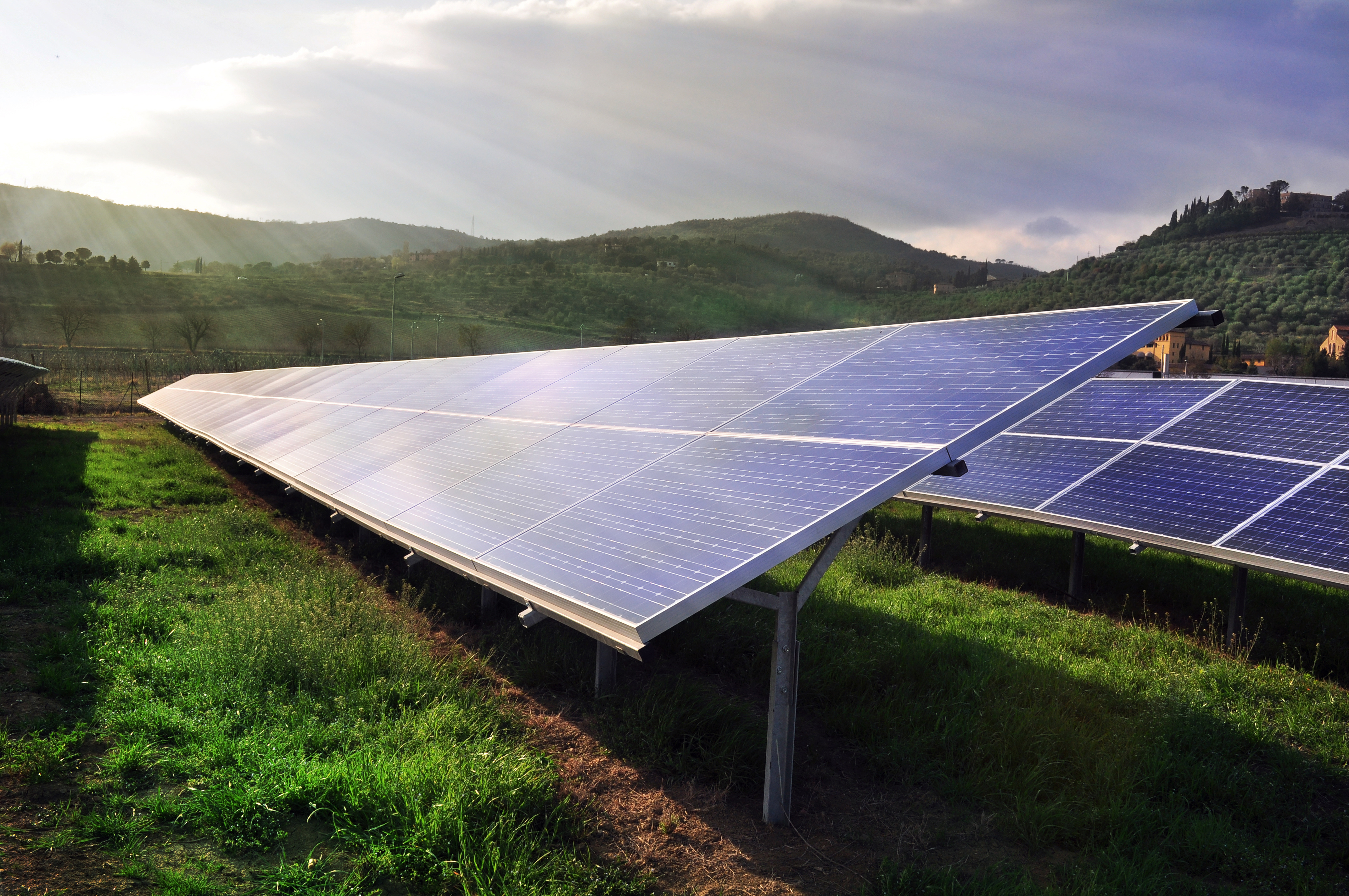
Furthermore, renewable energy is low-cost energy. Solar panels can be installed on houses, thus saving money on bills that can also increase the value of the property. Adding solar panels can accumulate the worth of a house when buying or selling. Farmers and landowners can earn money through the installation of various renewable energy resources such as wind power or biogas plant. Some countries depend on other countries to meet the requirement of their energy consumption.
There are many ways through which renewable resources can be introduced. It can be done through policy makings, awareness, research, and development. Skills associated with resources should also have to be developed through education and training. Domestic capabilities should need to be enhanced for the deployment of renewable. Long-term planning related to the after-effects of going renewable should need to be addressed before implementing the idea. Investment barriers to renewable resources should be eliminated to attract investment.
Donate & Support