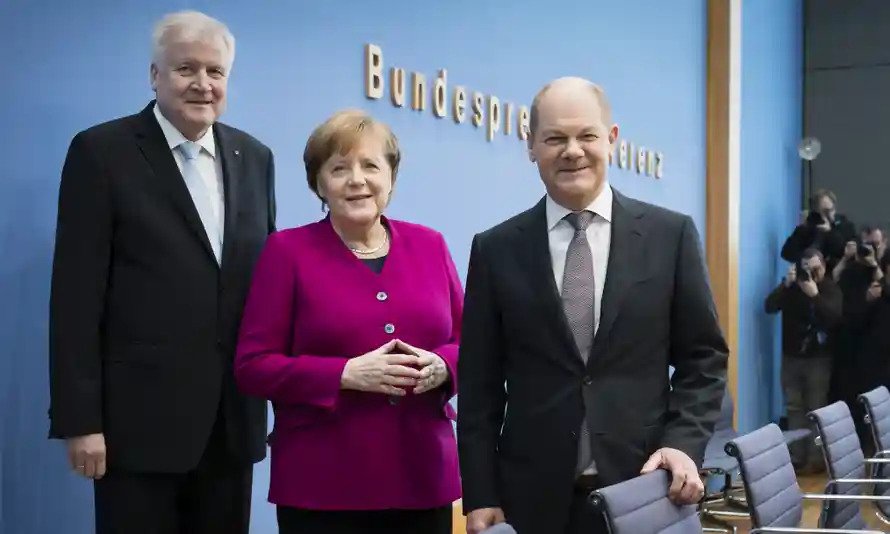
Germany is facing a new modern era as Chancellor Angela Merkel is stepping down after almost sixteen years in the role. The federal elections in September 2021 will determine the new political identity of the country, and Merkel is a tough act to follow.
With a reportedly less-than special successor in the Christian Democratic Union (CDU) party with Armin Laschet, and shifting political trends giving more prominence to Die Grünen (The Green party) and the far-right Alternative for Germany (AfD) party, there could be a shift in German, and European, politics for the next few years.
Merkel, the CDU and Laschet
Angela Merkel has been a dominant leader in German politics for the last sixteen years. The stability of her leadership, along with the conservative policies of the CDU, has allowed the country to sail through crises largely unscathed.
In her premiership, Merkel has taken Germany through the 2008 financial crisis, the 2015 migrant crisis when the country welcomed refugees instead of rejecting them, and the Covid-19 pandemic where Germany has done relatively well, compared to other large economies. While there are benefits to having an already large, rich country, strong leadership is an intangible quality that shouldn’t be taken for granted. Look at the likes of the UK, the US and Brazil at that time.
The shoes of the chancellorship, and leader of the CDU, are big ones to fill, and Armin Laschet has been chosen by the party to do it. He comes across as a safe pair of hands but appears to not have the force of personality of Merkel. He runs on the identity of a reliable everyman: the son of a miner who still lives where he was born, in the countryside near Aachen.
The CDU, under both Merkel and Laschet, adopts a pragmatic wait-and-see approach to its policies, preferring to stay flexible and free to change its mind. It is the only major party to have not released a manifesto for the upcoming elections, leaving some to ask how Laschet plans to cut carbon emissions by 80% before 2040.
Baerbock’s Greens
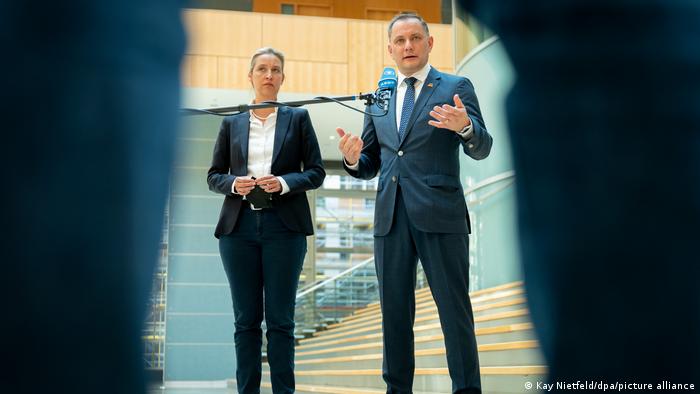
The CDU’s main opposition in the polls is the Green party, with Annalena Baerbock as their leader. Baerbock appeared to be initially popular in Germany, but the more that was learned about her and the Greens, the faster they fell in credibility.
Baerbock recently had to make an embarrassing u-turn regarding her online CV, after there were accusations that she played up her qualifications in international law at the London School of Economics. While it isn’t clear how founded these claims were, they caught the public eye, as public support for her fell twelve points in the wake of it.
While the Green party has shown an ambition to be taken seriously, they have also come off as radical next to the conservative CDU. The party has promised a tax hike on fuel in the country and suggested sending arms to Ukraine in the face of Russian oppression.
While the former policy is typically divisive but not uncommon for green-issue parties, the latter could put German-Russian relations into an uncomfortable position with an inexperienced leader at the helm. There are suggestions that Baerbock might’ve been overly ambitious in some of her rhetoric and policies, and any gain on Laschet early on has disappeared to the safe pair of hands that are the CDU.
Picture
German elections do not operate in the same first-past-the-post way that UK ones do, so there is a greater emphasis on coalition building in the Reichstag. If the CDU does become the dominant party, it is likely to be with a smaller seat-share than under Merkel, and they might have to make concessions to the likes of the Greens. Although other parties have pledged not to work with them, the likes of the AfD might still have a role to play in running politics in Germany post-Merkel.
To keep up with the latest commercial news, click on commercial to get your daily dose.
Donate & Support