By Ulvi Hagverdi.
Your commercial awareness dose!
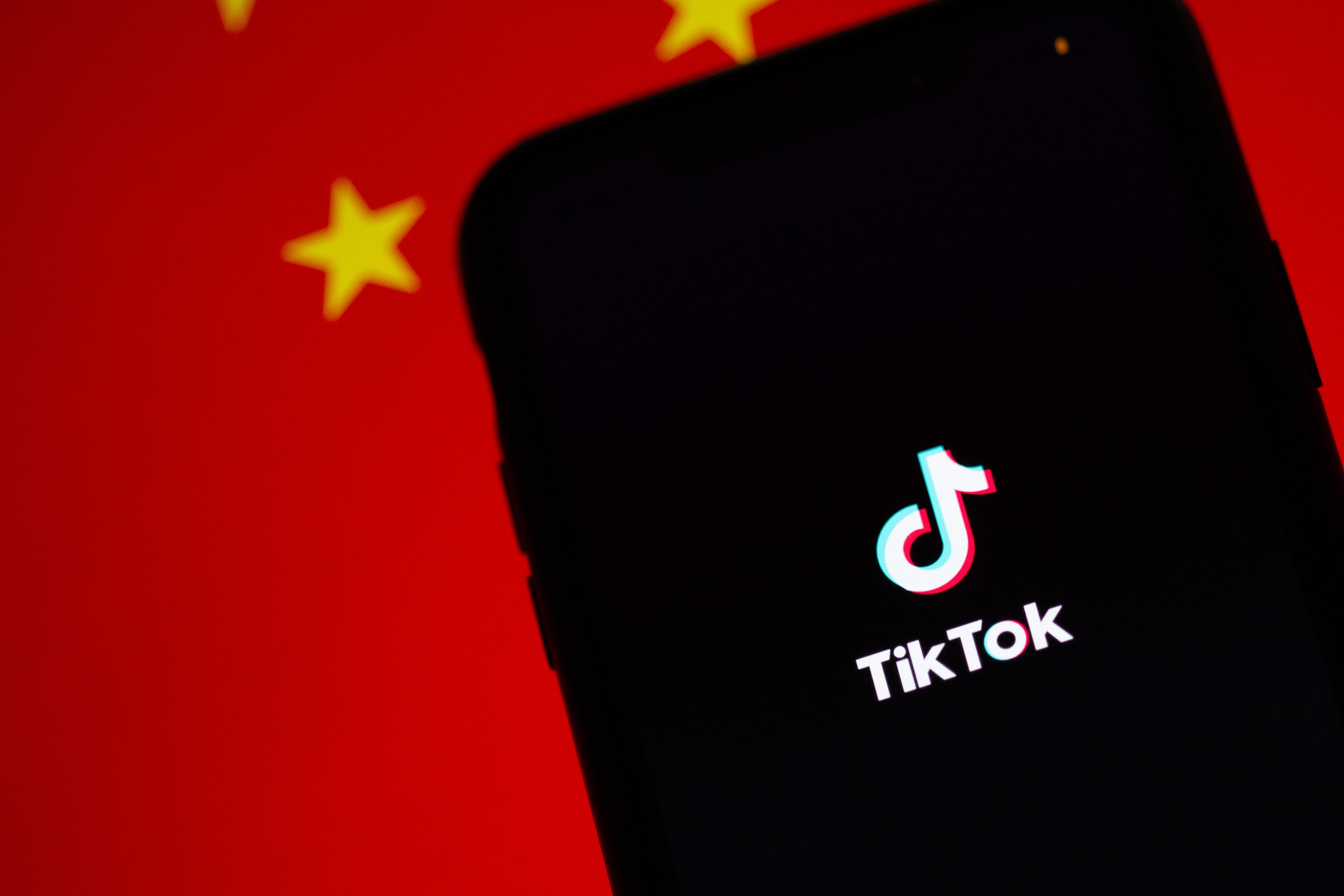
Tiktok, a Chinese video-sharing social networking service owned by ByteDance, is inevitably at the heart of all investment and financial news of the U.S. The rise of its users following consecutive global quarantine rules since March 2020, thanks to its strong A.I. software to determine the video preferences of the users, attracted the attention of the tech giants, such as Facebook, Microsoft and also one specific person known for anti-China ideology – Donald Trump!
The app was launched back in 2012 by CEO Zhang Yiming and expanded to new markets and locations very rapidly in the next years. The software of the app that is used in Chine is called Douyin, which is known for being subject to strict regulation and user data monitoring. Tiktok has a strong presence in a wide range of markets, such as the US, India, Russia and Europe. Particularly, its merger with musical.ly, another online video-sharing tool, increased the application’s popularity and strengthened its software and operation.
The application allows users to upload 15 seconds long videos, usually with a musical background and using filters. The app has more than 2 billion downloads globally, while this number stands for 80 million in the U.S. Since June 2020, Kevin Mayer, who previously was the chairman of Walt Disney Direct-to-Consumer & International, is its CEO and COO of Tiktok’s parent company ByteDance. Ariana Grande, Jennifer Lopez, Ed Sheeran are only a few of the celebrities having a public Tiktok account.
However, as almost every major Chinese company, Tiktok has also been central to controversies and global scepticism. Due to its common use among individuals in Western countries, some institutions in the U.S. have even regarded Tiktok as a ‘Huawei-sized’ problem. The app has been described as “parasitic” and “spyware tool” by Reddit CEO Steve Huffman, while Wells Fargo recently prohibited the use of the platform due to privacy and security concerns.
On a governmental level, The U.S. Navy prohibited Tiktok from all government-issued devices in 2019, and the Australian Defence Force also banned its personnel from using Tiktok on its devices. A more significant warning for Tiktok was issued on July 7, when U.S. Secretary of State Mike Pompeo stated that Tiktok could be banned totally in the U.S.
Following the military clash between Indian and Chinese troops in a disputed territory in late June, Indian authorities banned 59 Chinese related apps in India, including Chinese giants WeChat and Tiktok. According to the Indian government, the decision was enacted in order to protect the data and privacy of 1.3 billion Indian citizens and prevent Chinese apps from stealing and transmitting users’ data to servers outside India without an authorisation.
The most significant decision regarding the fate of Tiktok came on July 31, 2020 – Donald Trump ordered Tiktok’s parent company ByteDance to divest the ownership of the social platform, highlighting a potential ban in the near future in case of non-compliance. Mr Trump has alleged that a potential ban would take place over the fears that American users’ data would be shared with the Chinese Communist Party, although Bytedance insisted on denying such concerns. The U.S. administration perceives Bytedance to be very close with the Chinese Communist Party, due to its Founder’s personal relationship with the Party.
This move gave immediate rise to talks between Microsoft and Tiktok to buy the U.S. presence of the application, considering the fear of ByteDance losing Tiktok in return of noting. Although Microsoft was initially planning to acquire Tiktok’s businesses only in 4 English-speaking countries (United States, Canada, Australia and New Zealand), then the rumours were spread about the acquisition of the whole business operation of Tiktok by Microsoft.
These developments boosted Microsoft’s share price value initially, however, the parties’ failure to come to a mutual agreement decreased Microsoft’s share value gradually. Subsequently, Twitter also announced that it had started talks with Bytedance to acquire Tiktok, while Facebook-owned Instagram released its video-scrolling feature, which is quite similar to Tiktok. At this point, the investment community is closely following any potential progress in response to Tiktok’s presence in the U.S. as it will inevitably have a substantial impact on the global consumer tech market.
Written by Ulvi Hagverdi and edited by Stephanos Christodoulou.
Make sure to follow our social media accounts.
Donate & Support