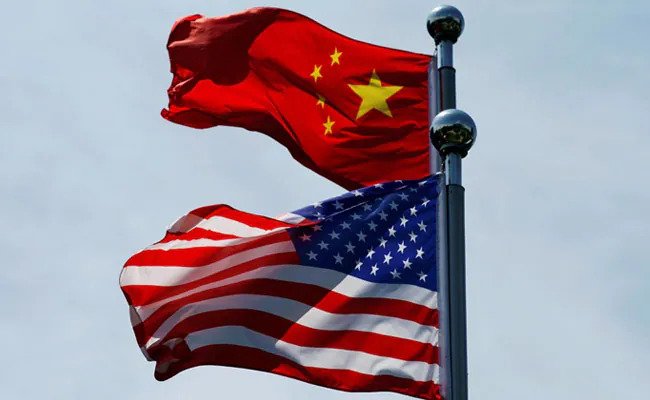
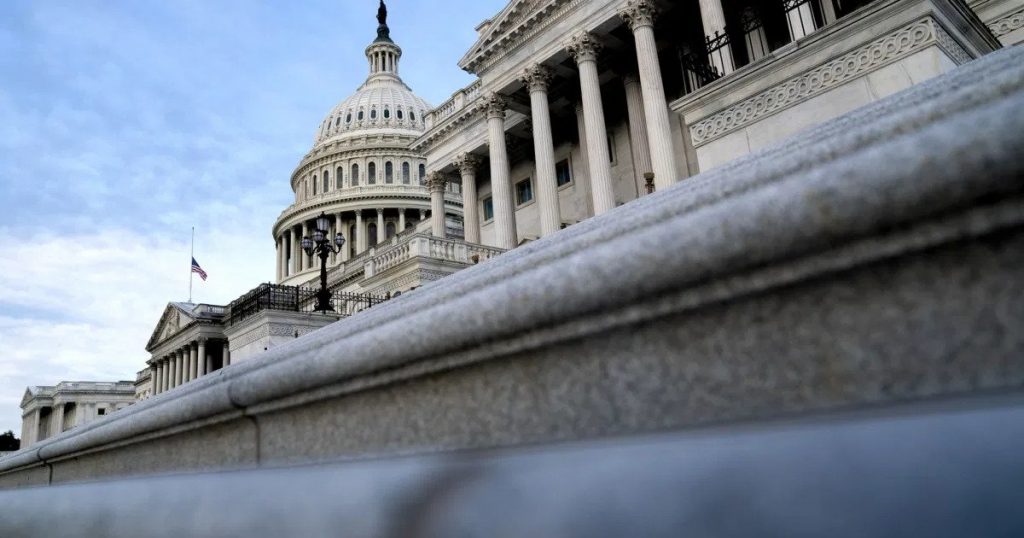
Earlier on the 8th of this month, the US Senate passed a sweeping 2,400-page industrial policy bill that will put a focus on technological developments in the US, to compete with the advances of the Chinese. The outcome of the vote was a huge bipartisan achievement for US President Joe Biden, with a vote of 68-32.
The USD 250 Billion bills itself aims to target different areas of technological development, but a majority of around USD 190 Billion will be pumped into technology and research.
What exactly is the bill intended for?
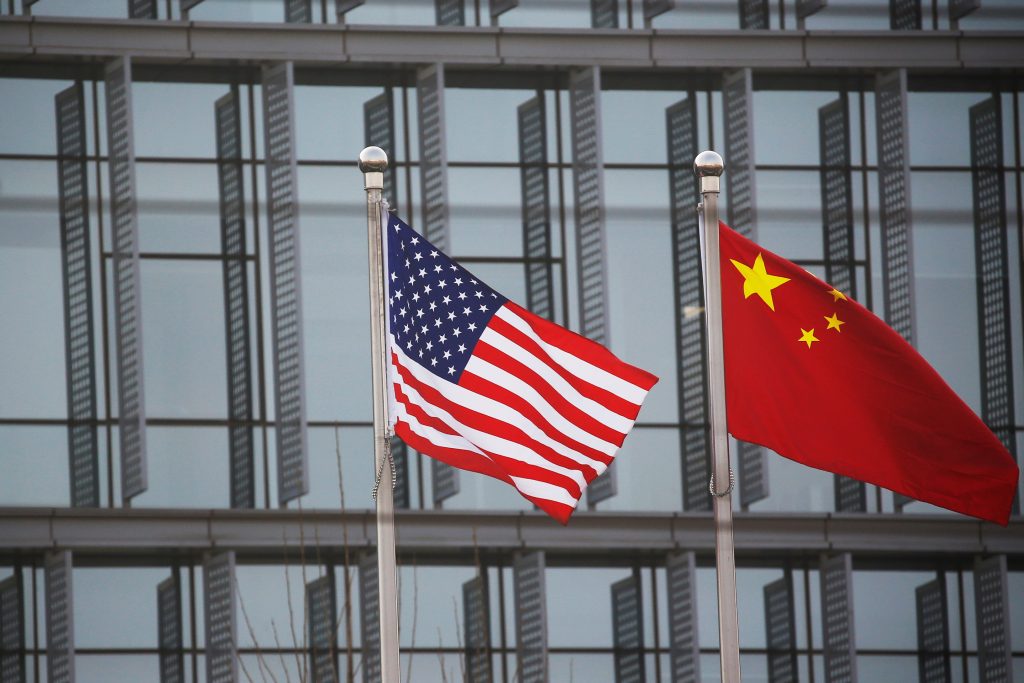
As China quickly makes significant advancements in their technological development, the US Government fears that they may soon fall behind. President Biden stated, “As other countries continue to invest in their research and development, we cannot risk falling behind. America must maintain its position as the most innovative and productive nation on Earth.” The bill will specifically target areas in tech development where the US is falling behind compared to other countries.
The bill will spread around USD 250 Billion across five years, but with hopes for a long-lasting impact on the US’s place as an innovative nation. US Secretary of Commerce Gina Raimondo said in a statement, “Today, the Senate took a critical bipartisan step forward to make the investments we need to continue America’s legacy as a global leader in innovation … This funding isn’t just about addressing the current semiconductor chip storage, it is about long-term investments.”
How will the funds be spread out…?
The total money included in the bill will be spread out across a multitude of departments and areas, most will have the funds spread out over five years. Over USD 50 billion will go towards the CHIPS for America Act (Creating Helpful Incentives to Produce Semiconductors), as the US government plans to rely less on importing them from Asia – Asia currently manufactures 75% of semiconductors which are used in vital items like cars and cell phones.
Around USD 120 billion will be used over five years, the money being used on the NSF, Commerce, the Energy Department, and the National Aeronautics and Space Administration (NASA). Within these areas, there will be a focus on the development of artificial intelligence, biotechnology, data storage and more. The remainder of the $250 billion will go into a variety of departments and areas – all with a focus on combating the Chinese.
Foreign relations will mean a focus on creating and strengthening ties with other nations in Asia aside from China, to have mutual goals of countering the Chinese Communist Party (CCP). There will also be plans to pressure the PRC over human rights issues, such as the mistreatment of Uyghur Muslims in Xinjiang province. Cybersecurity will also be a large focus, in particular looking at combating cyber-attacks from the Chinese.

The bill is yet to reach the White House
It is being said that the bill could take weeks to make it through congress, as the U.S. House of Representatives lawmakers are planning and writing their legislation. House Democratic Majority Leader Steny Hoyer said in a statement, “I think the House committee – or committees – have views that they want to express … I don’t think there’s anything nefarious about it. I hope that we will move forward with a bill.”
There will be negotiations taking place before the bill can move forward and eventually make its way to the White House to be signed by President Biden. When the bill does make it to the White House and is passed, it will be a “once-in-a-generation investment in American science and American technology,” according to Senate Majority Leader Charles Schumer.
To keep up with the latest commercial news, click on commercial to get your daily dose.
Donate & Support