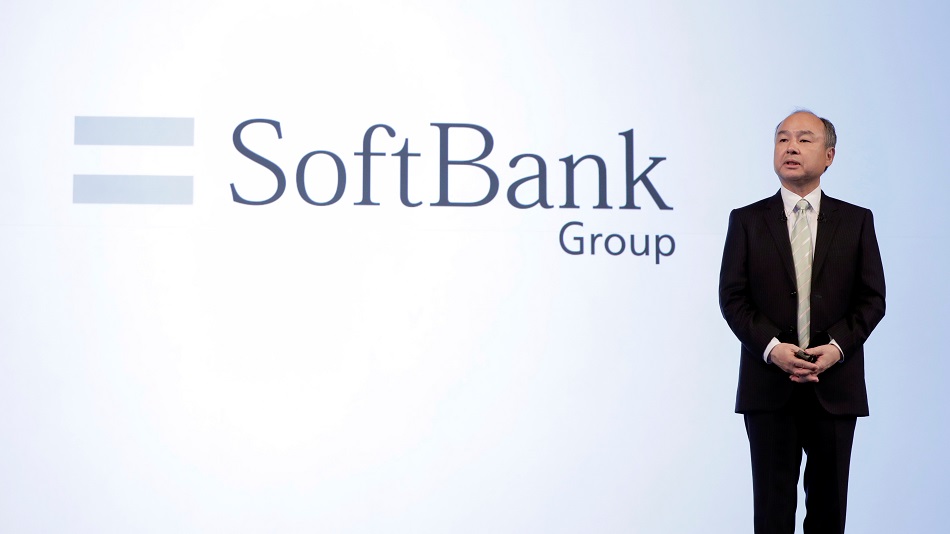
With a current net worth of ~US$47 billion, tech businessman and investor Masayoshi Son is the second-wealthiest person in Japan. As the CEO of SoftBank Group Corp. both Son and his company have been making recent headlines, and here’s why.
How it started…
In 1981, 24-year-old Son founded SOFTBANK Corp., a software distributor turned publishing company that IPO’d in 1994 at a valuation of US$3 billion. The 1990s were a crucial period for SoftBank as Son expanded into more and more capital and Internet ventures. In 2000, SoftBank invested US$20 million into Alibaba, which paid off 3 thousand times over (US$58 billion) in 2014 when Alibaba went public.
This set the precedent for SoftBank’s alliance with Apple in the late 2000s and paved the way for its acquisitions to follow in the next decade. In 2010, the group acquired a 13.7% stake in Ustream, and in 2013, it closed the largest foreign acquisition deal in Japan’s history when it bought 78% of Sprint Nextel Corp. for US$21.6 billion. In 2020, Forbes ranked the conglomerate #66 on its list of the world’s largest public companies, placing it above BMW Group and P&G.
Today, SoftBank Group Corp. is a large conglomerate holding company with stakes in various tech, energy, and financial firms, with a particular focus on mobile telecommunications via SoftBank Corp. (formerly known as SoftBank Mobile) and investments in tech companies via its Vision Fund, which started in 2017. Some of the group’s current subsidiaries include WeWork, T-Mobile US, and Yahoo! Japan.
Risky Business
Up until now, SoftBank’s investments and partnerships have been bold, but strategic. Yet in September of last year, Son’s US$100 billion Vision Fund put an end to that, and a succession of high-risk investments in emerging tech startups (US$4 billion in shares and US$4 billion call options tied to US$50 billion total in tech stocks) followed suit. This strategy of flooding tech startups with VC money rewrote the valuations of these startups on the stock market. And then it backfired.
In September of last year, the Financial Times commented that instead of “acting like a visionary technology investor, the group is behaving like a hedge fund“. SoftBank shares dropped 8%, and far from generating high returns, these investments cost Son ~US$10 billion, which begs the question: was this the right strategy during a pandemic where “The Great Lockdown” left the world economy in shambles? Needless to say, derivatives and downturns don’t mix well.
Following September, however, SoftBank has enjoyed some return on its investments – US$53 billion to be exact. This capital has allowed the conglomerate to buy back billions worth of shares. The pandemic helped with this: higher demand for online services meant higher valuations for SoftBank’s tech-related assets. As it turns out, Son’s investment strategy hadn’t entirely failed.
A New Vision
Albeit not without its risks, SoftBank’s new and unconventional VC investment strategy is leading the way for Silicon Valley investments. This March, Z Holdings Group, which is backed by SoftBank’s Vision Fund, announced that it will acquire certain startups in the Fund to create synergies, not unlike those produced by Facebook’s acquisition of Instagram.
FT reported that the group aims “to create a south-east Asian rival to tech giants in the US and China”, and, with Son’s resources and experience, this is not unrealistic. Z Holdings has already merged with Line (currently renamed to A Holdings) and has pledged US$4.7 billion to hire 5,000 AI engineers in the next five years. If successful, this shall be a transformative venture for tech and investing as we know it.

All in all, aside from being an already well-established leader in the tech industry, SoftBank seems to have an increasingly powerful influence on the global capital market and, with its Vision Fund 2, we can expect it to pave the way for fintech investment trends shortly – a future nonetheless blurred by great uncertainty. Ever since SoftBank sold Arm to Nvidia and started investing at a rate even Sequoia couldn’t imagine, coupled with the fact that nobody knows who the successor to Son’s position will be, SoftBank seems to be clouding its future. Yet if Son won’t tell us what will happen next, then time certainly will.
To keep up with the latest commercial news, click on commercial to get your daily dose.
Donate & Support