
Producing a vaccine is complicated. It is necessary to have the right to produce the substance itself, which is protected by patents. It is also necessary to know how the vaccine is produced, the technology behind which can be highly complex.
Exempting COVID-19 vaccines from Intellectual Property rights has been a divisive topic during the coronavirus pandemic. Understanding some context regarding this debate will be useful in examining whether such blocks will facilitate global access.
1. India and South Africa ask WTO to suspend Intellectual Property rights:
In October, South Africa and India asked the World Trade Organisation (WTO) to allow member countries to waive intellectual property (IP) rights, including patents related to Covid-19 vaccines and other technologies for the duration of the pandemic. They asked for the waiver to remain in place until most of the world has been vaccinated against Covid-19.
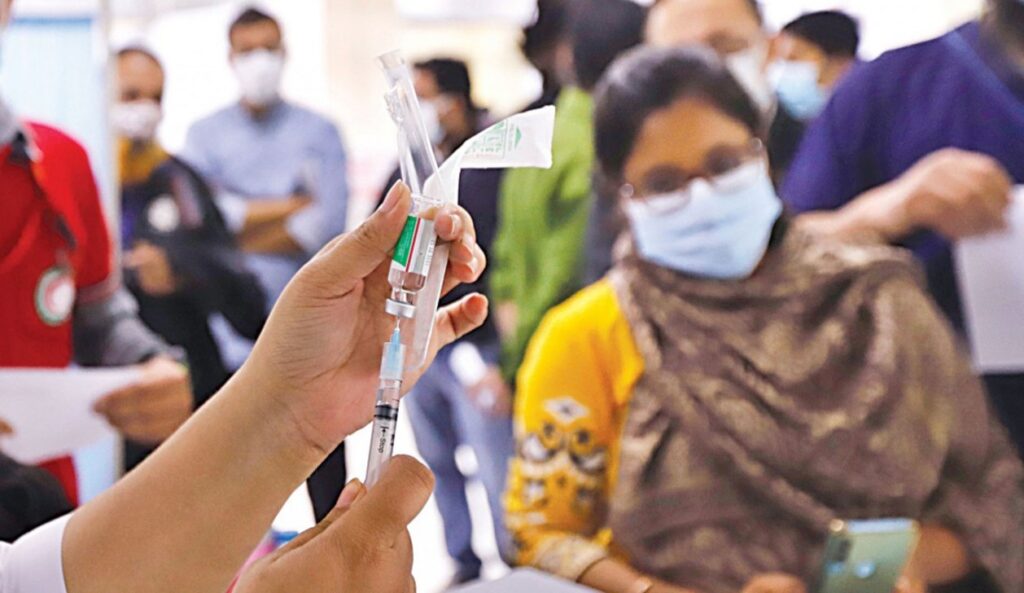
They drew upon previous examples from the coronavirus pandemic to illustrate intellectual property rights hindering or potentially hindering timely provisioning of affordable medical products to the patients. For example, it was reported in March that Kentucky Gov. Andy Beshear called on 3M to release patent for N95 respirator, describing the challenges of obtaining personal protective equipment such as N95s, surgical masks, gowns, and gloves.
2. Pharmaceutical companies respond to India and South Africa’s letter:
On the 5th March 2020, a letter by PhRMA, an organization representing leading pharmaceutical companies was written to Joe Biden. The letter, which was signed by 31 companies including AstraZeneca, Pfizer, and Johnson & Johnson criticized India and South Africa’s attempt to suspend intellectual property rights.
In the letter, they stated that consistently producing a vaccine on a global scale is a “massive undertaking” which requires “specialized experience, expertise, and equipment.” They stated that the reason behind the success behind the vaccines is due to the IP rights, claiming that these rights have been necessary not only to speed the research and development of new vaccines but also to facilitate sharing of technology to scale up and meet global needs. This is because many of the pharmaceutical companies are working with other manufacturers and have entered into licensing agreements.
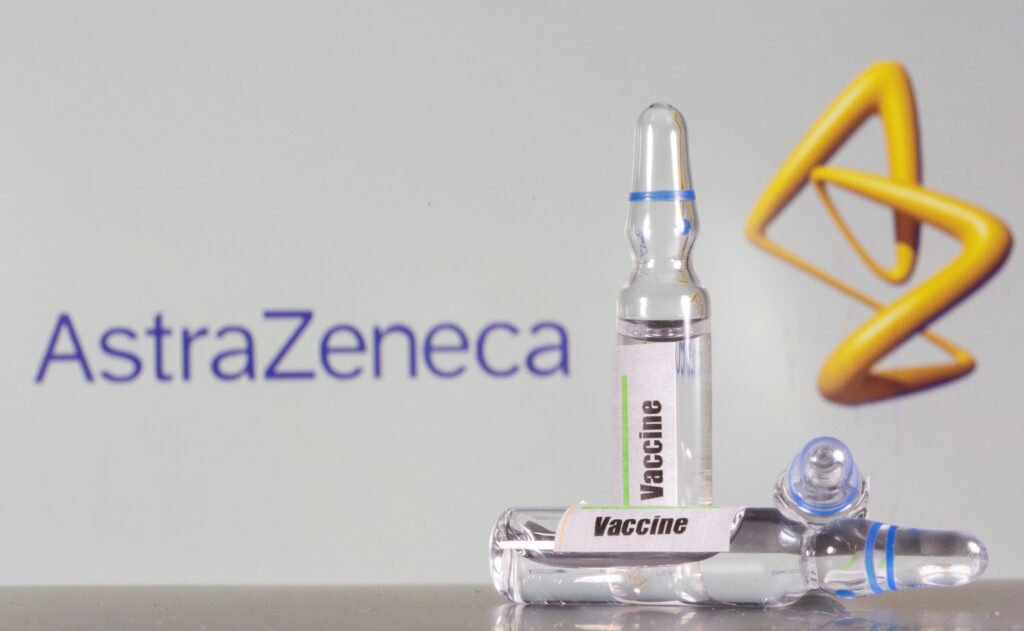
They argued that eliminating the IP rights would hinder the global response to the pandemic and create both “confusion” and a “barrier to information sharing”. Finally, they concluded that in requesting the waiver, India and South Africa are acting “without evidence” and hinting that they have no grounds to believe that the waiver would facilitate global access.
Some questions arise here. On the one hand, it is possible that these are the true beliefs of the biggest pharmaceutical companies in the world and they are indeed committed to facilitating global access. On the other, it must be remembered that these companies are businesses, and likely looking to seek to capitalize on their vaccines once the pandemic is over. They cannot be unbiased in this debate and it would be in their financial interest to retain IP rights to boost prices once the pandemic has concluded.
3. How have other countries responded?
As it stands, it appears that rich countries are continuing to block the India and South Africa proposal. India and South Africa managed to garner support from more than 100 countries, but in a round of talks that took place in February, some countries are have repeatedly delayed it from advancing beyond a council that discusses trade-related restrictions. These countries include the United Kingdom, the United States, and Switzerland and are home to major pharmaceutical companies. The argument remains the same: waiving the IP rights would not facilitate global access since many developing countries lack the manufacturing capacity to produce the vaccines.

4. The debate continued:
In January, Mayor Bill de Blasio, 109th mayor of New York City published a news opinion piece on NBC. In his article, he argues that there is no place for intellectual property in a global pandemic. He implies that IP rights are a barrier to global access.
5. Are IP rights the problem?
In short, there appears to be no conclusive evidence that waiving IP rights would allow for global access to the COVID-19 vaccines. The sheer complexity of vaccine production means that IP rights have little to no impact on accessibility for developing countries. IP rights allow for the transfer of trade secrets, technology, and data between pharmaceutical companies and it is these partnerships that have proven to be the most efficient way of increasing production. Finally, while it would not be accurate to depict pharmaceutical companies as entirely altruistic, it would also be harsh to suggest that their only concern is financial gain post-covid.
To keep up with the latest commercial news, click on commercial to get your daily dose.
Donate & Support