
Merger agreements in the post-pandemic era face serious struggles as buyers and sellers are in difficult positions.
In the midst of the COVID-19 crisis, business leaders around the globe focused primarily on continuity concerns. M&A operation around of the planet has undergone an unsurprising downturn in this climate.
After the outbreak of the pandemic, we have seen several M&A transactions halted or stopped, whereas a few transactions – especially in industries less impacted by the pandemic – pushed ahead, even via auction processes.
One particular deal that has been affected is LVMH’s planned takeover of Tiffany & Co. The US jewellery company that Bernard Arnault agreed to buy in November – before the outbreak of the coronavirus pandemic – is now in the front and centre in the deal-making business.
Bernard Arnault, Europe’s richest man, has remained silent lately and consequently, investors and hedge funds are scrambling for hints of his tactics. The target company, Tiffany & Co., he agreed to buy for $16.2bn late last year is also convinced that he’s up to his usual tricks.
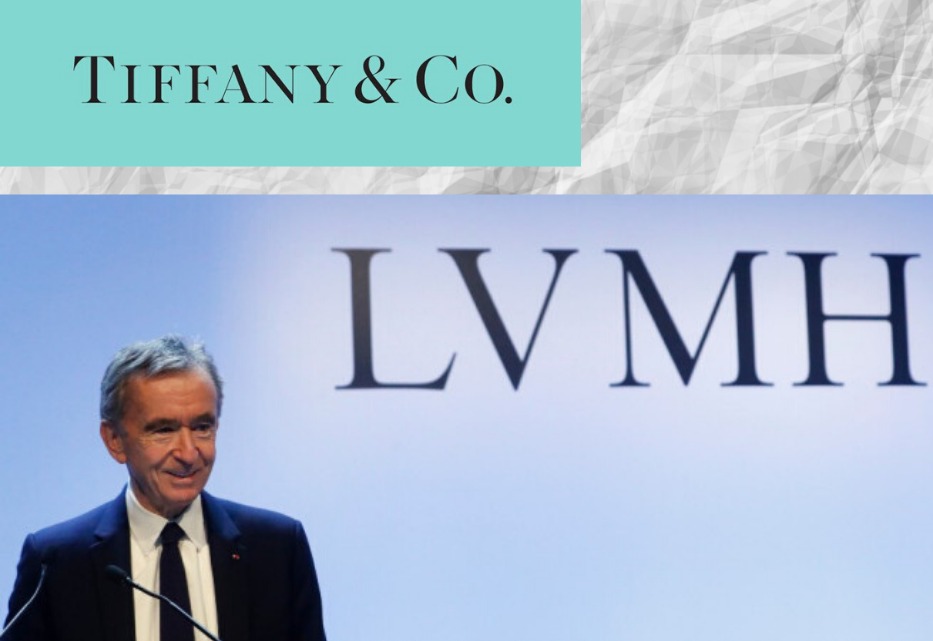
It is believed that Arnault might hold specific frustrations: after the coronavirus outbreak, Tiffany managed to pay his dividend as well as pay his rents, indicators of cash flowing from the company that Arnault wanted to protect.
It’s only reasonable that a master dealmaker like as Arnault, who some thought had overpaid for Tiffany at the time, would look to reduce his $135-a-share purchase price.
There’s only one problem: Arnault is locked into a tight merger agreement that doesn’t even give him the opportunity to walk away from the deal by paying a break-fee.
If LVMH wants out of that deal, it could only achieve it through the Delaware Chancery Court, where it would need to prove that the target has breached the merger agreement.
This would be a very difficult thing to prove but also it would like to force Arnault to take the stand. However, for a man whose career is built on crafty dealmaking, that’s probably not a position he’d like to find himself in.

A question arises when you want to fight the battle but you don’t have enough leverage. What do you do then? Simply; you create it.
That is what people following the transaction closely say Arnault and LVMH are doing. First with a very specific and clear well-timed story in trade publication WWD regarding concerns over the deal among its board of directors and now with a completely hazy statement issued by LVMH.
The net effect of the drip, drip, drip is to sow doubts among Tiffany shareholders that the deal looks shaky. Those investors, including many hedge funds that arbitrate the spread between the current share price of Tiffany and the offer of $135, would then put pressure on the board to ensure that a deal is made even if it means accepting a lower price.
If that is the strategy, it seems to be working. So far Tiffany shares have dropped about 10 per cent since Monday as they closed at $114 each on Thursday. LVMH could have used its statement on Thursday to restore confidence in Tiffany’s share price, but it chose not to.
However, most intelligent hedge funds have come to the same conclusions following this trade. Investors are an extremely strange bunch and Arnault is an expert of mind games dealmaking. We expect the noise from here to catch up. The ‘wolf’, as his nickname is, is on the hunt and he doesn’t like losing.
Donate & Support