
By definition, a bond is “a fixed instrument that represents a loan made by an investor or a borrower“. Typically, the investors in question are usually corporations and or governments. Bonds are used by corporations, municipalities (a town or district with local government), states, and sovereign governments to have the funds to facilitate projects and operations that would be in the aid of the investors.
The detailing behind bonds is inclusive of the date which the loan is said to be paid off to the bond owner and it usually includes an agreement of how much interest will be paid by the borrower.
What is bond?
Bonds are components of corporate debt issued by companies and assessed on the foundation of tradeable assets. Bonds are commonly referred to as ‘fixed income instruments’ due to bonds traditionally being paid with a fixed interest rate to the debtholders; bonds are one of three asset classes which individual investors are familiar with, alongside equities and cash equivalents.

Fixed interest rates are no longer as common as they used to be. A more contemporary approach to the interest rates of bond repayments is either variable or floating interest rates which means that the rate of interest coincides with the current market.
The corporate bonds
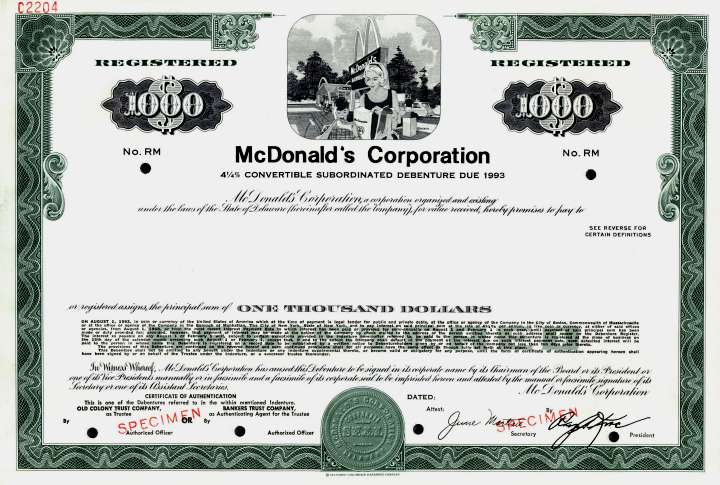
Investment-grade corporate bonds are usually issued by established companies that are not viewed to be likely to go back on their repayment. Most companies opt for corporate bonds to enhance their cash; this cash is often too large to simply take a loan out through the bank. The reason for an enhancement in cash could be for one of many reasons, inclusive of mergers & acquisitions (M&A), business expansion, property funding, or hiring employees. Corporate bonds can be purchased on the primary market via a brokerage firm, bank, bond trader, or broker.
The pricing of corporate bonds is largely affected by inflation and interest rates. An increase in inflation is unfavorable for bonds as it deteriorates the value of money over time as well as reducing purchasing power. If inflation is predicted to increase, interest rates have to follow suit to keep inflation as close to the target level as possible. In the same breath, an increase in inflation could also result in a new corporate bond being issued by the original company to compete with alternative investments. It is worth noting that this is not always likely and is largely dependent on the increase in inflation.
The role of government
Governments of all levels also commonly use bonds to facilitate government spending and obligations which are inclusive of societal institutions and infrastructure. Sometimes there is the sudden expense of war which may demand an immediate raising of funds. Unlike corporate bonds, government bonds are not subject to an increase in interest rates. Government bond interest rates are typically very low due to national governments being low-risk investments due to the issuing government supporting said national government. The U.S. Treasury Department sells the issued bonds during auctions all through the year.
Some of the treasury bonds are traded into the secondary market which allows individual investors who are working with financial institutions and or brokers to buy and sell bonds that were previously issued through this marketplace.
Occasionally, fixed-rate government bonds can have interest rate risks that occur in a similar way to corporate bonds. Regarding government bonds, the risk develops when investors are holding lower-paying fixed-rate bonds during auctions throughout the year and or when interest rates increase. Government bond interest rates are more likely to increase in correlation with inflation.

Conclusion
Conclusively, government and corporate bonds are focal in the workings of governmental and corporate relationships. They are both premised on being able to aid their own through the money they’ve borrowed. Governments used bonds to fund infrastructure and societal institutions; in the same context, corporations use bonds to fund business expansion, hiring of employees, and M&As.
The basis of them both is reliability and risk assessment which either hinders or facilitates mentioned parties in being able to borrow and lend money. When comparing the two, they have similar criteria when assessing interest rates and how and why the rate of interest may or may not fluctuate.
To keep up with the latest commercial news, click on commercial to get your daily dose.
Donate & Support