By Saima Gul
Your commercial awareness dose
Federative republic of Brazil is the largest country in both South and Latin America and the fifth-largest country worldwide. It is sixth most populous country in the world. With its multicultural and ethnically diverse nation, Brazil ranks thirteen in the world due to its rich culture and history and is classified as upper-middle income economy. As a newly industrialized and rapidly emerging economy, it is the ninth largest nominal GDP in the world and eight by purchasing power parity. The country is considered as emerging power.
The GDP of Brazil is estimated to be $1.69 USD trillion with labor force of over 107 million and current unemployment rate of 6.2%. Its main sectors include agriculture, industry and allied sectors. Brazil is the world’s largest producer of coffee and animal proteins, while the country also also produces large quantity of beans. Considering the presence international financial and commodities market, the country is largest producer and exporter of beef, chicken, milk and eggs.
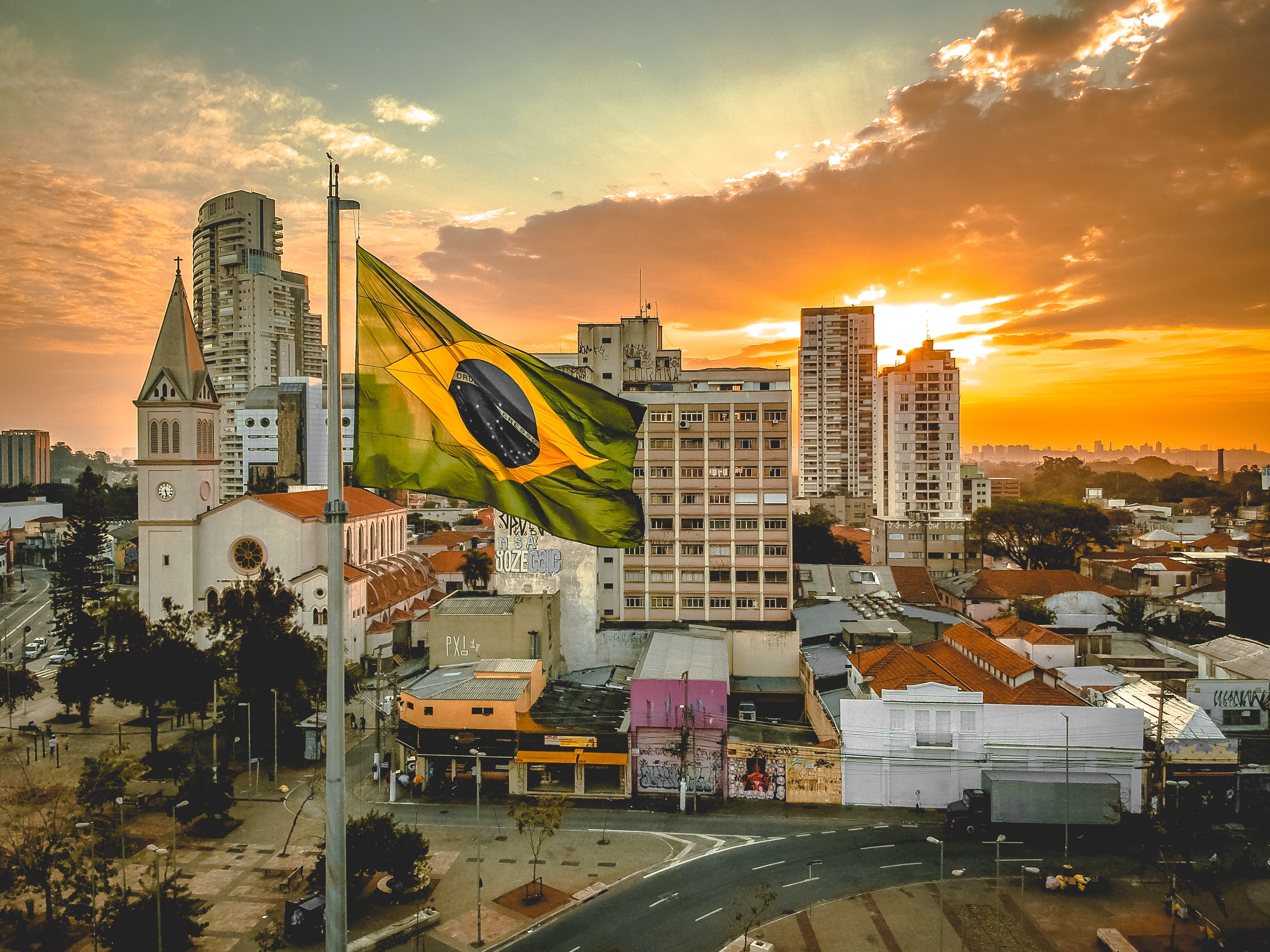
Brazil is also winning game in mining sector. It is the world’s second exporter of iron ore, the largest producer of precious stones and has fourth largest car market. As an emerging industrialized country. major industries in Brazil consist of automobiles, steel, petrochemicals, computers, aircraft and consumer goods. The industry sector contributes to 30.8% of GDP and exports large quantity of industrialized products. Brazil is also the second largest exporter of processed food.
When it comes to energy demand, Brazil is the world’s tenth largest energy consumer. The country has world’s largest hydroelectric plant “Itaipu Dam” by energy generation. Oil discoveries in the country has also opened the door for oil production. In addition, the tourism sector is also on the rise in Brazil. Hosting the World Cup and Olympics in the last decade massively enhanced the reputation of the country as an exotic travel destination
However, as one of the major emerging economies and part of BRICS, (Brazil, Russia, India, China and South Africa) it also faced financial crises during 2008-12 as a result of global financial crisis. The economy moved to recession in 2015 following recording continuous decline in GDP. Nevertheless, the country came to moderate growth in 2017.
In terms of the impact of the pandemic on the country, the Brazilian economy contracted for the second time in the year 2020. The spread of COVID-19 slowed down consumer spending and business investment. Real GDP fell by 9.7%. The domestic demand declined by 12.7%, while social distancing measures also affected labor market. Private consumption contracted by 13.4%. Business investment and imports declined by nearly 15% each, while only agriculture expended by 0.4%. According to Carlos Kawall, director at ASA Bank, it isa horrible period for the economy. But the economists are expecting growth in the other half of the year. The ministry is expecting slow recovery in the services and industrial sector.
Donate & Support